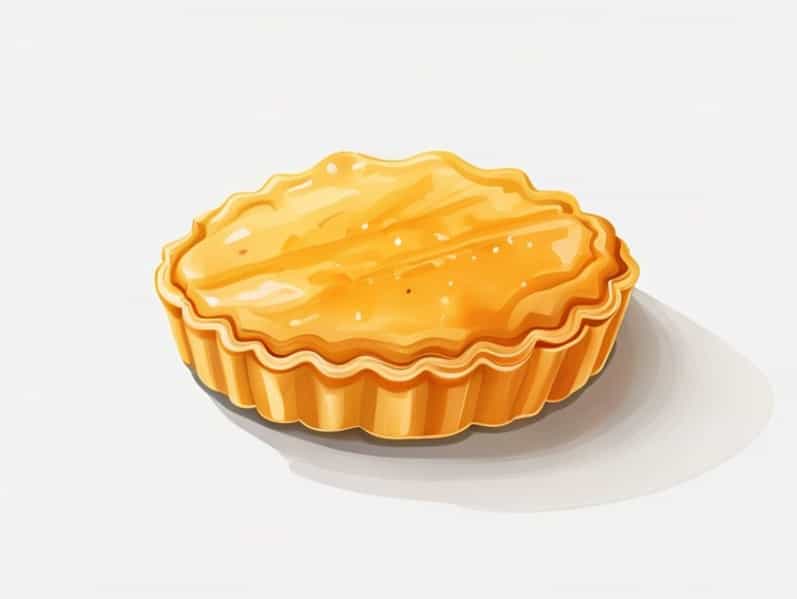
Shortcrust pastry is a fundamental component in baking that is widely appreciated for its versatility, simplicity, and delicious texture. It is a type of pastry known for its crumbly, tender, and buttery qualities, making it an ideal choice for both sweet and savory dishes. Unlike puff pastry or filo, shortcrust pastry does not rely on multiple layers or extensive folding but achieves its delicate texture through the careful balance of fat and flour. Understanding the characteristics, ingredients, and methods of preparation of shortcrust pastry can enhance any baker’s ability to create pies, tarts, quiches, and other baked delights with confidence and consistency.
Definition and Key Characteristics
Shortcrust pastry is a type of pastry that is made by combining flour, fat, and a small amount of water or liquid to form a dough. The term short refers to the high fat content in the dough, which inhibits the formation of gluten strands in the flour. This results in a tender, crumbly texture that is firm enough to hold fillings yet soft and flaky when baked. It is distinct from other pastries because it is not designed to rise significantly or puff up; instead, it serves as a stable, buttery base for a wide variety of dishes.
Texture and Consistency
The texture of shortcrust pastry is one of its most defining features. When baked properly, it should be crisp on the outside while remaining tender inside. The dough should be smooth, pliable, and easy to roll out, but it must not be overworked. Overworking the dough can cause it to become tough because it encourages gluten development, which is precisely what the shortcrust method seeks to avoid. The balance of fat and flour ensures a melt-in-the-mouth consistency that enhances the overall eating experience.
Ingredients of Shortcrust Pastry
The basic ingredients for shortcrust pastry are simple but require careful handling to achieve the perfect result. Understanding each ingredient and its role is crucial.
Flour
All-purpose flour is most commonly used in shortcrust pastry because it provides a moderate amount of gluten. This is sufficient to hold the dough together without making it overly chewy. Some bakers may use pastry flour, which has a lower protein content, to achieve an even more delicate and tender texture.
Fat
Butter is the preferred fat for shortcrust pastry because it adds flavor and contributes to the desirable crumbly texture. Shortening or lard can also be used, either alone or in combination with butter, to increase flakiness and stability. The fat should be cold when incorporated into the flour to prevent it from melting too early, which can alter the dough’s structure.
Liquid
A small amount of cold water or another liquid, such as milk or egg yolk, is added to bring the dough together. The liquid must be minimal to prevent the dough from becoming sticky or tough. The goal is just enough to allow the dough to hold together without developing too much gluten.
Optional Ingredients
Depending on the recipe, bakers may add a pinch of salt to enhance flavor or sugar for sweet applications. Egg yolks can also be incorporated for added richness and a golden color.
Methods of Preparation
Preparing shortcrust pastry requires attention to temperature, technique, and timing. The general process involves combining the fat with flour, creating a crumb-like texture, and then adding liquid gradually until a dough forms.
Rubbing-in Method
This is the most traditional method for making shortcrust pastry. Cold fat is rubbed into the flour using fingers until the mixture resembles fine breadcrumbs. This process coats the flour with fat, minimizing gluten development and resulting in a tender pastry. Liquid is then added gradually to bring the dough together.
Food Processor Method
For convenience, a food processor can be used to pulse flour and fat together until crumbly, then water is added slowly to form a cohesive dough. This method is quicker but requires careful attention to prevent over-processing.
Rolling and Chilling
Once the dough is formed, it is gently kneaded just enough to combine ingredients, then wrapped in plastic and chilled. Chilling allows the fat to firm up, which helps prevent shrinking during baking and makes the dough easier to roll out. Rolling should be done lightly on a floured surface to the desired thickness, avoiding overhandling.
Uses of Shortcrust Pastry
Shortcrust pastry is versatile and serves as the foundation for many dishes in both sweet and savory cuisine.
Sweet Applications
- Tarts and PiesShortcrust pastry is ideal for fruit tarts, custard pies, and chocolate tarts.
- Cookies and BiscuitsVariations of shortcrust can be used to make buttery cookies or biscuit bases.
- Quiches with Sweet FillingsAlthough traditionally savory, sweet quiches can also utilize shortcrust pastry for a delicate base.
Savory Applications
- Quiches and PiesShortcrust pastry forms the base and top layer for quiches, meat pies, and vegetable tarts.
- Pot PiesIt provides a rich, tender crust that complements hearty fillings like chicken or beef.
- AppetizersMini tarts or tartlets for savory hors d’oeuvres often use shortcrust pastry for a firm, buttery shell.
Tips for Perfect Shortcrust Pastry
- Always use cold ingredients to prevent fat from melting prematurely.
- Do not overwork the dough to avoid developing gluten and creating a tough texture.
- Chill the dough before rolling out to ensure ease of handling and prevent shrinkage.
- Use a light touch when rolling out, and flour the surface minimally to prevent sticking.
- Blind baking (pre-baking without filling) may be necessary for wet fillings to keep the pastry crisp.
Shortcrust pastry is an essential skill for any baker due to its simplicity, versatility, and delicious results. Its characteristic crumbly and tender texture makes it suitable for both sweet and savory dishes, from pies and tarts to quiches and appetizers. Understanding the ingredients, methods of preparation, and practical tips ensures consistent success and allows bakers to experiment with flavors and fillings confidently. By mastering shortcrust pastry, anyone can create a wide range of baked goods that are both visually appealing and delicious, making it a cornerstone of traditional and modern baking alike.