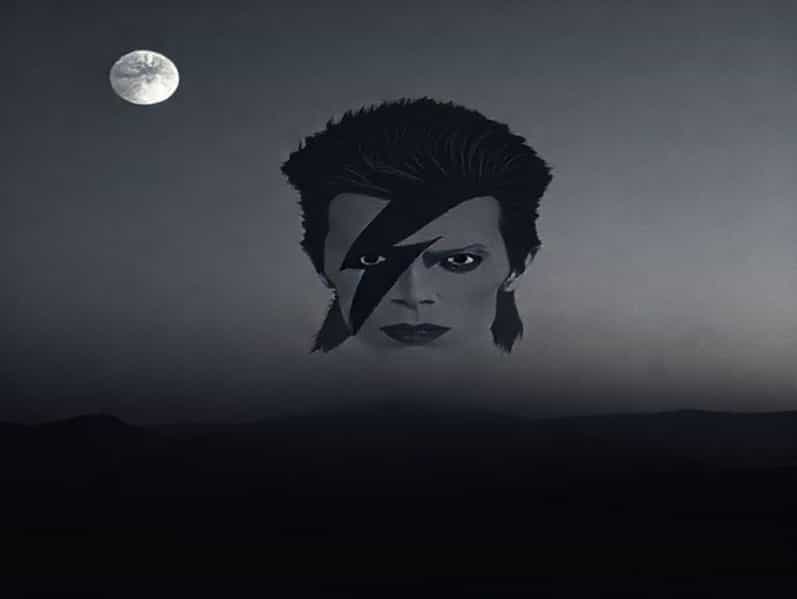
Moonage Daydream is one of David Bowie’s most iconic songs, showcasing his unique ability to blend rock, glam, and experimental music into a single, unforgettable experience. Released as part of his 1972 album The Rise and Fall of Ziggy Stardust and the Spiders from Mars, the song captures the essence of Bowie’s alter ego, Ziggy Stardust, and his narrative of a futuristic rock star. The track has been celebrated for its powerful lyrics, innovative instrumentation, and Bowie’s theatrical vocal delivery, making it a standout piece in his extensive catalog of music.
Background and Inspiration
David Bowie was known for his creative storytelling and alter egos, and Moonage Daydream is a prime example of this approach. The song was written during a period when Bowie was exploring themes of fame, alienation, and identity. Inspired by science fiction and the glam rock movement of the early 1970s, Bowie created Ziggy Stardust as a character that embodied both androgyny and otherworldly charisma. Moonage Daydream serves as an introduction to this character, setting the tone for the album and Bowie’s artistic vision during this era.
Lyrics and Themes
The lyrics of Moonage Daydream are both surreal and evocative, reflecting Bowie’s fascination with space, alien life, and unconventional love. Phrases like I’m an alligator, I’m a mama-papa coming for you illustrate his playful yet provocative lyrical style, merging imagery of transformation with a sense of urgency and desire. Themes of exploration, rebellion, and otherworldliness run throughout the song, reinforcing the narrative of Ziggy Stardust as a rock star from another planet who challenges societal norms.
Musical Composition
The musical arrangement of Moonage Daydream combines rock riffs, driving rhythms, and layered instrumentation to create a dynamic and engaging listening experience. The song features contributions from Bowie’s backing band, The Spiders from Mars, including guitarist Mick Ronson, whose guitar work adds both texture and intensity. Bowie’s vocals range from whispery introspection to powerful declarations, reflecting the song’s dramatic and theatrical nature. The song’s structure, with its shifting tempos and climactic sections, mirrors the unpredictability and energy of Bowie’s performance style.
Instrumentation and Arrangement
- Electric guitar riffs that define the glam rock sound
- Dynamic drumming and bass lines that drive the rhythm
- Keyboard and synthesizer layers adding atmospheric depth
- Vocal harmonies that enhance the theatrical feel of the song
- Careful production techniques to balance chaos and clarity in the track
Impact and Reception
Moonage Daydream received critical acclaim upon the release of the Ziggy Stardust album, and it has remained a fan favorite for decades. Critics praised Bowie’s imaginative lyrics, the band’s tight performance, and the song’s ability to encapsulate the glam rock ethos. The track helped solidify Bowie’s reputation as a groundbreaking artist who could merge music, fashion, and performance art into a cohesive whole. Over time, Moonage Daydream has been covered by various artists, performed in live concerts, and referenced in popular culture, demonstrating its lasting influence.
Live Performances
David Bowie frequently included Moonage Daydream in his live performances, often using the song as a showcase for his theatrical stage presence. Live renditions emphasized the song’s dramatic elements, with extended solos, audience interaction, and visual effects that enhanced the otherworldly experience of Ziggy Stardust. Fans consider these performances legendary, and recordings of the live shows capture the energy and charisma that Bowie brought to the stage, further cementing the song’s legacy.
Legacy and Influence
The legacy of Moonage Daydream extends beyond its initial release. The song influenced subsequent generations of musicians, particularly in the glam rock and alternative rock genres. Artists cite Bowie’s fearless experimentation with sound, character, and storytelling as an inspiration for their own creative work. Additionally, the song’s inclusion in various media, documentaries, and tribute albums has kept it relevant for new audiences discovering Bowie’s catalog.
Tributes and Cultural Significance
- Featured in films and documentaries highlighting Bowie’s career
- Covered by artists across different genres, showcasing its versatility
- Referenced in fashion and pop culture as an emblem of glam rock style
- Used in music education to illustrate innovative song structure and lyrical creativity
- Celebrated in live tribute concerts, maintaining its cultural presence
Connection to the Ziggy Stardust Album
Moonage Daydream is integral to the narrative of The Rise and Fall of Ziggy Stardust and the Spiders from Mars. It introduces listeners to Ziggy Stardust, setting up the album’s overarching story of fame, alienation, and cosmic adventure. The track’s energy and dramatic flair serve as an opening statement that prepares the audience for the character’s journey, making it a cornerstone of the album’s concept. Its placement and tone help guide listeners through the story, reinforcing the cohesion and impact of Bowie’s work.
Musical and Cultural Context
The early 1970s were a period of experimentation in rock music, with artists exploring new sounds, identities, and performance styles. Bowie’s Moonage Daydream exemplifies this era, blending theatricality, storytelling, and innovative musical techniques. By challenging conventional song structures and lyrical expectations, Bowie contributed to the evolution of rock music and expanded the possibilities for what a pop star could represent. The song remains a testament to his artistic vision and cultural significance.
Moonage Daydream stands as a defining track in David Bowie’s career, encapsulating his creativity, theatricality, and musical innovation. The song’s blend of glam rock energy, imaginative lyrics, and dynamic performance has left an enduring mark on music history. Its connection to the Ziggy Stardust persona, combined with its impact on audiences and influence on subsequent artists, makes it an essential piece of Bowie’s legacy. Decades after its release, Moonage Daydream continues to resonate, reminding listeners of Bowie’s ability to transform music into a multidimensional art form that transcends time and genre.