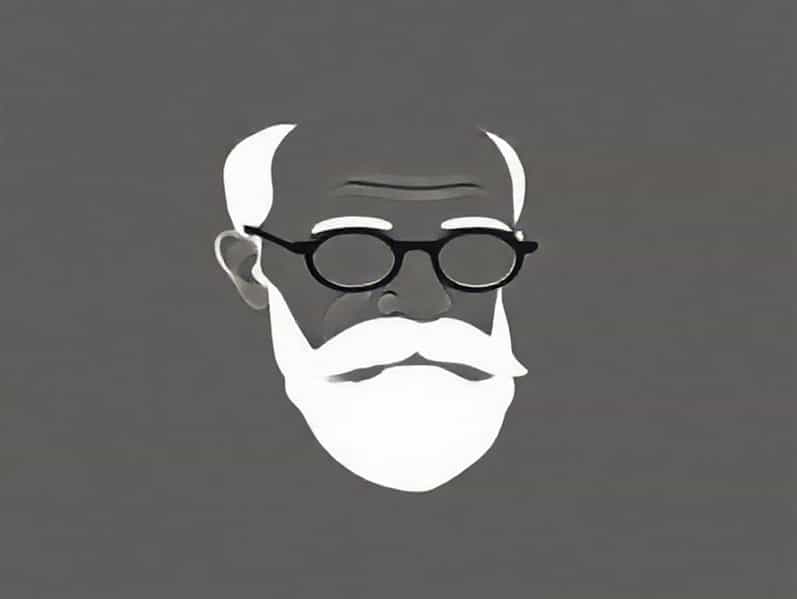
Sigmund Freud, often regarded as the father of psychoanalysis, made groundbreaking contributions to the field of psychology that continue to influence our understanding of the human mind. His work explored the complex relationship between conscious and unconscious processes, human behavior, and personality development. Freud’s theories challenged traditional approaches to mental health and introduced innovative techniques such as talk therapy, dream analysis, and free association. His contributions extend beyond psychology into literature, art, and culture, shaping modern perspectives on human motivation, emotion, and interpersonal relationships. Understanding Freud’s legacy is essential for appreciating the evolution of mental health practices and the ongoing relevance of psychoanalytic theory.
Foundations of Psychoanalysis
Sigmund Freud’s most notable contribution is the development of psychoanalysis, a therapeutic approach that emphasizes the importance of the unconscious mind. Freud proposed that many psychological problems stem from unresolved unconscious conflicts, often rooted in childhood experiences. He introduced techniques to bring these conflicts into conscious awareness, allowing individuals to confront and resolve them.
The Unconscious Mind
Freud divided the human mind into three levels conscious, preconscious, and unconscious. The conscious mind contains thoughts and perceptions currently in awareness, while the preconscious holds memories and knowledge that can be accessed with effort. The unconscious, however, houses repressed desires, fears, and traumatic memories that influence behavior without the individual’s awareness. This concept revolutionized psychology by highlighting the unseen forces shaping human thought and behavior.
Structure of Personality
Freud introduced the structural model of personality, which consists of three components
- IdThe primal part of the mind driven by instinctual desires and pleasure-seeking impulses.
- EgoThe rational part that mediates between the id, the superego, and reality.
- SuperegoThe moral conscience that internalizes societal rules and ideals.
This framework provided a way to understand internal conflicts and the dynamic interactions influencing human behavior, forming the basis for many subsequent psychological theories.
Psychosexual Development
Freud’s theory of psychosexual development is another major contribution. He suggested that personality development occurs in stages, each associated with a particular erogenous zone
Oral Stage
From birth to about 18 months, the mouth is the primary source of pleasure. Experiences during this stage influence traits such as dependency and optimism.
Anal Stage
Between 18 months and 3 years, children gain pleasure from controlling bowel movements. The manner in which parents handle toilet training can shape traits like orderliness or messiness.
Phallic Stage
From ages 3 to 6, the focus shifts to the genital region. Freud introduced the Oedipus and Electra complexes, explaining how children develop sexual identity and navigate familial relationships.
Latency Stage
From ages 6 to puberty, sexual impulses are suppressed, and children focus on social, educational, and skill-building activities. This stage consolidates previous development and allows learning of societal norms.
Genital Stage
Beginning at puberty, sexual maturity is reached, and individuals develop the capacity for intimate relationships. Successful navigation of earlier stages leads to well-balanced adulthood.
Techniques and Methods Introduced by Freud
Freud’s methods for exploring the mind have had a lasting impact on psychotherapy and mental health treatment.
Free Association
Free association involves encouraging patients to speak freely about their thoughts, feelings, and memories without censorship. This technique aims to uncover unconscious material that contributes to psychological distress.
Dream Analysis
Freud considered dreams as the royal road to the unconscious. By interpreting dream content, he believed therapists could access hidden desires and unresolved conflicts, offering insights into mental functioning.
Defense Mechanisms
Freud identified defense mechanisms as unconscious strategies used by the ego to protect the individual from anxiety or distress. Common defense mechanisms include repression, denial, projection, and rationalization. Understanding these mechanisms helps explain seemingly irrational behaviors and emotional responses.
Impact on Psychology and Beyond
Freud’s contributions have influenced not only clinical psychology but also broader cultural, literary, and social understanding of human behavior.
Influence on Modern Psychotherapy
Many contemporary therapies, including psychodynamic therapy, cognitive-behavioral approaches, and humanistic therapy, have roots in Freudian concepts. His emphasis on the unconscious, early life experiences, and the therapeutic relationship remains foundational in treating mental health disorders.
Contribution to Literature and Art
Freudian concepts such as the Oedipus complex, repression, and the unconscious have inspired writers, artists, and filmmakers. Themes of hidden desires, internal conflict, and identity exploration are frequently explored using Freud’s theories as a lens.
Criticism and Controversy
Despite his significant influence, Freud’s work has faced criticism. Some argue that his theories are difficult to test scientifically and rely heavily on subjective interpretation. Others question the universality of psychosexual stages and the emphasis on sexual drives. Nevertheless, Freud’s ideas continue to provoke discussion and research, contributing to the evolution of psychology.
Freud’s Legacy
Sigmund Freud’s legacy is profound and enduring. He introduced a systematic approach to understanding the human mind, emphasizing the role of unconscious processes and early experiences in shaping personality and behavior. His work laid the groundwork for psychoanalysis and inspired countless researchers, therapists, and scholars to explore mental health and human motivation more deeply. While some aspects of his theories have been revised or challenged, Freud’s contributions remain central to the history and development of psychology.
Key Contributions Summary
- Founded psychoanalysis as a therapeutic and theoretical framework.
- Developed the structural model of personality id, ego, and superego.
- Introduced the concept of the unconscious mind and its influence on behavior.
- Proposed psychosexual stages of development that shape personality.
- Developed techniques such as free association, dream analysis, and interpretation of defense mechanisms.
- Influenced modern psychotherapy, literature, art, and cultural understanding of human behavior.
The contribution of Sigmund Freud to psychology is unparalleled. Through his pioneering exploration of the unconscious, the development of psychoanalytic theory, and the introduction of innovative therapeutic techniques, Freud transformed our understanding of human behavior and mental health. His concepts of personality structure, psychosexual development, and defense mechanisms continue to provide valuable insights into human nature. Despite facing criticism and ongoing debate, Freud’s work has left a lasting impact on both scientific and cultural thought, making him one of the most influential figures in the history of psychology. Recognizing Freud’s contributions allows us to appreciate the depth of human complexity and the continued importance of studying the mind in both clinical and academic contexts.