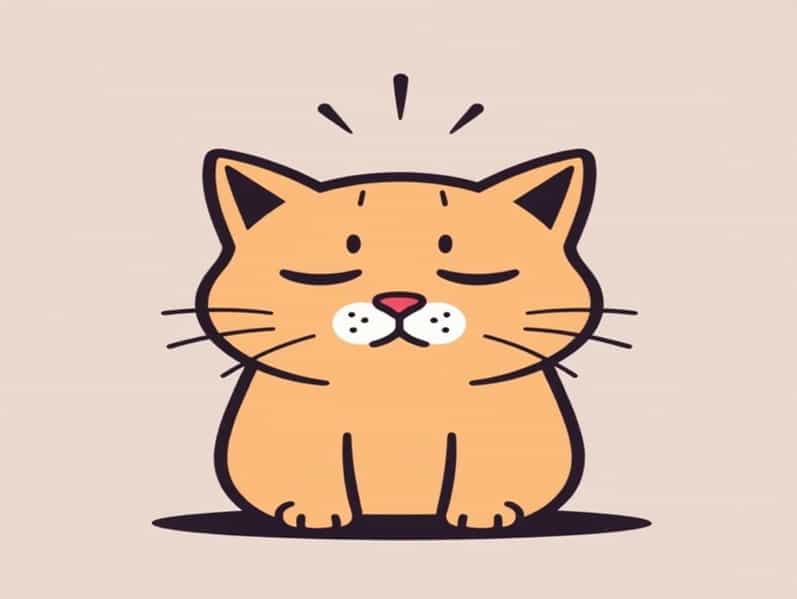
Many cat owners have experienced moments when their pets behave in ways that seem almost human, especially when something awkward happens. A cat slips during a jump, falls off a couch, or gets caught doing something silly and suddenly it pauses, looks around, and walks away with unusual composure. These moments raise a common question can cats feel embarrassed? While the idea sounds amusing, it also opens the door to understanding feline emotions, social behavior, and how cats interpret the world around them. Exploring this topic helps us see our pets not just as instinct-driven animals but as companions with complex reactions that resemble embarrassment.
What Embarrassment Means in Human Terms
Before exploring whether cats feel embarrassed, it is helpful to understand what embarrassment represents in humans. Embarrassment is a social emotion that emerges when a person believes they have violated a norm, made a mistake, or been observed in an unflattering moment. It involves self-awareness, social expectations, and a sense of how others perceive us. Humans react with blushing, nervous laughter, or avoidance.
To determine whether cats feel embarrassed, we must consider how similar or different their emotional systems are compared to humans. Cats are social in their own unique ways, but their sense of self-awareness and social norms works very differently.
Do Cats Have the Capacity for Embarrassment?
Scientists generally agree that cats experience basic emotions such as fear, pleasure, frustration, and affection. More complex emotions like guilt, shame, or embarrassment require a level of self-awareness that is not yet proven in cats. However, the absence of scientific confirmation does not mean cats lack emotional depth entirely. Much of what they feel is communicated through body language, vocalization, and behavior patterns that owners often interpret through a human lens.
Emotional Complexity in Cats
Cats show a broad range of emotional responses even if those emotions do not map perfectly onto human experiences. They can anticipate events, recognize people, form attachments, and display stress when routines change. While these reactions do not confirm embarrassment, they show that felines have the foundations for nuanced emotional states.
Self-Awareness and Observational Behavior
Self-awareness plays a major role in embarrassment. Some animals, such as great apes and dolphins, demonstrate self-recognition using mirror tests. Cats, however, typically do not recognize their reflections as themselves, suggesting they may lack certain forms of self-awareness. But cats do display a type of situational awareness they know when they are being watched and often change their behavior in response.
Behaviors That Look Like Embarrassment
Cat owners often report seeing reactions that appear embarrassed. While these behaviors may not stem from embarrassment in the human sense, they do indicate emotional responses to unexpected or awkward moments.
-
The Play It Cool WalkAfter missing a jump or slipping, a cat might casually groom itself or walk away as if nothing happened. This can resemble an attempt to regain dignity.
-
Avoiding Eye ContactSome cats briefly look away after an awkward moment, similar to how humans avoid others when embarrassed.
-
Sudden GroomingGrooming can be a calming behavior, used to reduce stress or confusion after something unexpected occurs.
-
Hiding TemporarilyA cat may walk out of the room after a mishap, which owners often interpret as embarrassment, though it may simply be heightened alertness or frustration.
These types of reactions help explain why so many people believe cats feel embarrassed. Whether or not the emotion aligns perfectly with human embarrassment, the behaviors certainly suggest emotional sensitivity.
Why Cats React to Awkward Moments
Understanding why cats exhibit embarrassment-like behaviors requires reviewing their natural instincts and social characteristics. Cats are predators but also prey animals, meaning they rely on agility, balance, and confidence for survival. A misstep or failed jump disrupts that natural grace, triggering instinctive responses.
Instinctive Protection of Dignity
A cat’s typical graceful movement is part of its survival identity. When that grace falters, the cat may show subtle defensive behaviors. These might not be embarrassment as humans know it, but they do indicate discomfort with being observed in a vulnerable position.
Stress and Startle Response
Sometimes what looks like embarrassment is simply a stress reaction. A sudden slip or noise can trigger a heightened state of alertness. The cool walk or short grooming session may be a way to release tension.
Social Awareness Around Humans
Cats observe human reactions closely. If a person laughs or reacts with surprise, the cat may interpret the energy shift and respond with cautious or avoidant behavior. This is not embarrassment but sensitivity to social cues.
Human Projection and Interpretation
A large part of the belief that cats feel embarrassed comes from anthropomorphism our tendency to project human emotions onto animals. Because we love our pets and live closely with them, it is natural to interpret their actions in human terms. When a cat looks around after falling, owners might see that as embarrassment, even if the cat’s internal state is different.
However, it is important to recognize that just because a cat does not experience embarrassment exactly like humans, it does not mean the behavior is meaningless. Cats communicate through subtle signals, many of which map onto moments that humans interpret as awkward or funny.
Can Embarrassment-Like Behavior Affect Cat Behavior Long-Term?
Most of these reactions are momentary and do not impact a cat’s confidence for long. A cat that slips today will likely attempt the same jump again later without hesitation. The temporary grooming session or avoidance behavior is simply part of how cats reset mentally after a surprise.
Situations That May Cause Ongoing Sensitivity
While isolated awkward moments usually do not affect cats long-term, repeated negative experiences can lead to behavioral changes. Examples include
-
Fear of unstable surfaces
-
Reduced willingness to jump onto certain heights
-
Avoidance of areas where mishaps occurred
-
Stress-related grooming behaviors
These changes are more related to fear or discomfort rather than embarrassment, but they illustrate how emotional responses shape feline behavior.
How Owners Can Respond
If a cat appears startled or awkward, the best approach is calm reassurance. Loud reactions can increase stress. Instead, giving the cat space or maintaining a neutral tone helps them recover more easily.
Tips for Supportive Reactions
-
Stay calm and avoid making sudden movements.
-
Do not laugh loudly or rush toward the cat.
-
Provide a safe environment where the cat feels relaxed.
-
Offer gentle attention only if the cat seeks it.
These small steps help maintain trust, especially for cats that are naturally more sensitive or cautious.
While research suggests that cats may not experience embarrassment in the same way humans do, their behaviors often mimic what we interpret as embarrassed reactions. Cats feel surprise, frustration, and discomfort, and these emotions can create moments that look surprisingly human. Whether it is a slip, a failed jump, or a clumsy accident, a cat’s subtle responses reflect both instinct and emotional sensitivity. Understanding these reactions helps strengthen the bond between cats and their owners, allowing us to appreciate the unique ways our feline companions express themselves.