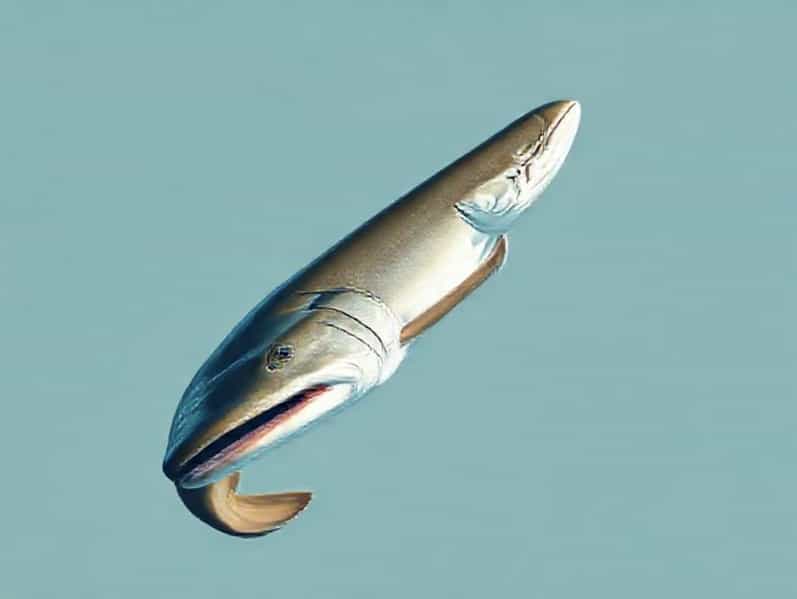
Sturgeons are among the largest and most ancient fish species in the world, admired for their size, longevity, and historical significance in both commercial fishing and sport angling. These majestic creatures can grow to extraordinary lengths, with some individuals weighing several hundred kilograms. The pursuit and capture of the biggest sturgeon ever caught has fascinated anglers and scientists alike, drawing attention to both the physical capabilities of these fish and the challenges of conservation. Understanding the records, locations, and characteristics of giant sturgeons provides insight into their biology and the remarkable nature of these freshwater giants.
Introduction to Sturgeon Species
Sturgeons are part of the Acipenseridae family and are primarily found in rivers, lakes, and coastal areas across Europe, Asia, and North America. Known for their bony scutes, elongated bodies, and distinctive snouts, sturgeons have existed for over 200 million years, making them living fossils. They are anadromous, often migrating from freshwater to saltwater to spawn, and are highly valued for their roe, which is processed into caviar. While several species exist, the largest individuals are usually from the beluga sturgeon (Huso huso) or the Atlantic sturgeon (Acipenser oxyrinchus).
Size and Growth Characteristics
Sturgeons grow slowly and can live for decades, allowing some individuals to reach immense sizes. Adult beluga sturgeons can exceed 6 meters in length and weigh more than 1,500 kilograms, although most caught specimens are smaller. Their longevity and slow reproductive rates make them particularly vulnerable to overfishing. The size of a sturgeon is influenced by genetics, habitat quality, and food availability, with river systems like the Volga, Danube, and certain North American rivers providing ideal conditions for the largest growth.
The Biggest Sturgeon Ever Caught
Records of the biggest sturgeon ever caught vary depending on the species and the method of measurement. Among the most famous is the beluga sturgeon caught in the Caspian Sea, which holds the Guinness World Record. This massive specimen reportedly weighed over 1,500 kilograms and stretched more than 7 meters in length. Such a catch is extraordinary and demonstrates the enormous potential size of these ancient fish. The capture of giant sturgeons often involves specialized techniques, including heavy-duty fishing gear and large teams, due to the fish’s strength and size.
Historic Catches
Over the years, several notable sturgeon catches have been documented
- In 1827, a beluga sturgeon weighing approximately 1,571 kilograms was reportedly caught in Russia, making it one of the largest documented specimens in history.
- In the early 20th century, Atlantic sturgeons measuring over 4 meters and weighing several hundred kilograms were caught along the eastern coasts of the United States and Canada.
- Modern sport fishing records often feature sturgeons exceeding 200 kilograms, though these pale in comparison to historical giants.
Locations of Giant Sturgeons
The largest sturgeons are primarily found in the Caspian Sea, Black Sea, and certain North American rivers. The Volga River in Russia is particularly famous for producing enormous beluga sturgeons. Similarly, the Danube River in Europe has historically yielded large specimens. In North America, the Hudson River and certain rivers along the Atlantic coast are known for large Atlantic sturgeons. These areas provide abundant food sources, suitable water temperatures, and long migratory paths that contribute to the growth of massive individuals.
Fishing Techniques for Large Sturgeons
Capturing a giant sturgeon is a complex endeavor. Anglers typically use
- Heavy-duty rods and reels capable of withstanding extreme pressure
- Strong, thick lines and large hooks to secure the fish
- Bait such as live fish, worms, or specially prepared sturgeon lures
- Teams to assist in safely landing the fish, often using boats and nets
Even with modern equipment, landing a sturgeon of record-breaking size can take hours due to the fish’s immense strength and stamina. Proper handling is essential to avoid injury to both the fish and the angler, especially in conservation-minded catch-and-release efforts.
Conservation and Ethical Considerations
Many sturgeon species are critically endangered due to overfishing, habitat loss, and pollution. The demand for caviar has historically driven the exploitation of beluga and other sturgeon species. Today, strict regulations, fishing quotas, and conservation programs aim to protect these ancient fish. Catch-and-release practices are encouraged among sport fishermen, particularly for exceptionally large sturgeons, to preserve their populations for future generations. The capture of the biggest sturgeon ever caught, while impressive, also underscores the need for responsible stewardship of these magnificent creatures.
Sturgeon Aquaculture
To reduce pressure on wild populations, sturgeon farming has become increasingly common. Aquaculture programs focus on breeding sturgeons in controlled environments, producing both meat and caviar without depleting natural stocks. While farmed sturgeons do not reach the extraordinary sizes of wild giants, these programs contribute to conservation and provide valuable insight into the biology and growth patterns of these species.
Legacy of Record-Breaking Sturgeons
The stories of the largest sturgeons ever caught have inspired awe and respect for these remarkable animals. They highlight the unique combination of size, strength, and ancient lineage that makes sturgeons so fascinating. Anglers and researchers alike continue to study these specimens to learn more about their life cycles, migratory habits, and ecological significance. Each record-breaking catch also serves as a reminder of the delicate balance between human ambition and the preservation of natural wonders.
Scientific Importance
Giant sturgeons offer critical information for scientists studying fish growth, longevity, and evolutionary biology. Their age, determined through methods like scale and otolith analysis, can exceed a century, making them important indicators of ecosystem health. Studying the largest specimens helps researchers understand environmental factors that support exceptional growth, as well as the challenges these fish face from human activity.
The biggest sturgeon ever caught represents both a marvel of nature and a symbol of the challenges facing aquatic ecosystems today. These ancient fish, capable of extraordinary size and strength, inspire fascination among anglers, researchers, and conservationists. Understanding the history, locations, and characteristics of record-breaking sturgeons highlights the importance of preserving their habitats and protecting their populations. By celebrating these remarkable creatures while promoting ethical fishing practices and conservation efforts, humans can ensure that sturgeons continue to thrive and awe future generations with their prodigious presence in rivers and seas around the world.