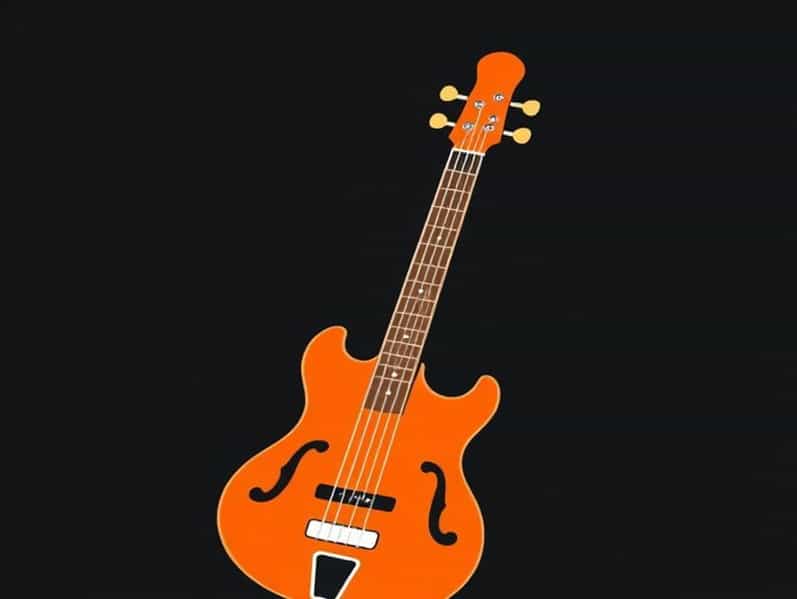
The bass guitar has long been a cornerstone of modern music, providing rhythm, depth, and groove to countless songs across genres. Traditionally, bass guitars are designed to emphasize low-end tones, supporting both harmonic structure and rhythmic drive. However, some innovative bassists experiment with extended techniques to expand their instrument’s expressive capabilities. One such innovation is using a whammy bar on a bass guitar. While more commonly associated with electric guitars, a whammy bar, also called a tremolo arm, allows the musician to manipulate pitch in unique ways, adding a dynamic and sometimes dramatic effect to bass playing. This topic explores the bass with a whammy bar, its applications, techniques, and impact on modern music.
Understanding the Whammy Bar
A whammy bar is a lever attached to the bridge of an electric guitar or bass that changes the tension of the strings. By pushing or pulling the bar, players can bend the pitch of notes up or down, creating vibrato effects, dive bombs, and other expressive techniques. While its use on standard guitars is widespread, incorporating it into a bass guitar presents both challenges and creative opportunities. The lower string tension and thicker gauges of bass strings make achieving smooth pitch modulation more difficult, but with the right setup and technique, a whammy bar on a bass can produce stunning and unusual sounds.
Types of Bass Whammy Bar Setups
There are several ways to integrate a whammy bar into a bass guitar
- Floyd Rose BassSome manufacturers offer Floyd Rose-style locking tremolo systems specifically for bass guitars, providing stability and expressive pitch control.
- Bridge ModificationsStandard bridges can sometimes be modified to accommodate a tremolo arm, though this may require expert setup to maintain tuning stability.
- Specialty BassesCertain boutique basses come equipped with a built-in whammy system designed to handle thicker strings and lower frequencies.
Techniques for Using a Whammy Bar on Bass
Using a whammy bar on a bass requires adapting standard techniques to suit the instrument’s unique characteristics. Bassists can apply a variety of approaches to achieve expressive effects
Vibrato and Pitch Modulation
By subtly pushing or pulling the whammy bar, players can create gentle vibrato effects, adding warmth and emotion to sustained notes. This is particularly effective in slow ballads or melodic bass solos, where expressive pitch modulation enhances the musical phrasing.
Dive Bombs and Extreme Pitch Shifts
For more aggressive and experimental sounds, bassists can perform dive bombs by rapidly lowering the pitch with the whammy bar. While challenging due to string tension, these effects can create dramatic, almost guitar-like moments within a bass solo or breakdown. Careful attention to tuning stability is essential to prevent detuning during these extreme techniques.
Microtonal and Harmonic Effects
The whammy bar can also be used to explore microtonal variations and harmonic shifts. By subtly manipulating the bar while plucking harmonics, bass players can generate unique textures and tones, adding complexity to modern arrangements, ambient music, or progressive compositions.
Advantages of a Whammy Bar on Bass
Incorporating a whammy bar into a bass guitar setup offers several advantages for creative musicians
- Expanded Expressive RangeThe ability to manipulate pitch allows bassists to convey emotion and nuance beyond standard fretting techniques.
- Unique Sound DesignDive bombs, vibrato, and harmonic shifts create sounds rarely heard in traditional bass playing.
- Versatility Across GenresFrom rock and metal to experimental and electronic music, a whammy-equipped bass can adapt to multiple musical styles.
- Improved Soloing OptionsBass solos can become more dynamic and engaging with creative pitch manipulation.
Challenges and Considerations
Despite its benefits, using a whammy bar on a bass guitar comes with challenges
- Tuning StabilityThe thick strings of a bass can be harder to maintain in tune when using a tremolo system, especially during aggressive use.
- Setup ComplexityInstalling a whammy bar on a standard bass may require professional adjustments to the bridge, nut, and string tension.
- Technique AdaptationPlayers must learn to control pitch modulation effectively on low-frequency strings, which respond differently than guitar strings.
- CostSpecialty whammy-equipped basses or modifications can be more expensive than standard models.
Famous Bassists Using Whammy Techniques
Some bassists have experimented with whammy bars and tremolo systems to push the boundaries of bass playing. While not as common as on electric guitars, these musicians demonstrate the creative potential
- Progressive rock and metal bassists often incorporate pitch-shifting techniques for solos and effects.
- Experimental and avant-garde musicians use whammy-equipped basses to create atmospheric textures and unconventional sounds.
- Some session players employ subtle vibrato using a whammy bar to add color to recordings.
Maintenance and Setup Tips
For bassists interested in using a whammy bar, proper setup and maintenance are crucial
- Ensure the bridge is properly installed and compatible with the bass string gauges.
- Regularly check tuning stability and adjust spring tension as needed.
- Consider lighter gauge strings if extreme pitch modulation is required.
- Practice control techniques to avoid unintentional detuning or damage to the instrument.
- Consult professional luthiers for modifications or installations to achieve optimal performance.
The bass guitar with a whammy bar opens new horizons for creative expression, allowing musicians to explore pitch, vibrato, and harmonic effects that are rarely associated with low-end instruments. While it presents technical challenges, such as tuning stability and setup complexity, the rewards include a broader expressive range, unique sound design, and innovative musical possibilities. Whether in progressive rock, metal, experimental, or ambient music, the whammy-equipped bass provides players with a powerful tool to push the boundaries of traditional bass playing. By mastering techniques and maintaining a properly set up instrument, bassists can harness the full potential of the whammy bar, creating performances that are both technically impressive and emotionally compelling.