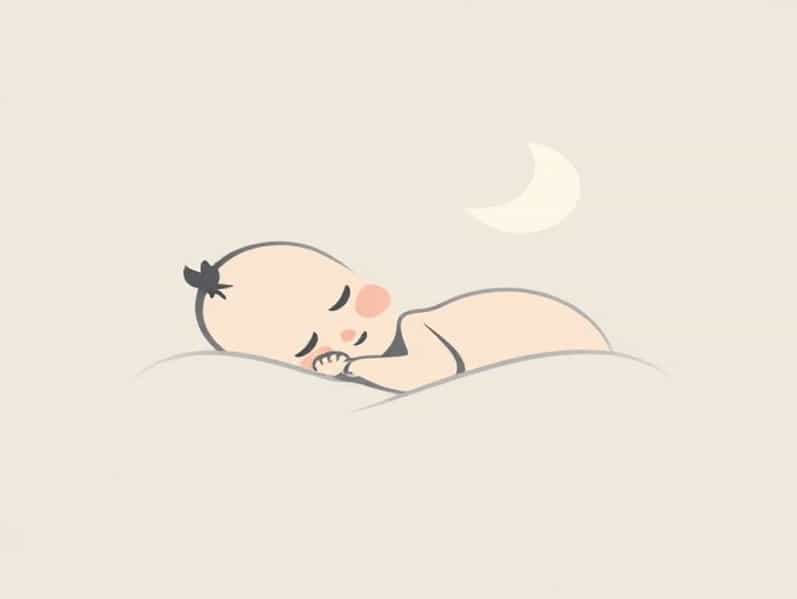
Many parents are fascinated when they see their baby smiling in sleep. This small moment can feel incredibly special, as if the baby is experiencing joy even before they are fully awake to the world. These sleep smiles often happen unexpectedly, making parents wonder what causes them and whether they have deeper meaning. While some might imagine babies dreaming of happy experiences, the reality is more connected to brain development and natural reflexes. Understanding why babies smile in their sleep can help parents appreciate these peaceful moments while also learning more about infant growth and emotional expression.
Why Do Babies Smile in Their Sleep?
Babies smiling during sleep is usually a natural part of their development. It is considered a reflex, especially in newborns and younger infants. The expression may look intentional, but in many cases, it is caused by the baby’s nervous system adjusting and developing.
Newborn sleep patterns are very different from adult sleep. Babies cycle quickly between sleep stages, including active sleep, also known as REM (Rapid Eye Movement) sleep. During this stage, their brains are processing sensations, sounds, and experiences even if they are not yet forming memories or dreams like older children and adults do.
Reflex Smiles Versus Social Smiles
It’s important to note that not all smiles are the same. Understanding the difference can help parents track development stages.
- Reflex SmilesThese occur in newborn sleep and happen automatically due to the maturation of the nervous system. They are not a response to external stimuli.
- Social SmilesThese begin around 6 to 8 weeks of age and happen when the baby responds to faces, voices, or familiar sounds.
When parents notice smiling in sleep during the early weeks, it is most likely a reflex rather than an emotional reaction.
Does a Baby Dream When Smiling in Sleep?
One of the most common questions parents ask is whether babies dream. Scientists generally believe that newborns do not dream in the way older children and adults do. Although babies spend a lot of time in REM sleep, the brain structures needed for dreaming take time to develop.
Instead of dreaming, babies are likely processing sensations, regulating brain activity, and forming neural connections. These processes can trigger facial movements such as twitching, smiling, or even small sounds during sleep.
As Babies Grow
As infants get older, their sleep patterns change. By the time they reach three to four months of age, they may start experiencing more structured sleep cycles. At this stage, smiling during sleep may relate more to memory and emotional development.
Although babies may not have complex dreams, they are beginning to form associations with comfort, familiarity, and bonding experiences. This could contribute to more intentional smiles during light sleep or when drifting in and out of slumber.
The Connection Between Sleep Smiles and Brain Development
A baby smiling in sleep is a sign of neurological growth. The brain is rapidly developing in the first year of life, forming millions of connections. Facial expressions during sleep, including smiles, are part of this process.
This is especially true when babies are absorbing new sensory information from their environment voices, touch, and visually engaging things around them.
Emotional Development
Even though reflex smiles occur before emotional expression, they lay the groundwork for later social interaction. Babies learn to express and respond to feelings through repeated patterns, including smiling and eye contact with caregivers.
Once social smiles develop, they become important communication tools. These smiles help strengthen bonds between babies and the people caring for them.
What Triggers a Sleep Smile?
While reflexes are the primary reason, several other factors could influence a baby smiling in sleep
- Comfort and relaxation
- Warmth and secure swaddling
- Hearing a familiar voice or sound while drifting into sleep
- Natural brain activity during REM sleep
These triggers are part of normal infant sleep and should not be a cause for concern.
Is It Normal for Babies to Smile in Their Sleep?
Yes, it is completely normal. In fact, it is considered a healthy indicator that the nervous system is developing properly. Most babies will smile during sleep at some point, particularly in the first few months.
Parents may also notice other expressions like frowns, small jerks, or changes in breathing rhythm. These too are usually part of typical sleep behavior.
When to Seek Medical Advice
Although smiling in sleep is normal, parents should contact a healthcare provider if
- The baby seems distressed during sleep frequently
- Smiles occur alongside unusual muscle movements
- There are signs of breathing difficulty
These situations are uncommon, but awareness can help ensure the baby is safe and healthy.
The Emotional Meaning Behind the Smile
Even though early smiles are reflexive, they have emotional value for parents. Seeing a baby smiling in sleep can strengthen feelings of attachment and closeness. This is important because emotional connection plays a key role in infant well-being and development.
Parents naturally respond positively to smiles, which encourages warm interactions and nurturing behavior. This emotional exchange forms the foundation for secure bonding.
How Parents Can Support Their Baby’s Sleep and Happiness
Creating a comfortable and calming sleep environment can help babies rest more peacefully and may increase instances of smiling during lighter sleep stages.
Tips for a Relaxing Sleep Routine
- Maintain a regular sleep schedule
- Offer gentle rocking or soothing touch
- Keep the room quiet and dim
- Use soft lullabies or calming sounds
Consistency helps babies feel safe and secure, which promotes better sleep quality.
Seeing a baby smiling in sleep is a delightful and memorable moment for parents. While it might be tempting to imagine the baby dreaming of joyful experiences, the truth is that most sleep smiles are reflexive and part of natural brain development. As babies grow, their smiles become more intentional and emotionally meaningful, forming the basis of early communication and bonding. Understanding the reasons behind these sleep smiles allows parents to appreciate them even more deeply, recognizing them as gentle signs of healthy development and future social connection.