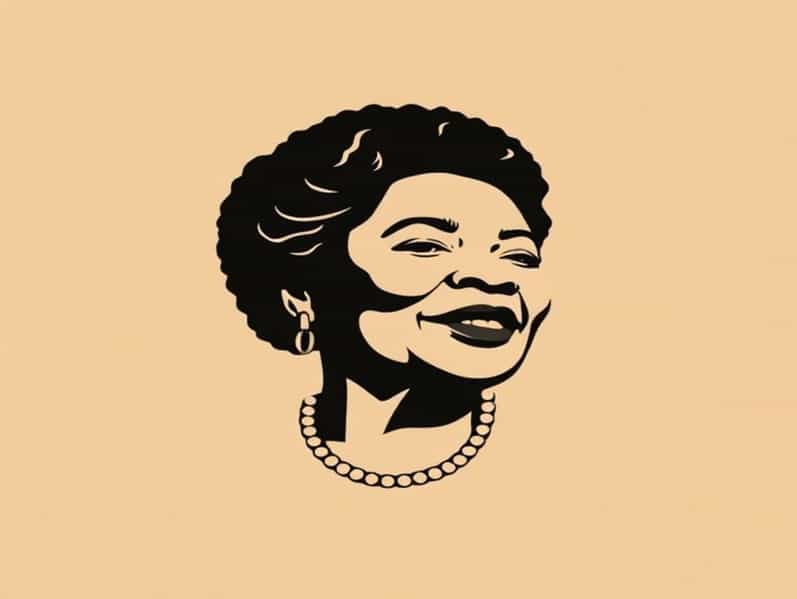
Maya Angelou, one of the most influential voices in American literature and culture, led a life filled with resilience, creativity, and activism. Her autobiography not only chronicles her personal journey but also reflects the broader struggles and triumphs of African Americans in the twentieth century. From a childhood marked by hardship to her emergence as a celebrated poet, singer, and civil rights activist, Angelou’s story inspires readers to embrace courage, self-expression, and the power of storytelling. Her life experiences, captured vividly in her autobiographical works, offer a profound insight into both the personal and social dimensions of identity, race, and art.
Early Life and Challenges
Maya Angelou, born Marguerite Annie Johnson in 1928 in St. Louis, Missouri, faced numerous challenges in her early life. After her parents’ divorce, she spent years moving between relatives, experiencing periods of instability and emotional hardship. She endured trauma, including sexual abuse, which left deep emotional scars. Despite these difficulties, Angelou discovered a love for literature and performance at an early age, which would become central to her later achievements. Her early experiences shaped her perspective on life, resilience, and the importance of self-expression, themes that permeate her autobiographical writings.
Discovery of Talent and Artistic Journey
From a young age, Angelou exhibited remarkable artistic talent, particularly in dance, music, and performance. She pursued these passions despite societal barriers, eventually performing internationally as a singer, dancer, and actress. Her time abroad, including in Ghana and other parts of Africa, exposed her to global cultures and political movements, influencing her perspective on race, identity, and social justice. These experiences enriched her autobiographical narrative, providing a global context to her personal journey and connecting her individual story to broader cultural and historical currents.
Writing Career and First Autobiography
Maya Angelou’s literary career reached its pinnacle with the publication of her first autobiography,I Know Why the Caged Bird Sings, in 1969. This groundbreaking work recounts her childhood and early adulthood, detailing both her struggles and triumphs. The book addresses issues of racism, sexual abuse, identity, and personal growth, earning critical acclaim for its honesty, literary quality, and emotional depth. Angelou’s candid portrayal of her life resonated with readers worldwide, establishing her as a powerful voice in literature and civil rights advocacy.
The Significance of Autobiography
Angelou’s autobiographies go beyond personal storytelling; they reflect the social and political context of the times. Through her narrative, readers gain insight into the systemic racism and gender discrimination that shaped her experiences. Her writings emphasize resilience, dignity, and the transformative power of education and art. By sharing her story, Angelou offered both a personal testament and a collective narrative that many African Americans could relate to, highlighting the interconnectedness of individual and societal experiences.
Subsequent Autobiographical Works
Following the success of her first book, Maya Angelou wrote several more autobiographies, each focusing on different periods of her life. These include
- Gather Together in My Namedetailing her teenage years and early adulthood, exploring the challenges of independence and self-discovery.
- The Heart of a Womanrecounting her experiences as an activist, performer, and traveler, highlighting her involvement in the civil rights movement.
- All God’s Children Need Traveling Shoesreflecting on her time in Africa, particularly Ghana, and her search for identity and cultural roots.
- Wouldn’t Take Nothing for My Journey Nowoffering reflections on her spiritual growth, wisdom, and life lessons.
Each book adds layers to Angelou’s multifaceted life story, allowing readers to witness her growth, triumphs, and continuous quest for self-understanding and social impact. Her writing style, characterized by lyrical prose and vivid storytelling, makes her autobiographies both educational and deeply moving.
Impact on Literature and Culture
Maya Angelou’s autobiographical works have had a profound impact on literature, education, and culture. They are widely taught in schools and universities for their literary merit and historical significance. Her writing inspired generations to confront social injustices, embrace their identity, and value personal narrative as a tool for empowerment. Angelou’s unique voice, blending poetry, prose, and lived experience, elevated autobiography as a literary form and contributed to the broader discourse on race, gender, and human resilience.
Personal Philosophy and Legacy
Angelou’s life and autobiographies reflect her personal philosophy of courage, dignity, and the transformative power of self-expression. She consistently emphasized the importance of telling one’s story, confronting challenges, and advocating for justice. Her legacy extends beyond her literary achievements; she became a symbol of hope and resilience, inspiring readers, artists, and activists worldwide. Through her autobiographical works, Maya Angelou continues to teach lessons about perseverance, creativity, and the enduring human spirit.
Lessons from Maya Angelou’s Life
- Resilience in the face of adversity is a central theme in her life and writings.
- Self-expression through art, literature, and performance can be a powerful tool for personal and social change.
- Understanding and embracing one’s identity is crucial for personal growth and empowerment.
- Sharing personal stories can foster empathy, inspire others, and create cultural understanding.
- Activism and advocacy are integral to shaping a more just and equitable society.
The autobiography of Maya Angelou offers readers an intimate glimpse into a life defined by courage, creativity, and activism. Through her autobiographical series, she shares her personal journey while addressing broader social, cultural, and political issues. Angelou’s narrative teaches resilience, celebrates the power of self-expression, and highlights the importance of confronting injustice. Her autobiographies remain timeless sources of inspiration, showing how personal storytelling can illuminate both individual experiences and the universal struggles and triumphs of humanity. Maya Angelou’s life, captured through her words, continues to resonate, leaving a legacy that empowers, educates, and inspires readers around the world.