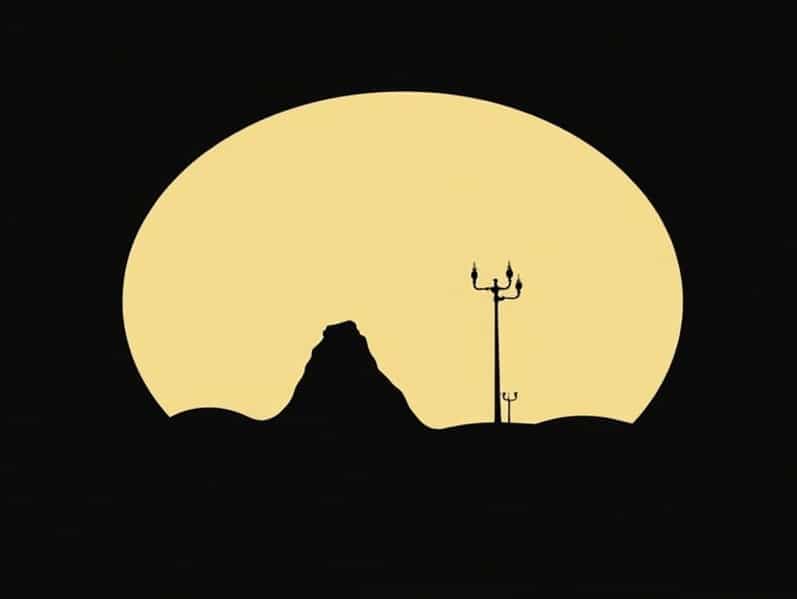
The art of Salvador Dalà stands as one of the most distinctive and influential bodies of work in 20th-century art. Known for his surrealist vision, Dalà created paintings, sculptures, and films that challenged conventional perceptions of reality, exploring the depths of dreams, imagination, and the subconscious mind. His work is celebrated not only for technical skill but also for its ability to provoke thought, evoke emotion, and inspire wonder. DalÒs artistry continues to captivate collectors, scholars, and casual art enthusiasts around the world, offering a glimpse into a mind that combined meticulous craftsmanship with audacious creativity.
Early Life and Influences
Salvador Dalà was born in 1904 in Figueres, Spain, and his upbringing played a significant role in shaping his artistic style. From a young age, he displayed an exceptional talent for drawing and an interest in exploring imaginative themes. Dalà was influenced by classical artists such as Diego Velázquez and Raphael, whose mastery of detail and composition can be seen in his own work. He also drew inspiration from modern movements like Cubism and Futurism, blending these influences with his emerging surrealist sensibilities.
Influence of Surrealism
Dalà became associated with the Surrealist movement in the late 1920s, joining a community of artists and writers who sought to explore the unconscious mind through visual art. Surrealism encouraged Dalà to experiment with dreamlike imagery, irrational juxtapositions, and symbolic elements that challenged viewers’ perceptions. He was particularly influenced by the theories of Sigmund Freud, using psychoanalysis as a tool to unlock the hidden layers of the psyche. This combination of intellectual curiosity and artistic skill defined DalÃ’s signature style.
Signature Techniques and Styles
DalÃ’s work is characterized by extraordinary precision, meticulous attention to detail, and a highly realistic painting style that contrasts with the fantastical nature of his subjects. He often employed techniques such as trompe-l’Åil, creating optical illusions that make two-dimensional surfaces appear three-dimensional. His mastery of color, shadow, and perspective allowed him to render impossible landscapes and surreal scenes with startling clarity, drawing viewers into his imaginative worlds.
Recurring Themes in DalÃ’s Art
- Time and Mortality Represented famously in melting clocks, reflecting the fluidity and impermanence of life.
- Dreams and the Subconscious Imagery inspired by dreams, hallucinations, and the irrational mind.
- Religion and Mysticism Later works incorporated spiritual and religious motifs, exploring metaphysical concepts.
- Self-Portraiture and Identity Dalà frequently explored his own persona, blending reality with theatricality.
- Animals and Nature Surreal interpretations of landscapes, insects, and animals appeared regularly in his compositions.
Iconic Works by Salvador DalÃ
Among DalÃ’s extensive portfolio, several paintings are considered landmarks in modern art. The Persistence of Memory (1931) is perhaps his most famous work, featuring melting clocks draped over barren landscapes, symbolizing the relativity of time. The Elephants (1948) portrays spindly-legged elephants carrying massive objects, merging the familiar with the fantastical. The Sacrament of the Last Supper (1955) demonstrates DalÃ’s ability to combine religious themes with surrealist composition, using geometric structures and ethereal figures to evoke spiritual reflection.
DalÃ’s Influence Beyond Painting
While painting was DalÒs primary medium, his creative genius extended into sculpture, film, photography, and even fashion. Collaborations with filmmakers like Luis Buñuel resulted in surrealist short films that challenged cinematic norms. DalÒs sculptural works, such as Lobster Telephone, explored humor and absurdity, bringing surrealist ideas into three-dimensional space. He also contributed to stage design and costume creation, demonstrating his versatility and relentless innovation across artistic disciplines.
DalÃ’s Approach to Creativity
Central to understanding DalÒs art is his unique approach to creativity, which he described as paranoiac-critical. This method involved using self-induced paranoiac states to explore irrational connections between objects, images, and ideas. By embracing his subconscious mind and challenging conventional logic, Dalà was able to produce strikingly original and thought-provoking imagery. His technique emphasized spontaneity paired with meticulous execution, resulting in works that are both visually stunning and intellectually engaging.
Impact on Popular Culture
- DalÃ’s imagery has been widely referenced in films, advertising, and music videos, highlighting his lasting cultural influence.
- His eccentric persona and public appearances helped shape the perception of the artist as both creator and performer.
- DalÃ’s collaborations with fashion designers, jewelers, and other creatives brought surrealist concepts into mainstream aesthetics.
- Art institutions around the world continue to exhibit DalÃ’s work, ensuring its accessibility and relevance for future generations.
Legacy and Museums
Salvador Dalà left an indelible mark on the art world through his innovation, technical mastery, and imaginative vision. The Dalà Theatre-Museum in Figueres, Spain, serves as a central repository for his work, showcasing paintings, sculptures, and installations in a space designed by the artist himself. Other museums and collections worldwide display his art, allowing audiences to experience his surrealist universe firsthand. DalÒs legacy is preserved not only through his artwork but also through the continued study of his techniques, themes, and influence on contemporary artists.
Enduring Influence
DalÃ’s influence persists in modern art, inspiring artists to explore dreamlike narratives, symbolism, and experimental techniques. His approach to blending realism with imagination has shaped movements in visual arts, design, and multimedia storytelling. DalÃ’s art challenges viewers to question reality, embrace creativity, and find beauty in the unexpected, making his work timeless and continuously relevant.
The art of Salvador Dalà represents a fusion of technical mastery, imaginative brilliance, and intellectual curiosity. Through painting, sculpture, film, and design, Dalà transformed surrealism into a powerful vehicle for exploring the subconscious mind. His innovative techniques, recurring motifs, and bold creativity continue to inspire generations of artists and art enthusiasts. Experiencing DalÒs work offers a journey into a world where reality and imagination collide, revealing the limitless possibilities of human creativity and leaving a lasting impression on global art history.