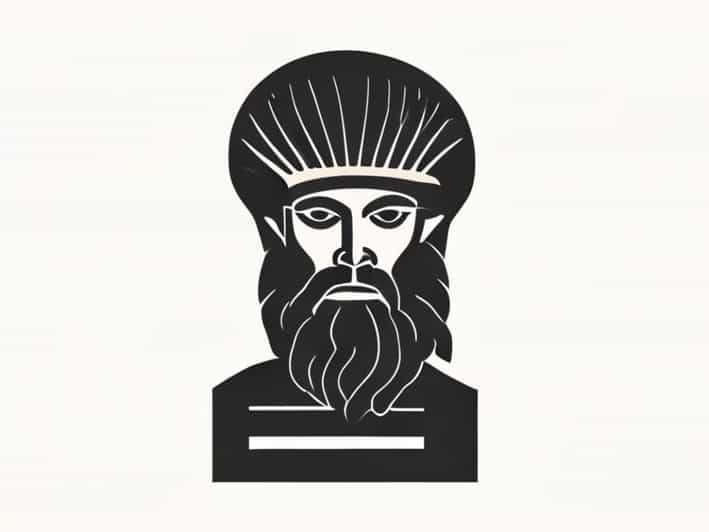
The Age of Babylon marked a turning point in ancient Mesopotamian civilization, a time when myths, cities, and culture flourished along the Tigris and Euphrates rivers. Among the many figures of this era, Enkidu stands out as one of the most fascinating. His story, deeply rooted in the Epic of Gilgamesh, represents both the human struggle for meaning and the transition from wildness to civilization. Understanding the Age of Babylon and Enkidu’s role in it offers insight into how early societies viewed humanity, friendship, and the divine.
The Age of Babylon A Cradle of Civilization
The Age of Babylon refers to a historical period roughly between 1894 BCE and 539 BCE, centered around the rise and fall of Babylon, one of the most influential cities in ancient Mesopotamia. Known for its advancements in law, astronomy, literature, and architecture, Babylon became a beacon of culture in the ancient world. The famous Code of Hammurabi, one of the earliest written legal systems, emerged from this age, shaping justice and governance for centuries to come.
During this era, stories and myths were recorded on clay tablets in cuneiform script. The Epic of Gilgamesh, which contains the story of Enkidu, is among these literary treasures. The epic reflects the moral, spiritual, and social values of Babylonian society and provides a glimpse into the human condition as seen through the eyes of one of the world’s oldest civilizations.
Who Was Enkidu?
Enkidu is one of the central characters in the Epic of Gilgamesh, which dates back to the early second millennium BCE. He is portrayed as a wild man created by the gods to balance King Gilgamesh’s arrogance and power. Unlike Gilgamesh, who was two-thirds divine and one-third human, Enkidu began as a creature of nature uncivilized, strong, and living among animals.
In the story, Enkidu’s transformation from a wild being into a civilized man represents a symbolic journey from instinct to intellect, from nature to culture. This transformation mirrors the development of human society in the Age of Babylon, when people were transitioning from rural tribes to organized urban life.
The Creation of Enkidu
According to the epic, the people of Uruk, the city ruled by Gilgamesh, prayed to the gods for relief from their king’s oppressive rule. In response, the goddess Aruru created Enkidu from clay, giving life to a being as powerful as Gilgamesh himself. He lived in the wilderness, running with animals and eating grass like them. His presence symbolized purity, freedom, and the natural state of man before civilization’s influence.
However, the gods intended for Enkidu to confront Gilgamesh, teaching him humility and compassion. This divine purpose would lead Enkidu into human society, forever changing his destiny.
Enkidu’s Transformation into Civilization
The shift from nature to civilization begins when a temple priestess, Shamhat, encounters Enkidu. She seduces him, introducing him to human intimacy, food, and drink. After this encounter, the animals reject him, marking his separation from the natural world. Enkidu then travels to Uruk, where he meets Gilgamesh in a fierce battle that ends in mutual respect and deep friendship.
This friendship becomes the heart of the Epic of Gilgamesh. Together, they embark on heroic quests slaying the monster Humbaba and the Bull of Heaven. Through these adventures, Enkidu evolves from a primitive being into a wise and loyal companion, fully integrated into human society. His transformation reflects the Babylonian ideal of progress from wildness to wisdom, from chaos to order.
Symbolism of Enkidu’s Journey
Enkidu’s journey holds deep symbolic meaning. It represents the evolution of human consciousness and the inevitable loss of innocence that comes with knowledge. His fall from the wild mirrors humanity’s separation from nature as civilization advanced. The Babylonians saw this not as a punishment but as a necessary step toward enlightenment and community.
In many ways, Enkidu embodies the balance between instinct and intellect. He remains connected to the natural world even after becoming civilized, suggesting that humanity must not forget its roots even as it seeks progress.
Enkidu’s Death and Its Meaning
The death of Enkidu is one of the most emotional moments in ancient literature. After killing the Bull of Heaven, the gods decree that Enkidu must die as punishment. His illness and slow decline deeply affect Gilgamesh, who experiences grief and fear of mortality for the first time. Enkidu’s passing becomes the catalyst for Gilgamesh’s quest for immortality.
In a symbolic sense, Enkidu’s death represents the mortality of all living beings and the limits of human power. It reminds both the ancient audience and modern readers that even the strongest heroes must face death. In the Age of Babylon, where belief in the afterlife was uncertain, this story served as a meditation on life’s fragility and the importance of human legacy.
Historical and Cultural Context of Enkidu
The story of Enkidu was not merely a myth it reflected real social transformations occurring in Mesopotamia during the Age of Babylon. As cities grew and agriculture expanded, humanity began to dominate nature. The contrast between Enkidu and Gilgamesh mirrored the tension between rural and urban life, instinct and order, wilderness and civilization.
Furthermore, the Babylonian worldview emphasized the connection between gods and humans. Enkidu, created by divine hands, reminded people that their existence was tied to divine will. His life and death symbolized the delicate balance between divine justice and human ambition, a core belief of Babylonian religion and philosophy.
Lessons from Enkidu in Modern Perspective
Though thousands of years old, Enkidu’s story remains relevant today. In a world where technological progress often distances humanity from nature, his life reminds us of the importance of harmony between civilization and the natural world. His transformation shows that growth requires sacrifice, and his friendship with Gilgamesh highlights the value of compassion and loyalty.
From an ethical standpoint, Enkidu’s journey also teaches humility. He begins as a creature of strength and instinct, but through love, friendship, and loss, he learns what it means to be human. This evolution reflects a timeless truth understanding and empathy are what truly define civilization.
Religious and Mythological Significance
In Babylonian mythology, every event had a spiritual dimension. Enkidu’s story was not only about friendship and mortality but also about the relationship between humans and the gods. His creation and death were divine decisions, reinforcing the idea that human life was sacred yet subject to cosmic order. The myth echoed through temples and schools across Mesopotamia, shaping how people viewed destiny and morality.
Moreover, Enkidu’s transformation through Shamhat’s guidance has been interpreted as a symbolic initiation a passage from ignorance to enlightenment. In this way, the narrative mirrors many later religious and philosophical teachings about self-awareness and spiritual awakening.
The Age of Babylon and the story of Enkidu together represent a profound reflection on humanity’s origins, growth, and destiny. Enkidu’s life from wild creature to civilized hero captures the essence of what it means to evolve, to love, and to face mortality. Through his friendship with Gilgamesh, he becomes a bridge between nature and civilization, instinct and wisdom. His journey continues to inspire readers to seek balance between progress and humility. In the grand tapestry of Babylonian civilization, Enkidu stands as a timeless symbol of transformation, reminding us that the story of humanity began not with perfection, but with the search for meaning in a vast and mysterious world.