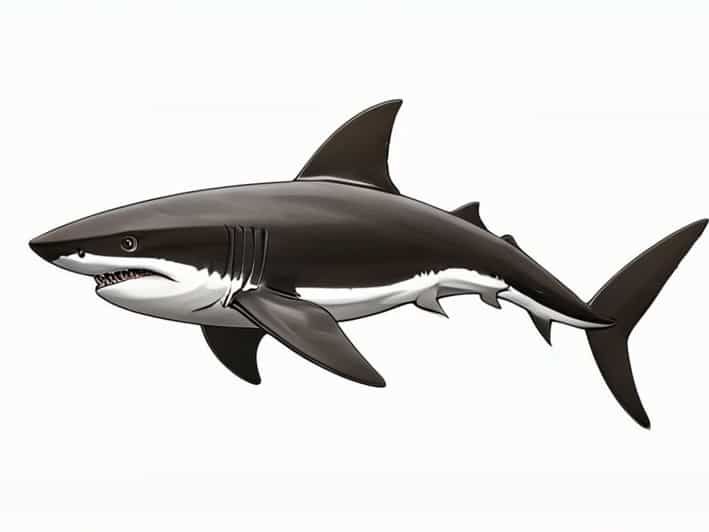
The bronze whaler shark, also known as the copper shark, is a fascinating species that inhabits coastal and offshore waters in temperate and subtropical regions. Known for its distinctive bronze coloration and impressive size, this shark plays an important role in marine ecosystems as an apex predator. Bronze whaler sharks are often found near rocky reefs, estuaries, and continental shelves, where they hunt for a variety of fish, cephalopods, and crustaceans. Understanding the behavior, habitat, and biology of the bronze whaler shark is crucial for marine conservation and for people who encounter these animals in coastal waters.
Identification and Physical Characteristics
The bronze whaler shark is easily recognizable by its coppery-brown or bronze dorsal surface, which gradually fades to a lighter, almost white underside. This coloration provides effective camouflage in the open ocean, helping the shark avoid detection from both prey and potential threats. Adult bronze whalers can reach lengths of up to 3.3 meters (11 feet) and weigh over 200 kilograms (440 pounds), making them one of the larger species of requiem sharks.
Body Structure and Fins
The bronze whaler has a streamlined, torpedo-shaped body that allows for efficient swimming over long distances. Its dorsal fin is relatively large and triangular, while the pectoral fins are broad and pointed, aiding in maneuverability. The tail fin, or caudal fin, is strong and provides the propulsion necessary for sudden bursts of speed when hunting. Their sharp, serrated teeth are well-adapted for grasping and cutting through the flesh of prey, reflecting their role as opportunistic predators.
Coloration and Camouflage
The distinctive bronze coloration helps the shark blend into the water column. From above, the darker dorsal surface matches the deep water, while the lighter underside makes the shark less visible to predators or prey looking up from below. This form of counter-shading is common among many marine predators and is key to the bronze whaler’s hunting strategy.
Habitat and Distribution
Bronze whaler sharks are found in temperate and subtropical waters around the world, including the coasts of Australia, South Africa, Japan, and South America. They inhabit both coastal and offshore environments, often frequenting continental shelves, bays, estuaries, and rocky reefs. Juveniles tend to remain in shallower, protected areas, while adults are more commonly found in deeper offshore waters.
Coastal and Offshore Presence
Nearshore areas provide abundant food resources and safe spaces for young sharks to grow. Adult bronze whalers often migrate seasonally to follow prey populations, demonstrating their adaptability and wide-ranging habits. They are also known to enter estuaries and river mouths, particularly during warmer months, to feed on schooling fish and other available prey. This adaptability allows them to exploit diverse environments, ensuring survival across varied marine habitats.
Migration Patterns
Bronze whaler sharks are migratory species, often moving hundreds of kilometers in search of food or suitable breeding grounds. Seasonal migration is influenced by water temperature, prey availability, and reproductive cycles. These movements also contribute to genetic mixing between populations, which is vital for maintaining healthy and resilient shark populations across their range.
Diet and Hunting Behavior
The bronze whaler is an opportunistic predator, feeding on a wide variety of fish, cephalopods such as squid, and occasionally crustaceans. Their hunting strategy is highly adaptable, ranging from solitary stalking to coordinated attacks in small groups. This versatility allows them to target different prey types effectively and thrive in diverse marine environments.
Hunting Techniques
- Ambush hunting near reefs or underwater structures to surprise prey.
- Chasing schools of fish in open water using bursts of speed and sharp turns.
- Occasionally scavenging on dead or injured animals found in the water column.
Bronze whaler sharks rely on a combination of keen senses to locate prey, including acute vision, the ability to detect vibrations in the water through their lateral line, and electroreception to sense electrical signals emitted by potential prey.
Reproduction and Lifespan
Bronze whaler sharks are viviparous, meaning they give birth to live young rather than laying eggs. Females typically produce between 10 and 20 pups after a gestation period that can last nearly a year. The young sharks are born fully formed and relatively independent, immediately capable of hunting and avoiding predators. This reproductive strategy ensures that a significant number of offspring survive despite predation risks in the wild.
Lifespan and Growth
Bronze whaler sharks can live up to 30 years in the wild. Growth rates vary with age, sex, and environmental factors, with juveniles experiencing rapid growth in their first few years. Adult sharks reach full size in about 10 to 15 years, depending on food availability and habitat conditions. Longevity and late maturity make this species sensitive to overfishing, highlighting the importance of sustainable management practices.
Interactions with Humans
While bronze whaler sharks are not considered aggressively dangerous to humans, they have been involved in rare shark attacks, usually occurring in areas where humans swim or surf. Most encounters are defensive or investigatory rather than predatory. Due to their size and power, it is advised to exercise caution in waters where bronze whalers are known to frequent, especially during feeding periods or in murky waters.
Conservation Concerns
Bronze whaler sharks face threats from commercial and recreational fishing, habitat degradation, and environmental pollution. They are often caught for their meat, fins, and liver oil, which has led to population declines in some regions. Conservation measures, including fishing quotas, protected areas, and public awareness campaigns, are essential to ensure the survival of this species and maintain balanced marine ecosystems.
Ecological Importance
As apex predators, bronze whaler sharks play a crucial role in maintaining the health of marine ecosystems. By controlling the populations of mid-level predators and prey species, they help maintain species diversity and ecological balance. Protecting bronze whalers not only safeguards the species itself but also supports the overall stability of the ocean environment.
The bronze whaler shark is a remarkable marine predator that combines impressive size, adaptive hunting strategies, and a wide distribution across temperate and subtropical waters. Its distinctive bronze coloration, migratory behavior, and role as an apex predator make it a species of interest for marine biologists, conservationists, and ocean enthusiasts alike. While encounters with humans are rare, understanding their behavior and respecting their habitats is essential for safety and conservation. Efforts to protect bronze whaler sharks through sustainable fishing practices, marine protected areas, and public education are critical for ensuring that this important species continues to thrive in oceans around the world. Studying and appreciating the bronze whaler helps highlight the complexity and interconnectedness of marine ecosystems and underscores the need for responsible stewardship of our oceans.