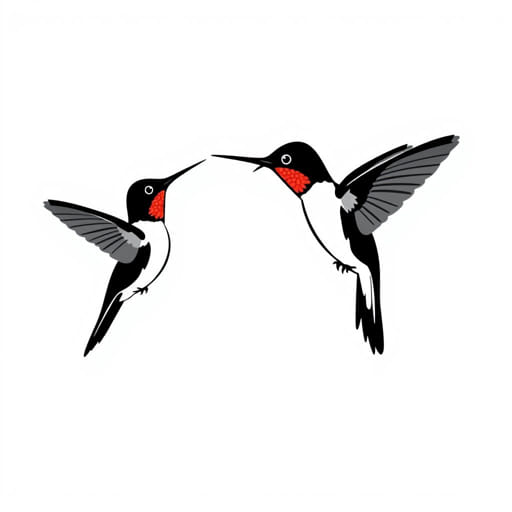
Among the many dazzling hummingbird species found across North America, the Black-chinned Hummingbird stands out for its agility, adaptability, and striking appearance. Commonly seen hovering near flowers or feeders in the western United States during the warmer months, this tiny bird possesses behaviors that often surprise observers. One of the most frequently asked questions about this species is: are Black-chinned Hummingbirds territorial? To fully understand this aspect of their behavior, it is important to explore their natural habits, interactions with other birds, and the ways in which they protect food and nesting areas.
Introduction to the Black-chinned Hummingbird
The Black-chinned Hummingbird (Archilochus alexandri) is a small but remarkable bird, measuring about 3.5 inches in length and weighing less than a nickel. Males have a black throat with a shimmering purple band visible in certain lighting, while females have a pale throat and a more subdued green back. These birds are migratory, spending the breeding season in North America and wintering in Mexico and parts of Central America.
Habitat and Feeding Preferences
Black-chinned Hummingbirds are highly adaptable and thrive in various habitats, including deserts, woodlands, gardens, and urban areas. They feed primarily on nectar from flowering plants but also consume small insects and spiders for protein. Feeders filled with sugar water are also a major attractant in residential backyards, especially during migration.
Territorial Behavior of Black-chinned Hummingbirds
Yes, Black-chinned Hummingbirds are indeed territorial, particularly when it comes to feeding areas. While they may be small in size, they exhibit strong protective instincts over their food sources. This behavior is especially pronounced in males, who often choose a specific area rich in nectar and aggressively guard it from rivals or other species.
How They Defend Their Territory
Territorial defense involves a range of behaviors designed to deter intruders and protect resources:
- Chasing: Males frequently engage in high-speed aerial chases to drive away other hummingbirds that get too close to their chosen flowers or feeders.
- Diving Displays: They perform dramatic U-shaped dives and vocalizations to intimidate competitors or attract mates.
- Perch Watching: Males often sit on high perches with a good view of their territory, ready to launch an attack if another bird encroaches.
- Vocal Warnings: Sharp chirps and rapid wingbeats may serve as warnings to other birds nearby.
Territorial Differences Between Males and Females
While males are generally more territorial, especially around food sources, females also exhibit defensive behavior primarily around their nesting sites. A female Black-chinned Hummingbird may aggressively defend her nest against intruding birds or predators such as jays, snakes, or squirrels.
Feeding vs. Nesting Territories
- Males: Focus on guarding food sources to ensure a high-energy area that can also attract females during mating season.
- Females: Prioritize protecting the area immediately surrounding their nests, especially after laying eggs or during chick-rearing.
Seasonal Changes in Territorial Behavior
Territoriality in Black-chinned Hummingbirds can vary depending on the season and food availability. During the breeding season (spring to early summer), territorial aggression is at its peak. Males are particularly vigilant during this time to secure mates and ensure control over rich feeding zones.
During Migration
As they prepare for or return from migration, Black-chinned Hummingbirds may be less territorial. With energy conservation being critical, they are more likely to tolerate the presence of others at feeding sites. However, short disputes may still occur if resources are limited.
Coexistence with Other Hummingbird Species
Black-chinned Hummingbirds often share their range with other hummingbird species, such as the Rufous Hummingbird, Anna’s Hummingbird, or Broad-tailed Hummingbird. These interactions can lead to competition and occasional conflict, especially around feeders or flower patches.
Hierarchies at Feeders
At backyard feeders, a hierarchy often develops, where the most dominant individual chases others away. Interestingly, although Black-chinned Hummingbirds are territorial, they may back down when faced with more aggressive species like the Rufous Hummingbird, which is notoriously dominant.
How to Manage Territorial Behavior at Feeders
If you’re a bird enthusiast trying to attract more hummingbirds, you might notice one particularly aggressive bird chasing others away. This is typical territorial behavior, but there are ways to minimize conflict and allow more birds to feed peacefully.
Tips for Backyard Birders
- Use multiple feeders: Spread feeders around your yard to prevent one bird from dominating them all.
- Place feeders out of sight: Position feeders so they are not visible from one another, making it harder for a territorial bird to control them.
- Provide natural cover: Plant native flowers and shrubs to offer both food and hiding spots for less dominant hummingbirds.
Why Territoriality Matters in the Wild
Though it may appear aggressive, territorial behavior plays an important role in the survival and reproductive success of Black-chinned Hummingbirds. By securing a reliable food source, a male increases his energy reserves and attractiveness to females. For females, defending a nesting site increases the chances of raising healthy offspring.
Adaptation and Evolution
This behavior is an adaptive trait developed through evolution. In an environment where resources can be scarce, the ability to secure and defend them becomes vital. Even their physical characteristics, like sharp vision, rapid wing movement, and precise flight control, support this territorial instinct.
Observing Territorial Behavior in Nature
For those who enjoy observing birds in the wild, the Black-chinned Hummingbird offers plenty of excitement. Watch for the rapid chases, sharp dive displays, and loud chirps around flowering bushes or hummingbird feeders. These behaviors often unfold in seconds, but they reveal a lot about the bird’s priorities and social interactions.
Best Times to Watch
- Early morning: When feeding activity is highest and territorial skirmishes are common.
- Breeding season: When males display their most intense defensive and courtship behaviors.
- Late summer: When young birds are learning social dynamics before migration.
Black-chinned Hummingbirds may be small, but their bold and territorial nature adds a dynamic element to their behavior. Their instinct to defend feeding zones, especially during the breeding season, demonstrates how complex and fascinating their social interactions can be. Whether you’re observing them in the wild or in your own backyard, understanding their territorial behavior enhances the experience and appreciation for these remarkable birds. By respecting their natural instincts and supporting a hummingbird-friendly environment, we can enjoy their presence while allowing them to thrive.