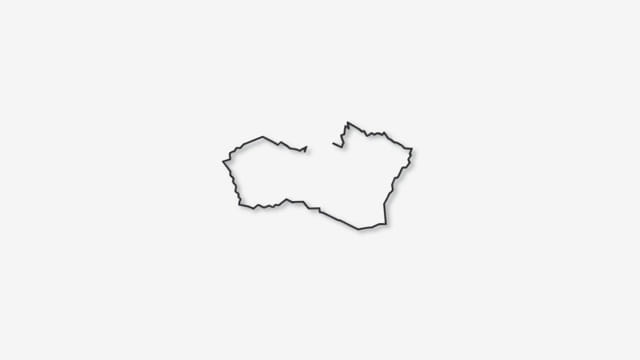
Latvia is a fascinating country located in Northern Europe, known for its rich history, diverse culture, and stunning natural landscapes. Often considered one of the Baltic states, Latvia occupies a strategic position on the eastern coast of the Baltic Sea. Its location has played a crucial role throughout history, influencing trade routes, cultural exchanges, and political developments. Many people curious about European geography ask, ‘Where is Latvia located?’ to better understand this country’s place within Europe and its importance on the regional stage. Latvia’s unique position, bordered by several nations and surrounded by significant bodies of water, makes it a compelling subject for travelers, historians, and anyone interested in European affairs.
Geographic Location of Latvia
Latvia is situated in the northeastern part of Europe on the eastern shores of the Baltic Sea. It is one of the three Baltic states, along with Estonia to the north and Lithuania to the south. The country’s position provides it with a coastline along the Baltic Sea to the west, which has been historically important for maritime trade and cultural connections.
More specifically, Latvia lies between the latitudes of approximately 55° and 58° North, and longitudes of roughly 21° and 28° East. This places Latvia firmly in the temperate climate zone with distinct seasons, including cold winters and mild summers.
Bordering Countries
Latvia shares land borders with three countries:
- Estonia: To the north, Latvia shares a border with Estonia, which is another Baltic nation with a rich cultural heritage and history.
- Russia: To the east, Latvia borders Russia, which has historically influenced the region politically and culturally.
- Belarus: To the southeast, Latvia shares a border with Belarus, a landlocked country in Eastern Europe.
- Lithuania: To the south, Latvia borders Lithuania, completing the trio of Baltic states.
Coastline and Bodies of Water
Latvia’s western border is defined by the Baltic Sea, including the Gulf of Riga to the northwest. The coastline stretches approximately 500 kilometers (310 miles), featuring sandy beaches, cliffs, and important port cities.
The country is also home to many rivers and lakes that contribute to its natural beauty and economic resources. The Daugava River is the most significant, flowing through the capital city Riga before emptying into the Gulf of Riga.
Capital City: Riga
Riga, the capital and largest city of Latvia, is located along the banks of the Daugava River near the Baltic Sea. Its strategic location has historically made it a key port and commercial center, attracting traders, settlers, and invaders throughout centuries. Riga is also a cultural hub, blending medieval architecture with modern influences.
Latvia’s Position in Europe
Latvia’s location places it at a crossroads between Northern, Eastern, and Central Europe. It is part of the European Union (EU) and NATO, highlighting its political and economic integration within Western institutions.
The country lies on important regional corridors linking Scandinavia and Russia, as well as Western Europe and the wider Baltic region. These corridors facilitate trade, transportation, and cultural exchange, making Latvia a gateway between east and west.
Neighboring Capitals
Several capital cities are located relatively close to Latvia’s borders:
- Tallinn, Estonia: About 300 kilometers (186 miles) to the north.
- Moscow, Russia: Approximately 700 kilometers (435 miles) to the east.
- Minsk, Belarus: Around 300 kilometers (186 miles) to the southeast.
- Vilnius, Lithuania: Roughly 150 kilometers (93 miles) to the south.
Climate and Terrain
Latvia’s location within Northern Europe gives it a temperate maritime climate influenced by the Baltic Sea. Winters can be cold, with snowfall common from December through February, while summers tend to be mild and pleasant.
The country’s terrain is largely flat with some gentle hills, covered by extensive forests, wetlands, and agricultural land. Latvia’s geography is ideal for outdoor activities such as hiking, cycling, and exploring nature reserves.
Natural Parks and Protected Areas
Due to its diverse ecosystems, Latvia has established numerous protected natural areas including:
- Gauja National Park, famous for its river valley and medieval castles.
- Slītere National Park along the Baltic coast.
- Kemeri National Park, known for its wetlands and unique flora.
Historical Importance of Latvia’s Location
Latvia’s location has made it a crossroads of cultures and empires for centuries. It was historically inhabited by Baltic tribes and later became part of the Hanseatic League, a powerful trading alliance in medieval Europe.
Over time, Latvia was influenced by German, Swedish, Polish, and Russian powers, each leaving an imprint on its culture, language, and political history. In the 20th century, Latvia declared independence following World War I, was occupied during World War II, and eventually restored its sovereignty in 1991 after the fall of the Soviet Union.
Economic and Cultural Connections
Today, Latvia’s location continues to influence its economic and cultural life. Its ports serve as vital gateways for Baltic Sea trade, and its proximity to Russia and the EU facilitates international business and diplomacy.
Latvia’s diverse population includes ethnic Latvians, Russians, and other groups, reflecting its location as a cultural melting pot in Eastern Europe.
Transport Infrastructure
Latvia is connected by extensive road and rail networks linking it to neighboring countries and Europe at large. The Riga International Airport serves as the main air gateway for international travel.
Why Knowing Where Latvia Is Matters
Understanding where Latvia is located helps in grasping its role in European geopolitics, culture, and economics. For travelers, it highlights an intriguing destination rich with history and natural beauty. For businesses, Latvia’s location opens opportunities for trade and cooperation between Western and Eastern Europe.
Additionally, Latvia’s position within the Baltic region is key to regional security and environmental efforts, particularly concerning the Baltic Sea and cross-border collaboration.
Latvia is located in Northern Europe along the eastern shores of the Baltic Sea, bordered by Estonia, Russia, Belarus, and Lithuania. Its strategic position at the intersection of Northern, Eastern, and Central Europe has shaped its history, culture, and economy. From the vibrant capital Riga on the Daugava River to the serene forests and coastlines, Latvia’s location offers a unique blend of natural beauty and cultural richness. Knowing where Latvia is provides valuable context for understanding this Baltic state’s past, present, and future within the European landscape.