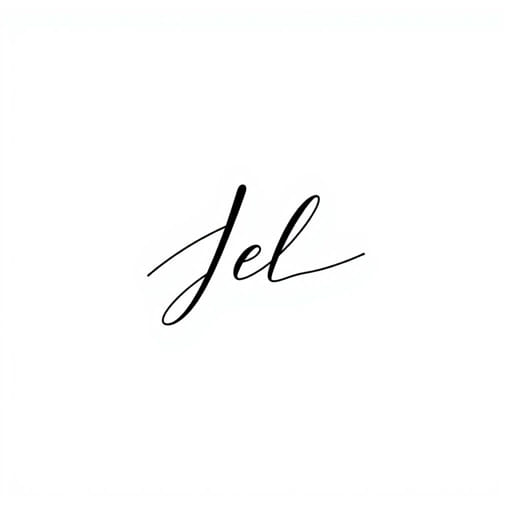
When it comes to choosing a typeface for creative or decorative purposes, script typefaces offer a unique charm that stands out. These typefaces are designed to mimic the flow and elegance of human handwriting or calligraphy, making them a popular choice for invitations, logos, branding, and artistic compositions. Whether flowing and romantic or casual and whimsical, script typefaces have a visual voice that captures attention and conveys personality. Understanding what script typeface is and how to use it effectively is essential for graphic designers, marketers, and content creators seeking visual flair.
Definition of Script Typeface
What Makes a Typeface a Script?
A script typeface is a category of fonts that resembles cursive handwriting or calligraphic lettering. Unlike blocky or geometric fonts like serif or sans-serif, script typefaces have strokes that connect fluidly from one letter to the next. These strokes may vary in thickness, style, and complexity, but the key characteristic is the continuous and flowing nature of the letters.
Origins of Script Typefaces
Script fonts trace their roots back to handwritten manuscripts and formal calligraphy styles. As printing technology evolved, designers began to replicate these hand-lettered styles digitally. Today, script typefaces blend traditional elegance with modern usability, offering a broad range of applications from vintage designs to contemporary marketing materials.
Main Categories of Script Typefaces
Formal Script
Formal script typefaces are based on traditional calligraphy and often mimic the style of 17th and 18th-century handwriting. These fonts have high contrast in stroke width, elaborate flourishes, and an overall refined appearance.
- Used for: Wedding invitations, diplomas, certificates
- Examples: Edwardian Script, Bickham Script
Casual Script
Casual script fonts resemble more relaxed, informal handwriting. They often have a brush or marker pen look, making them feel more modern and friendly.
- Used for: Greeting cards, advertisements, children’s books
- Examples: Brush Script, Pacifico
Calligraphic Script
Calligraphic scripts bridge the gap between formal and casual styles. Inspired by the art of hand-drawn lettering, they can be ornate or minimalistic, often reflecting a pen-on-paper aesthetic.
- Used for: Branding, editorial headers, signage
- Examples: Zapfino, Lucida Calligraphy
Key Features of Script Typefaces
Letter Connection
One of the most noticeable features is the way letters are connected. In many script typefaces, especially formal and calligraphic ones, each letter flows into the next. However, not all script fonts are fully connected some opt for a semi-script style where the connection is implied but not continuous.
Stroke Variation
Script fonts typically feature variations in stroke width, mimicking pressure changes in handwriting. This gives the typeface a dynamic rhythm that feels alive and expressive.
Flourishes and Swashes
Many script typefaces include decorative elements like swashes extended strokes that embellish characters, especially at the beginning or end of words. These features add flair but should be used sparingly to avoid overwhelming the design.
When to Use Script Typefaces
Highlighting Elegance or Emotion
Script fonts are ideal when the goal is to convey elegance, emotion, or personality. Because they resemble handwritten communication, they evoke a sense of intimacy or authenticity. This makes them perfect for:
- Romantic or sentimental content
- Luxury brands
- Artisanal or handmade product packaging
Creating a Unique Identity
For branding purposes, script typefaces help a business stand out. Whether used in logos, slogans, or packaging, a distinctive script font can reinforce the uniqueness and style of a product or service.
Decorative Text Elements
Script fonts excel in titles, headings, and accents. They’re best used in small amounts where they can shine as decorative components rather than body text, which they may render less readable.
Best Practices for Using Script Fonts
Limit to Short Text
Script typefaces are beautiful but can be difficult to read in large blocks. Reserve them for titles, logos, headlines, or short quotes. Pair with clean sans-serif or serif fonts for body text to maintain clarity and readability.
Mind the Spacing
Kerning and line spacing are crucial when using script fonts. Overlapping or overly tight letter spacing can make words look cluttered. Proper spacing helps retain the elegance of the font without compromising legibility.
Use High-Resolution Output
Because script fonts often have fine lines and detailed curves, low-resolution printing or displays can distort their appearance. Always test script fonts at the final output size and resolution to ensure quality.
Popular Script Fonts in Modern Design
Allura
A classic, flowing script with moderate flourishes. Elegant yet readable, often used in formal design projects.
Great Vibes
This font has a beautifully smooth, connected stroke with elegant swashes perfect for sophisticated branding.
Lobster
Lobster is bold and modern, with a distinctive flair. It’s widely used in advertising, food branding, and social media graphics.
Alex Brush
Alex Brush is a refined calligraphy-inspired font with excellent readability, making it a favorite for weddings and special occasions.
Script Typeface vs. Handwritten Fonts
While both script and handwritten fonts simulate handwriting, there’s a difference in intent and style:
- Script fonts: Designed with elegance and fluidity, often with consistent slant and connection.
- Handwritten fonts: Mimic casual writing with irregularities and personal quirks, often less structured.
Handwritten fonts may appear more playful or raw, while script fonts are usually more polished and refined.
Script Typefaces in Web and Digital Design
Responsiveness and Mobile Use
When using script fonts in web design, it’s important to test across devices. Small screen sizes can hinder readability, especially if the font is ornate. Ensure that text size and spacing adjust well on mobile layouts.
Loading Speed and Font Files
Script fonts can have complex vector outlines that increase file size. Optimize web performance by choosing lightweight versions or serving fonts from fast, reliable hosting services.
Script typefaces are an elegant, expressive, and versatile choice in the world of typography. Their handwritten appearance adds charm and personality, whether in a romantic wedding invitation, an upscale brand logo, or a catchy social media graphic. By understanding what script typeface means and how to use it appropriately, designers and content creators can add authenticity and beauty to their visual communication. The key lies in choosing the right script font for the occasion, balancing style with legibility, and letting the letterforms bring their artistic voice to the page.