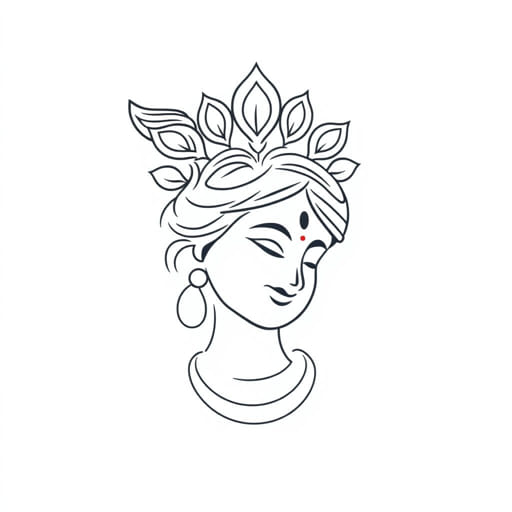
A drawing of Krishna is more than just an artistic representation it is a visual meditation that captures the divinity, charm, and mythology surrounding one of Hinduism’s most beloved deities. Whether sketched with pencil, painted in vibrant colors, or digitally rendered, images of Krishna hold immense spiritual and cultural value. From serene depictions of baby Krishna to majestic forms as the divine charioteer in the Mahabharata, each drawing tells a story that connects viewers to a deep spiritual tradition. These artistic works are not only appreciated for their beauty but also for the devotion they express and inspire.
The Significance of Depicting Krishna in Art
Krishna holds a central place in Hindu philosophy, revered as the eighth avatar of Vishnu and the embodiment of love, wisdom, and divine playfulness. Creating a drawing of Krishna is often considered a sacred act, as artists attempt to translate spiritual essence into form. Each feature from his blue skin to the iconic peacock feather in his crown carries symbolic weight and invites the viewer into deeper reflection.
Common Themes in Krishna Drawings:
- Bala Krishna Representations of Krishna as a playful child, often stealing butter or crawling
- Krishna with Radha Symbolizing divine love and spiritual union
- Flute-playing Krishna A calm figure standing by the river Yamuna, drawing all beings with his music
- Krishna in Kurukshetra Driving Arjuna’s chariot during the epic battle in the Bhagavad Gita
Each drawing conveys a different aspect of Krishna’s persona his innocence, romantic devotion, divine wisdom, or cosmic power. The diversity of expressions makes Krishna an enduring subject in Indian and global art.
Stylistic Approaches to Drawing Krishna
Artists approach drawings of Krishna with various techniques, each bringing out a unique dimension of the deity. Traditional Indian styles like Madhubani, Pattachitra, and Mughal miniature painting often serve as inspiration, while modern artists may adopt more abstract or digital methods.
Popular Artistic Styles:
- Line drawings Minimalist sketches focusing on outlines and facial expressions
- Realistic renderings Highly detailed, often painted with shading and naturalistic proportions
- Mythological depictions Stylized art reflecting religious texts and scriptures
- Folk art Bright and symbolic, emphasizing spiritual themes through traditional motifs
Regardless of style, a successful drawing of Krishna captures his essence a blend of human beauty and divine mystery. The eyes, in particular, are a focal point in many Krishna artworks, representing his compassion and omniscience.
Materials and Tools Used in Krishna Art
Creating a drawing of Krishna can be done with a wide variety of artistic tools. While some prefer the simplicity of graphite or charcoal, others use colored pencils, ink, or watercolors to bring Krishna to life. Digital illustration tools are increasingly popular as well, allowing artists to blend traditional elements with modern design.
Common Materials:
- Graphite pencils for sketching outlines and shading
- Ink pens for detailed linework and highlights
- Colored pencils and pastels for vibrant effects
- Watercolors and acrylics for traditional paintings
- Digital tablets and software like Procreate or Photoshop for modern renderings
Each medium influences the final mood of the artwork. A black-and-white Krishna drawing may feel serene and meditative, while a vividly colored one might express divine energy and joy.
Symbolism in Krishna’s Features
Every element in a drawing of Krishna carries symbolic meaning. These features are not just decorative they convey spiritual truths and cultural stories that have been passed down for centuries.
Symbolic Elements to Include:
- Peacock feather Represents beauty, grace, and his connection to nature
- Flute (bansuri) Symbolizes divine music, attraction of the soul, and spiritual awakening
- Blue skin Signifies infinity and the cosmic nature of Krishna
- Lotus flower A symbol of purity and transcendence
- Vibrant garments Often yellow or saffron, representing knowledge and energy
These elements are carefully placed by artists to maintain authenticity and convey deeper meanings. Viewers familiar with Hindu iconography often interpret Krishna’s posture, hand gestures (mudras), and surroundings as part of the narrative.
Inspiration from Sacred Texts
A drawing of Krishna often draws inspiration from classical Indian scriptures such as the Bhagavad Gita, Srimad Bhagavatam, and Mahabharata. These texts describe Krishna’s actions, teachings, and divine form in detail, serving as a blueprint for artists seeking authenticity and devotion.
Artists may choose to depict Krishna in scenes like:
- Delivering the Bhagavad Gita to Arjuna on the battlefield
- Performing the Ras Lila dance with the Gopis
- Holding the Govardhan Hill to protect villagers from a storm
- Engaging in playful mischief as a child in Vrindavan
Such depictions not only reflect artistic skill but also religious reverence. The goal is to inspire bhakti, or devotion, through visual storytelling.
Global Influence and Artistic Expression
Though rooted in Indian tradition, Krishna’s image has inspired artists around the world. Western and contemporary artists have interpreted Krishna in new ways sometimes blending cultural styles or creating abstract representations that focus on mood and symbolism rather than literal depiction.
These international artworks often reflect the universal appeal of Krishna’s teachings love, compassion, and balance between the material and spiritual worlds. As Krishna becomes more familiar to global audiences, more artists from diverse backgrounds explore his image through their own cultural lens.
Drawing Krishna as a Meditative Practice
For many, drawing Krishna is not just a creative process but also a spiritual discipline. Focusing on his features, expressions, and symbols can become a form of active meditation. Artists often describe a feeling of peace or connection while working on such drawings.
Benefits of Drawing Krishna for Devotees:
- Deepens personal relationship with the deity
- Enhances focus and mindfulness
- Provides a calming and fulfilling creative outlet
- Acts as an offering or act of devotion (seva)
Some traditions even encourage incorporating prayers or mantras while drawing, merging the visual and auditory paths of devotion. This transforms art into a sacred act, bridging the physical and spiritual realms.
More Than Just a Drawing
A drawing of Krishna is a powerful expression of devotion, culture, and creativity. Whether created by a seasoned artist or a beginner filled with faith, each image contributes to a long-standing tradition of visually honoring the divine. Through delicate lines, vibrant colors, and thoughtful symbolism, artists give form to a deity who has inspired generations with his love, wisdom, and cosmic play. In every sketch or brushstroke lies the potential to inspire contemplation, joy, and connection to something greater than oneself. It is, indeed, more than art it is a spiritual journey on paper.