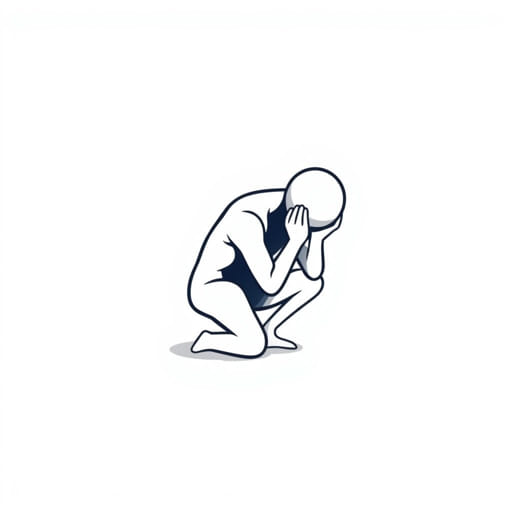
To cower in fear is a phrase that captures a deeply human reaction one that reflects a natural response to extreme threat, overwhelming pressure, or intense intimidation. When someone cowers in fear, their body physically shrinks or retreats in a protective gesture, showing a mix of vulnerability and instinctive self-preservation. This expression is not just about the act of being afraid; it is about the visible manifestation of fear. It is commonly used in literature, psychology, media, and everyday conversation to describe both literal and metaphorical fear responses. Understanding the full meaning, usage, and implications of this phrase is essential for interpreting emotions and behavior in both spoken and written English.
Definition and Meaning of ‘To Cower in Fear’
The verb ‘cower’ means to crouch down or draw back in fear, often instinctively, as a way to avoid harm. It is typically followed by the phrase ‘in fear’ to indicate the reason behind this physical reaction. Thus, ‘to cower in fear’ means to shrink away or crouch defensively because of fear.
Common Scenarios of Usage
The phrase ‘to cower in fear’ is used in a wide range of contexts, including:
- Describing someone in the face of a threatening situation
- Characterizing animals reacting to aggression or danger
- Portraying emotional states in literature or drama
- Explaining psychological trauma or phobic behavior
It emphasizes a strong, visible, often involuntary reaction to danger. The fear may be physical, emotional, or psychological, but it is always intense and usually overwhelming.
Psychological Interpretation
In psychological terms, to cower in fear can be interpreted as part of the ‘fight, flight, or freeze’ response to danger. When someone cowers, it is often a combination of the freeze and flight mechanisms. The body collapses or crouches to protect vital organs, while the brain tries to process a perceived threat. This reaction is often seen in individuals who have experienced trauma, abuse, or prolonged exposure to stressful environments.
Fear and the Human Body
Fear triggers several responses in the body, including:
- Increased heart rate
- Shallow, rapid breathing
- Muscle tension
- Adrenaline release
- Crouching or covering the head for protection
These responses can cause someone to physically recoil or hide thus, to cower. Understanding these biological cues helps explain why the body instinctively moves to a defensive position when under emotional or physical threat.
Examples of Usage in Sentences
To grasp the nuance of ‘to cower in fear,’ here are several sentence examples:
- The dog cowered in fear under the table as the thunder roared outside.
- She cowered in fear when the angry man raised his voice.
- The villagers cowered in fear as the army approached the town.
- He cowered in fear behind the dumpster, praying not to be seen.
Each example shows a different kind of fear from natural fear of loud noises to fear caused by human conflict or violence.
Emotional and Cultural Dimensions
The image of someone cowering in fear can evoke strong emotional reactions in others. It often creates a sense of empathy, sadness, or moral urgency. In literature and film, this phrase is used to highlight moments of vulnerability or oppression. In cultural narratives, those who cower in fear are often portrayed as victims of unjust treatment or overwhelming odds.
Associated Feelings and Reactions
People witnessing someone cower in fear may feel:
- Protectiveness
- Anger toward the source of fear
- Discomfort or guilt
- Sadness or compassion
This reaction can influence how characters are perceived or how real-life situations are interpreted. It often serves as a visual or emotional cue in storytelling and communication.
Synonyms and Related Expressions
While ‘to cower in fear’ is specific and vivid, several synonyms and related phrases carry similar meanings:
- To cringe in fear
- To shrink away
- To tremble with fear
- To flinch
- To recoil
These alternatives can be used depending on the tone and context. However, ‘to cower in fear’ remains one of the most expressive and physical ways to depict an extreme fear response.
Contrast with Bravery
To cower in fear is often used in contrast with standing one’s ground or facing danger bravely. In many narratives whether in novels, movies, or moral stories the act of cowering is juxtaposed with heroism or courage. This contrast is not meant to shame vulnerability but to highlight different reactions to fear and adversity.
Importantly, cowering does not indicate weakness of character. In some situations, it reflects the best possible survival tactic. Recognizing this helps reduce the stigma associated with visible fear responses.
Symbolism and Interpretation in Literature
Writers and poets often use ‘to cower in fear’ to evoke emotional imagery. It can symbolize:
- Powerlessness in the face of authority
- Loss of control
- Emotional trauma
- Submission to greater forces
For example, a character who cowers might represent not just a single person’s fear but the broader oppression of a group or class. In this way, the phrase carries both literal and metaphorical weight in storytelling.
Common Misconceptions
Some people mistakenly associate ‘to cower in fear’ only with cowardice or weakness. In reality, it is a normal, instinctive reaction to fear. It is important to differentiate between a psychological defense and a personal failing. In many cases, cowering reflects the body’s attempt to survive overwhelming stress or danger.
Another misconception is that only humans cower in fear. In fact, animals also show this behavior. Dogs, cats, and other pets often cower when they feel threatened or ashamed, which shows that this response is deeply embedded in natural instinct.
To cower in fear is more than just an expression it represents a fundamental human and animal response to danger. Whether it’s used in literature, psychology, or everyday language, it captures the raw essence of fear made visible. Understanding its meaning, use, and emotional implications helps us become more empathetic communicators and observers. It reminds us that fear is universal, and how we respond to it or witness it in others shapes our emotional and social landscape. In a world where fear is often misunderstood, recognizing and respecting these instinctive reactions can foster greater compassion and insight.