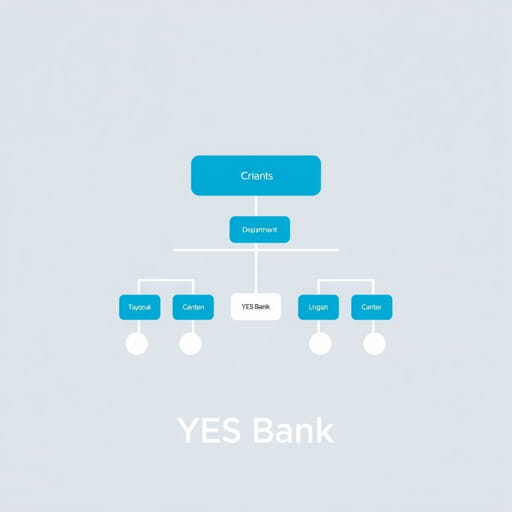
Yes Bank is one of India’s prominent private sector banks, known for offering a wide range of banking and financial services to retail, corporate, and institutional clients. Understanding the organizational structure of Yes Bank provides insight into how the institution operates, manages risk, ensures governance, and drives business efficiency. The bank’s internal hierarchy is designed to support operational effectiveness, regulatory compliance, customer-centric growth, and innovation across its product and service verticals. With clear reporting lines and segmented divisions, Yes Bank maintains agility in decision-making while ensuring alignment with long-term strategic goals and regulatory requirements.
Overview of Yes Bank’s Organizational Structure
Yes Bank follows a hierarchical organizational structure with a blend of functional and divisional elements. This approach ensures that the bank can operate efficiently while also adapting to changes in the banking environment. The structure is segmented into different verticals such as retail banking, corporate banking, digital banking, risk management, and compliance.
Key Features of the Structure
- Hierarchical reporting system with clear leadership tiers.
- Functional specialization to manage core banking activities.
- Divisional segmentation for geographic and service-based operations.
- Governance oversight through independent board committees.
Top Management and Leadership Roles
The top management of Yes Bank plays a critical role in setting strategy, ensuring compliance, and guiding the overall vision of the organization. This includes the Board of Directors, the Managing Director & CEO, and various executive committee members.
Board of Directors
The Board of Directors is the highest decision-making body in the organization. It includes executive and non-executive directors who provide strategic guidance and governance. Independent directors bring external perspectives and ensure that the bank follows ethical and transparent practices.
Managing Director & CEO
The MD & CEO is the chief executive officer responsible for executing the board’s vision, managing day-to-day operations, and leading the bank through growth and transformation. This role oversees all major verticals and functions across the organization.
Executive Committee
The Executive Committee consists of senior leaders heading various business and support functions. Members typically include:
- Chief Financial Officer (CFO)
- Chief Operating Officer (COO)
- Chief Risk Officer (CRO)
- Chief Compliance Officer (CCO)
- Chief Information Officer (CIO)
- Heads of Retail, Corporate, and Digital Banking
Each executive is responsible for specific portfolios and reports directly to the CEO or Board, depending on the function.
Core Functional Divisions
Yes Bank’s organizational structure includes distinct functional areas that oversee essential operations. These divisions allow the bank to deliver services efficiently while managing risk and maintaining compliance.
Retail Banking Division
The retail banking segment focuses on services for individual customers. This division manages:
- Personal banking products such as savings accounts, loans, and credit cards
- Branch network and customer service operations
- Cross-selling and customer acquisition strategies
Corporate Banking Division
Corporate banking handles relationships with medium to large enterprises and institutions. Responsibilities include:
- Providing working capital finance and structured credit
- Managing large accounts and investment banking services
- Offering cash management, trade finance, and treasury services
Digital and Technology Division
Yes Bank is known for its innovation in digital banking. The technology division supports:
- Mobile and internet banking platforms
- Cybersecurity and IT infrastructure
- Fintech partnerships and API-based services
Risk and Compliance Division
Risk and compliance are critical pillars in the structure. The division oversees:
- Credit risk and market risk monitoring
- Operational risk assessments
- Internal controls and compliance with regulatory guidelines
Support Functions and Administrative Units
Supporting the main business lines are essential departments that manage resources, communication, and policy implementation across the organization.
Human Resources
The HR division manages talent acquisition, training, employee engagement, and organizational development. It ensures that the bank maintains a capable and motivated workforce.
Legal and Audit
The legal team provides internal legal advisory, manages litigations, and ensures compliance with applicable laws. The audit function operates independently and reports to the Audit Committee of the Board.
Marketing and Communication
This division is responsible for branding, public relations, digital campaigns, and product promotions across markets. It plays a role in shaping the bank’s public image.
Geographic and Regional Segmentation
Yes Bank also structures part of its operations by geography. This allows for better regional oversight and customer service. Each region may have a zonal or regional head who ensures that business strategies are tailored to local needs.
Benefits of Regional Management
- Faster decision-making at the local level
- Stronger relationships with regional clients
- Improved control over operational risks in diverse areas
Subsidiaries and Strategic Units
Yes Bank may operate or partner with subsidiaries for specific financial services such as asset management, investment advisory, or specialized lending. These entities follow the parent company’s strategic vision while maintaining operational independence.
Examples of Strategic Units
- Yes Securities for capital markets and broking services
- Yes Asset Management for mutual funds and portfolio management
- Fintech collaboration units to drive innovation and digital partnerships
Organizational Culture and Communication Flow
The hierarchical structure of Yes Bank is supported by strong communication channels. Vertical reporting lines are supplemented by cross-functional collaboration. Regular meetings, performance reviews, and internal reporting systems help maintain transparency and accountability.
Culture and Employee Engagement
Yes Bank promotes a performance-driven culture. Leadership emphasizes:
- Customer-centric decision-making
- Innovation and agility
- Regulatory discipline and ethical conduct
Employees are encouraged to participate in strategic initiatives and bring innovative ideas to improve service delivery.
The organizational structure of Yes Bank is built to support its diverse range of services and strategic goals. From the Board of Directors to frontline staff, each level of the hierarchy plays a specific role in maintaining operational efficiency, compliance, and customer satisfaction. With clearly defined divisions and reporting mechanisms, the bank is able to respond to market demands while maintaining financial discipline. The blend of functional specialization, regional segmentation, and leadership governance allows Yes Bank to navigate challenges in a dynamic financial environment while continuing its mission to provide responsible banking solutions across India.