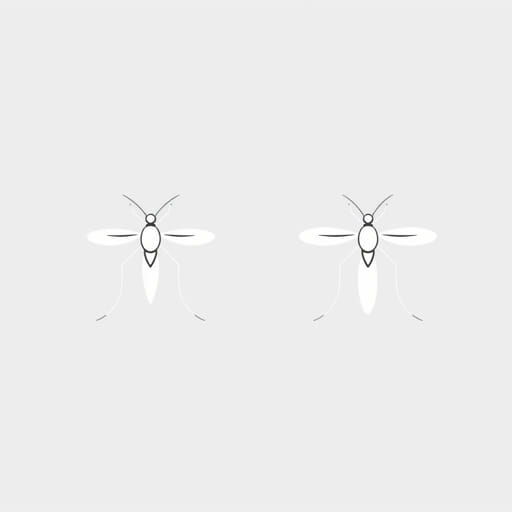
Mosquitoes are among the most common insects found in both tropical and temperate climates, and while they might all look similar at first glance, there are distinct differences between the male and female mosquito known in Spanish as zancudo hembra and zancudo macho. Understanding these differences is not only interesting from a biological perspective, but it’s also essential when considering public health issues, such as mosquito-borne diseases. While female mosquitoes are often recognized for their role in biting and disease transmission, males play a quieter but equally fascinating role in the mosquito life cycle and ecology.
Physical Differences Between Male and Female Mosquitoes
Size and Appearance
One of the most noticeable differences between zancudo hembra (female mosquito) and zancudo macho (male mosquito) is their size. Generally, females are larger than males. This is because females need to store more nutrients for egg development. The additional nutrients often translate into a more robust body structure.
Antennae Structure
The antennae of male and female mosquitoes are distinctly different. Male mosquitoes have bushy, feathery antennae that help them detect the high-pitched whine of female mosquitoes during mating season. On the other hand, females have more thread-like, less bushy antennae, which are better adapted to sensing hosts through body heat and carbon dioxide.
Proboscis Function
While both sexes have a proboscis, the long mouthpart used for feeding, only female mosquitoes use it to pierce skin and suck blood. Males use their proboscis for feeding on nectar and other plant-based substances. This is one of the clearest distinctions in behavior between the two.
Feeding Habits and Purpose
Female Mosquito Feeding
The zancudo hembra feeds on blood to acquire proteins necessary for the development of eggs. Without a blood meal, most female mosquitoes cannot produce viable offspring. Their targets are typically warm-blooded animals, including humans. After biting, the female usually rests while digesting the blood and developing her eggs.
Male Mosquito Feeding
Unlike their female counterparts, male mosquitoes do not feed on blood. Their primary diet consists of plant nectar and other sugary fluids. This makes males less of a nuisance to humans and animals and entirely harmless in terms of disease transmission.
Why Only Females Bite
Female mosquitoes require blood to get certain proteins and iron needed for egg development. Nectar alone cannot provide the required nutrients. After mating, females actively seek a host to bite, which enables them to begin the egg-laying cycle. Males, who don’t lay eggs, have no such nutritional need.
Reproductive Roles and Behavior
Mating Process
Male mosquitoes are quick to detect the presence of females by their wingbeat frequency. During mating season, male mosquitoes often gather in swarms during the evening, where they wait for females to fly through. Once mating occurs, males die shortly after, while females live on to feed and lay eggs.
Egg Development in Females
After a successful mating and blood meal, female mosquitoes look for a suitable water source to lay their eggs. This can be as simple as a puddle, pond, or container of standing water. A single female can lay hundreds of eggs during her lifespan, often in multiple batches.
Lifespan and Daily Activity
Male Mosquito Lifespan
Male mosquitoes have a much shorter lifespan than females, living approximately 5 to 10 days. During this time, their sole purpose is to feed on nectar and find a mate.
Female Mosquito Lifespan
Female mosquitoes live considerably longer often up to several weeks, depending on environmental conditions. They spend their lives in a cycle of feeding, resting, laying eggs, and repeating the process. This extended life allows them to contribute more significantly to mosquito populations and, unfortunately, disease transmission.
Activity Patterns
Most mosquito species are crepuscular, meaning they are most active at dawn and dusk. However, some species, like the Aedes aegypti (a common vector for dengue and Zika viruses), are active during the day. Both zancudo macho and hembra share similar active hours, though only females are actively searching for hosts.
Role in Disease Transmission
Females as Disease Vectors
Because female mosquitoes bite humans and animals, they are responsible for transmitting dangerous pathogens. Diseases such as malaria, dengue fever, Zika virus, and chikungunya are all spread by the bites of infected female mosquitoes. Their ability to carry and transfer viruses makes them one of the most significant public health threats in many regions of the world.
Males and Disease
Male mosquitoes are not involved in disease transmission because they do not bite or come into contact with blood. This distinction makes them safe from a public health perspective, although they still play an important role in reproduction and ecosystem balance.
Environmental Role and Importance
Pollination by Males
Male mosquitoes contribute to the ecosystem primarily through pollination. While feeding on nectar, they inadvertently transfer pollen between flowers, aiding plant reproduction. This makes them part of the broader ecological chain, despite their infamous reputation.
Food Source for Other Species
Both male and female mosquitoes serve as a crucial food source for many other animals, including birds, bats, amphibians, and fish. Their presence supports a wide array of predators in the food web.
How to Tell Them Apart
- Antennae: Males have bushier, feathery antennae.
- Feeding: Only females bite and consume blood.
- Size: Females are generally larger than males.
- Lifespan: Females live longer than males.
- Role: Males focus on mating; females focus on reproduction and feeding.
Prevention and Control
Targeting Females
Since female mosquitoes are responsible for disease transmission, most mosquito control programs focus on targeting them. This includes removing standing water sources, using insecticides, installing mosquito nets, and wearing protective clothing.
New Technologies
Innovative approaches, like releasing sterilized male mosquitoes or genetically modified males, are being developed to reduce mosquito populations without affecting other species. These methods aim to interrupt reproduction and reduce the number of biting females.
Understanding the differences between zancudo hembra and zancudo macho provides not only a fascinating glimpse into mosquito biology but also critical insight into how we can better control mosquito populations and prevent disease. While the male mosquito may live a quiet life feeding on nectar, the female plays a far more complex and impactful role in nature and in human health. By recognizing these differences and promoting preventive measures, we can better manage the balance between appreciating their role in the ecosystem and minimizing their risks to human life.