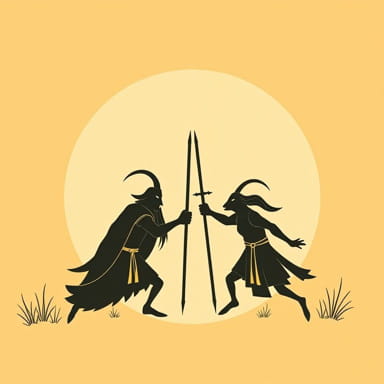
In Miguel de Cervantes’s classic novel Don Quixote, many encounters reveal the complexities of human nature, social class, and mistaken identity. One memorable episode is the fight between Don Quixote and a goatherd, a seemingly simple rural figure. This conflict, while humorous on the surface, is layered with thematic significance and reflects deeper elements such as pride, honor, misunderstandings, and the clash between idealism and reality. Understanding what causes the goatherd and Don Quixote to fight sheds light not only on their characters but also on Cervantes’s broader social commentary.
Context of the Fight
The fight between Don Quixote and the goatherd occurs during one of Don Quixote’s many wandering adventures across the Spanish countryside. As a knight-errant, Don Quixote’s mission is to defend the helpless and uphold chivalric ideals, though these ideals are often out of step with the real world. The goatherd, on the other hand, represents a practical, grounded figure connected with everyday rural life. This encounter symbolizes a collision of two worlds the lofty imagination of Don Quixote and the pragmatic reality of common folk.
Initial Cause A Misunderstanding
The immediate cause of the fight is a misunderstanding rooted in Don Quixote’s skewed perception of the world. The goatherd, minding his flock, unwittingly becomes the subject of Don Quixote’s suspicion. Don Quixote mistakes the goatherd’s innocent actions or words as insults or challenges to his honor and knightly mission.
- Don Quixote interprets the goatherd’s behavior through the lens of chivalry and conflict.
- The goatherd’s lack of familiarity with courtly manners and ideals contributes to the misinterpretation.
- This misunderstanding quickly escalates into a physical confrontation fueled by pride.
The Role of Pride and Honor
Central to the fight is the theme of pride. Don Quixote, who views himself as a noble knight, is highly sensitive to perceived slights against his honor. Any slight, real or imagined, must be answered with bravery and defense of his reputation. The goatherd’s rustic bluntness inadvertently challenges this self-image, prompting Don Quixote to assert his dignity through combat.
Don Quixote’s Idealism Versus the Goatherd’s Practicality
Don Quixote’s idealism demands that he act according to the code of knighthood, which includes defending oneself against insults. Meanwhile, the goatherd, as a practical man, likely views Don Quixote as a foolish figure acting out absurd fantasies. Their conflicting worldviews add tension to the encounter
- Don Quixote fights to uphold chivalric values, even when they seem outdated or irrelevant.
- The goatherd is more concerned with his daily tasks and survival than with honor codes.
- This difference in perspective causes them to misjudge each other’s intentions.
Symbolism of the Fight
The clash between Don Quixote and the goatherd symbolizes more than just a physical altercation. It reflects Cervantes’s critique of social hierarchies and the absurdity of outdated ideals. The fight exposes how rigid adherence to idealism can create conflict in a world governed by practicality and simple human needs.
The Social Divide
The fight also underscores the social divide between nobility and commoners. Don Quixote, a gentleman who dreams of chivalry, stands against a goatherd representing the lower social class. This interaction points to the friction that arises when lofty ideals confront everyday reality
- Don Quixote’s self-image is tied to aristocratic values and the notion of noble behavior.
- The goatherd embodies the straightforwardness and skepticism of rural life.
- The confrontation highlights misunderstandings between classes and cultural attitudes.
Consequences and Resolution
Despite the intensity of their fight, the conflict is temporary and ultimately humorous, characteristic of Cervantes’s style. Don Quixote’s adventures are filled with such episodes where reality gently deflates his fantasies. The fight with the goatherd ends with no lasting harm, but it teaches the reader important lessons about humility and perspective.
The Lesson Behind the Conflict
The fight serves as a narrative device to illustrate how pride and rigid beliefs can lead to unnecessary conflict. It encourages readers to recognize the value of empathy, understanding, and flexibility in human interactions. Don Quixote’s inability to see beyond his own idealism results in needless strife, while the goatherd’s practical mindset prevents the fight from escalating further.
What Causes the Fight?
The fight between the goatherd and Don Quixote arises from a combination of misunderstanding, clashing worldviews, and pride. Don Quixote’s commitment to his chivalric identity leads him to perceive the goatherd’s innocent actions as personal attacks. The goatherd’s pragmatic outlook, shaped by his simple rural life, contrasts sharply with Don Quixote’s idealistic fantasies, intensifying the conflict. This encounter exemplifies the broader themes of Don Quixote the tension between reality and illusion, social class differences, and the dangers of inflexible thinking. By exploring the causes of this fight, readers gain insight into the rich layers of Cervantes’s masterpiece and the timeless human experiences it portrays.