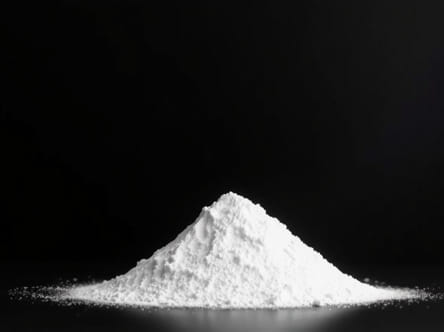
Calcium polystyrene sulphonate powder is a specialized medication commonly used to manage elevated potassium levels in the blood, a condition known as hyperkalemia. Hyperkalemia can be dangerous if left untreated, as it can interfere with normal heart function and lead to serious complications, including arrhythmias or cardiac arrest. Calcium polystyrene sulphonate works by binding potassium in the intestines and helping the body remove it through the digestive tract. This medication is particularly important for patients with chronic kidney disease or those taking medications that increase potassium levels, as these individuals are at higher risk of hyperkalemia.
Mechanism of Action
Calcium polystyrene sulphonate is a type of cation-exchange resin. Its mechanism of action involves exchanging calcium ions for potassium ions in the gastrointestinal tract. As the resin passes through the intestines, it binds potassium, reducing its absorption into the bloodstream and promoting its excretion via feces. This process effectively lowers blood potassium levels and helps maintain electrolyte balance in patients prone to hyperkalemia.
Key Points of Mechanism
- Binds potassium ions in the intestine.
- Releases calcium ions in exchange for potassium.
- Facilitates removal of potassium through fecal excretion.
- Helps maintain normal cardiac and muscular function by controlling potassium levels.
Clinical Uses
Calcium polystyrene sulphonate powder is primarily used for the management of hyperkalemia. This condition is often observed in patients with chronic kidney disease, heart failure, or those taking medications such as ACE inhibitors, angiotensin receptor blockers, or potassium-sparing diuretics, which can increase potassium retention. The medication can be used for both acute management and long-term control of elevated potassium levels, depending on the severity of the condition.
Specific Indications
- Chronic kidney disease patients at risk of hyperkalemia.
- Individuals on potassium-increasing medications.
- Acute hyperkalemia requiring stabilization of potassium levels.
- Patients with heart failure who may have impaired potassium excretion.
Administration and Dosage
Calcium polystyrene sulphonate powder is usually administered orally after dissolving it in water or another suitable liquid. The dosage depends on the patient’s potassium levels, kidney function, and overall health status. In some cases, the powder may be administered rectally as a suspension for faster action. Regular monitoring of blood potassium levels is essential during treatment to ensure effectiveness and avoid potential side effects such as hypokalemia, or abnormally low potassium levels.
Guidelines for Proper Use
- Follow the exact dosage prescribed by a healthcare professional.
- Mix the powder thoroughly in water or as instructed before consumption.
- Maintain a consistent schedule to manage potassium levels effectively.
- Monitor kidney function and electrolyte balance regularly.
Potential Side Effects
While calcium polystyrene sulphonate is generally safe when used as prescribed, some patients may experience side effects. Gastrointestinal issues are the most common, including constipation, diarrhea, nausea, and abdominal discomfort. Rarely, severe complications such as intestinal obstruction or colonic necrosis may occur, particularly in patients with preexisting gastrointestinal disorders or those taking the medication for prolonged periods.
Common Side Effects
- Constipation or diarrhea
- Abdominal cramps and discomfort
- Nausea or vomiting
Serious Side Effects
- Intestinal obstruction or perforation
- Colonic necrosis (rare but severe)
- Hypokalemia if potassium levels drop too low
Precautions and Contraindications
Before using calcium polystyrene sulphonate powder, patients should inform their healthcare provider about any preexisting conditions, allergies, or medications they are taking. The medication should be used with caution in individuals with gastrointestinal disorders, such as constipation, bowel obstruction, or inflammatory bowel disease. It is also contraindicated in patients with low blood calcium levels or severe hypokalemia, as the drug may exacerbate these conditions.
- Inform your doctor about kidney and heart conditions.
- Avoid use in cases of bowel obstruction or severe constipation.
- Monitor blood calcium and potassium levels regularly.
- Discuss all medications to avoid potential interactions.
Interactions with Other Medications
Calcium polystyrene sulphonate may interact with other medications, affecting their absorption or efficacy. Drugs such as digoxin, certain antibiotics, and thyroid medications may have reduced absorption when taken alongside the powder. To minimize interactions, it is often recommended to separate the administration of calcium polystyrene sulphonate from other oral medications by several hours. Healthcare providers should review all medications before initiating therapy to ensure safe use.
Benefits of Calcium Polystyrene Sulphonate
When used appropriately, calcium polystyrene sulphonate powder provides several benefits for patients at risk of hyperkalemia. By controlling potassium levels, it reduces the risk of cardiac complications, stabilizes overall electrolyte balance, and allows patients with chronic kidney disease or heart failure to maintain better health. The powder form is convenient for oral administration, and its rectal use option allows for flexibility in managing acute potassium elevations.
- Effective management of high potassium levels
- Prevention of cardiac complications associated with hyperkalemia
- Flexible administration routes for both chronic and acute cases
- Supports overall electrolyte balance in at-risk patients
Calcium polystyrene sulphonate powder is a vital medication for the management of hyperkalemia, particularly in patients with kidney disease, heart failure, or those taking medications that elevate potassium levels. Its ability to bind potassium in the gastrointestinal tract and facilitate excretion makes it an effective and life-saving treatment. While generally safe, careful monitoring of electrolyte levels, adherence to dosage instructions, and awareness of potential side effects are essential for optimal outcomes. With proper use, calcium polystyrene sulphonate powder helps patients maintain normal potassium levels, prevent dangerous complications, and improve overall health and safety.
Word count ~1020