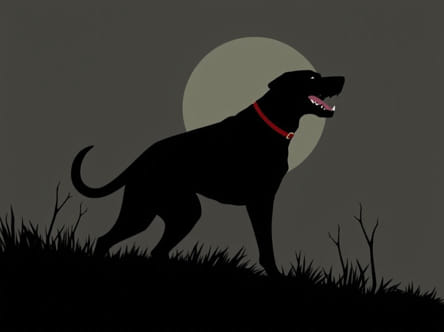
In the mist-covered moors of Devonshire, where every footstep echoes with stories of ancient curses and hidden truths, there lingers a tale that chills even the bravest soul. The Revenge of the Baskerville Bloodhound is not just a continuation of a gothic mystery it is a gripping narrative of vengeance, secrets, and the inescapable shadow of the past. The story delves deep into the legacy of the infamous Hound of the Baskervilles, revealing that some curses never die, and that bloodlines are not so easily freed from doom. The chilling winds that sweep through Baskerville Hall whisper a tale of betrayal and justice, cloaked in superstition and the relentless pursuit of truth.
The Haunting Legacy of the Baskervilles
Generations after the original legend of the supernatural hound was supposedly put to rest, a new terror stalks the moors. Locals speak of a beast even more fearsome than its predecessor sleeker, faster, and guided not by myth, but by a very human thirst for revenge. The Baskerville name, long thought to have regained its honor, is once again stained with blood and fear.
A New Era, an Old Curse
Sir Charles Baskerville III, a modern descendant, has worked tirelessly to restore the family’s reputation. He has invested in the community, opened the estate to scholars, and dismissed the idea of curses. Yet, one cold October night, he vanishes without a trace. All that is found is a torn scrap of fabric and paw prints larger than any known hound’s prints that vanish at the edge of the Grimpen Mire.
The Arrival of a Reluctant Investigator
Enter Julian Rook, a former criminal profiler turned reclusive author, known for his skepticism of the supernatural and his brilliance in uncovering hidden motives. Rook is drawn to the Baskerville estate not by belief in curses, but by the logic-defying clues that suggest a mind as sharp as his own is orchestrating the terror.
The First Clues and the Shadowed Truth
As Rook investigates, he uncovers a web of secrets within the Baskerville household. Servants speak in hushed tones, villagers avoid the estate after dark, and ancient manuscripts hint at a deeper betrayal buried in the bloodline. It becomes clear that the original tale of the hound was only the surface of a deeper, darker truth. This is not just a ghost story it is a tale of calculated revenge born from centuries of resentment.
The Bloodhound Unleashed
The so-called bloodhound is no spectral beast. It is a carefully trained dog, crossbred for size and aggression, under the control of a mysterious figure whose knowledge of the estate and its history is frighteningly precise. The beast is real but its menace is heightened by how it’s used, appearing at moments of fear and confusion to enforce silence or eliminate witnesses.
The Mind Behind the Monster
Rook’s investigation leads him to uncover a hidden lineage. A forgotten cousin, raised in secrecy, abandoned due to a family scandal, has returned. This individual, consumed by bitterness, believes the Baskerville name should be obliterated, not redeemed. The bloodhound is their weapon not just against the family, but against the legacy that cast them out.
A Battle of Wits and Instinct
The climax of the story is a chilling game of intellect and survival, as Rook must not only evade the bloodhound but outmaneuver its master. In a scene rich with atmosphere, fog coils around the moor as Rook pieces together the final part of the puzzle an old shepherd’s diary that reveals the location of a long-buried trapdoor beneath Baskerville Hall.
The Trap and the Truth
Rook sets a counter-trap, using the estate’s history and secret passages to corner the antagonist and reveal the bloodhound’s lair. What he uncovers is not just a plot of revenge, but a chilling commentary on inheritance, justice, and how deeply pain can linger across generations. The antagonist, though defeated, forces Rook to question whether evil is born, created, or inherited.
The Aftermath and Unanswered Questions
With the villain apprehended and the bloodhound destroyed, peace seems to return to Baskerville Hall. But for Rook, and for the readers who follow his journey, questions remain. What truly makes a family? Is revenge ever justified when wrongs go unaddressed for so long? The tale ends not with triumph, but with uneasy reflection.
The Enduring Power of Storytelling
The Revenge of the Baskerville Bloodhound endures because it does more than continue a famous tale it reinvents it. It forces a new generation of readers to confront the monsters they inherit, both real and imagined. It takes the gothic setting of the English countryside and infuses it with modern psychological complexity, blurring the lines between folklore and reality.
Why the Baskerville Legend Still Matters
- Psychological DepthThe story explores themes of abandonment, vengeance, and the desperate need for identity.
- Atmospheric SettingThe foggy moors and ancient mansion evoke a sense of isolation and dread.
- Modern InterpretationIt connects a classic tale with contemporary questions about mental health, justice, and family legacy.
- SymbolismThe bloodhound is not just a creature it represents the weight of generational guilt and retribution.
Final Thoughts
The power of The Revenge of the Baskerville Bloodhound lies in its ability to make old stories new again. It asks readers not just to fear the hound, but to understand what drives it, who commands it, and why its revenge feels so personal. With haunting prose and a narrative that balances suspense with emotional depth, this tale reminds us that some legends return because their lessons remain unlearned.