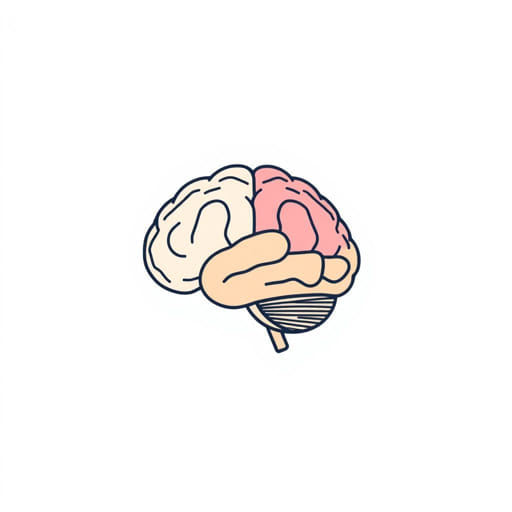
The human brain is one of the most complex and fascinating organs in the body, responsible for controlling all bodily functions, processing information, and enabling thought, memory, and emotions. Understanding the different parts of the brain is essential for studying neuroscience, medicine, and psychology, as each region performs specific roles that are crucial for survival and daily functioning. The brain consists of multiple interconnected structures that work together to regulate movement, perception, cognition, and behavior. By exploring the main parts of the brain and their functions, we can gain a deeper appreciation of how the nervous system orchestrates life and how injuries or diseases affecting these areas can impact health.
The Cerebrum
The cerebrum is the largest part of the brain and is responsible for higher-order brain functions such as thought, reasoning, and voluntary movement. It is divided into two hemispheres, the left and right, each controlling opposite sides of the body. The cerebrum is covered by a folded layer called the cerebral cortex, which increases surface area and allows for complex processing of information.
Lobes of the Cerebrum
The cerebrum is divided into four main lobes, each with specialized functions
- Frontal LobeLocated at the front of the brain, this lobe is involved in decision-making, problem-solving, planning, voluntary movement, and speech production. It plays a key role in personality and emotional regulation.
- Parietal LobeSituated behind the frontal lobe, it processes sensory information such as touch, temperature, pain, and spatial awareness. It integrates sensory input to help the body respond to the environment.
- Occipital LobeFound at the back of the brain, this lobe is primarily responsible for visual processing. It interprets information from the eyes and helps us recognize shapes, colors, and motion.
- Temporal LobeLocated on the sides of the brain near the ears, it is crucial for auditory perception, memory, and language comprehension. It also plays a role in emotion and learning.
The Cerebellum
The cerebellum is located beneath the cerebrum and behind the brainstem. Although smaller in size, it contains a dense concentration of neurons and is essential for coordinating movement, balance, and posture. The cerebellum receives input from the sensory systems and the spinal cord, integrating this information to fine-tune motor activity. Damage to the cerebellum can result in tremors, loss of coordination, and difficulty maintaining equilibrium.
The Brainstem
The brainstem connects the brain to the spinal cord and controls many automatic functions that are vital for life. It regulates heart rate, breathing, blood pressure, digestion, and sleep-wake cycles. The brainstem is divided into three main parts
- MidbrainLocated at the top of the brainstem, it plays a role in vision, hearing, eye movement, and body movement. It also helps relay signals between the brain and the spinal cord.
- PonsSituated below the midbrain, the pons acts as a bridge between different parts of the nervous system. It assists in controlling breathing, facial expressions, and sleep regulation.
- Medulla OblongataFound at the base of the brainstem, it controls vital involuntary functions such as heartbeat, breathing, and blood pressure. It is critical for survival and connects the brain with the spinal cord.
The Limbic System
The limbic system is a group of interconnected structures located deep within the brain. It is often referred to as the emotional center of the brain because it regulates emotions, memory, and motivation. Key components of the limbic system include
- AmygdalaInvolved in processing emotions such as fear, anger, and pleasure. It helps the body respond to threats and stressful situations.
- HippocampusCrucial for forming new memories and connecting emotions to experiences. It plays a major role in learning and spatial navigation.
- HypothalamusRegulates homeostasis by controlling hunger, thirst, body temperature, sleep, and hormone production. It also influences emotional responses.
- ThalamusActs as a relay station, transmitting sensory information from the body to the cerebral cortex. It also helps coordinate motor functions and regulate consciousness.
The Ventricular System
The brain contains a network of cavities known as ventricles, which are filled with cerebrospinal fluid (CSF). The ventricular system consists of the lateral ventricles, third ventricle, and fourth ventricle. CSF cushions the brain, provides nutrients, removes waste, and maintains intracranial pressure. This system is crucial for protecting the brain from injury and supporting its metabolic functions.
Protective Structures of the Brain
In addition to its functional parts, the brain is protected by several physical structures
- SkullThe bony structure that encases the brain and provides a rigid barrier against mechanical damage.
- MeningesThree layers of connective tissue (dura mater, arachnoid mater, and pia mater) that protect the brain and spinal cord.
- Cerebrospinal FluidCushions the brain within the skull, provides nutrients, and removes waste products.
Integration of Brain Functions
All parts of the brain work together to maintain homeostasis, facilitate cognition, and enable interaction with the environment. Sensory information is collected, processed, and interpreted by various brain regions, leading to appropriate responses. For example, the occipital lobe processes visual input, which is integrated with motor control areas in the cerebellum and frontal lobe to coordinate movement. Similarly, emotional responses from the limbic system influence decision-making in the frontal lobe, demonstrating the brain’s interconnectedness and complexity.
The human brain is a highly organized and complex organ composed of multiple interconnected parts, each with specific functions that contribute to overall health and cognition. The cerebrum governs higher cognitive functions, the cerebellum coordinates movement, the brainstem manages essential involuntary activities, and the limbic system regulates emotions and memory. Protective structures such as the skull, meninges, and cerebrospinal fluid ensure the brain’s safety while supporting its functions. By understanding the parts of the brain and their roles, scientists and medical professionals can better study neurological disorders, develop treatments, and explore the mechanisms underlying human behavior, learning, and consciousness. This comprehensive understanding highlights the remarkable sophistication of the brain and its essential role in sustaining life and enabling complex thought.