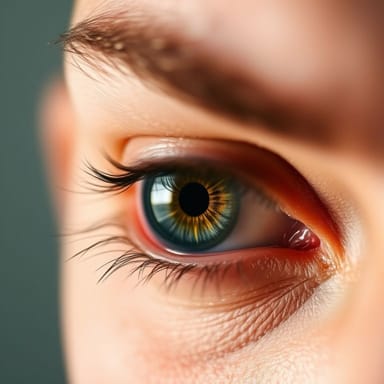
Experiencing pain and blurriness in one eye can be alarming, especially when the symptoms appear suddenly. Vision is one of the most vital senses, and any disturbance may interfere with daily activities such as reading, driving, or even recognizing faces. While mild discomfort in the eye may sometimes be caused by fatigue or dryness, a combination of pain and blurry vision in one eye could indicate an underlying medical condition that requires prompt attention. Understanding the possible causes, related symptoms, and available treatment options can help individuals take the right steps to protect their eye health.
Common Causes of Pain and Blurriness in One Eye
Several eye conditions can lead to discomfort and impaired vision. The severity of the problem can range from minor irritation to serious issues that may threaten vision if left untreated. Below are some of the most common causes
Dry Eye Syndrome
When the eyes do not produce enough tears or the tears evaporate too quickly, it can lead to dryness, irritation, and blurred vision. Dry eye syndrome usually affects both eyes, but in some cases, one eye may feel worse than the other.
Eye Infections
Bacterial, viral, or fungal infections can cause pain, redness, and blurred vision. Conditions such as conjunctivitis or keratitis often present with noticeable discomfort in one eye, along with sensitivity to light.
Corneal Abrasion
A scratch on the cornea, often from dust, contact lenses, or foreign ptopics, can cause sharp pain and blurred vision in the affected eye. Corneal abrasions usually heal with proper care but may become infected if ignored.
Uveitis
This condition involves inflammation of the uvea, the middle layer of the eye. It can cause pain, redness, sensitivity to light, and blurred vision. Uveitis often affects only one eye and requires medical treatment to prevent complications.
Glaucoma
Acute angle-closure glaucoma is a medical emergency that can present with sudden pain and blurred vision in one eye. It may also cause halos around lights, nausea, and headache. Immediate treatment is crucial to prevent permanent vision loss.
Optic Neuritis
Inflammation of the optic nerve can cause blurred vision, pain when moving the eye, and sometimes color vision changes. Optic neuritis is often linked to autoimmune conditions and requires medical evaluation.
Migraine with Aura
Some migraines affect vision and may cause temporary blurred vision in one eye, along with pain in and around the eye. This visual disturbance usually resolves after the migraine subsides.
Symptoms That May Accompany Pain and Blurred Vision
Understanding related symptoms can help narrow down possible causes. Paying attention to these signs is essential when describing the problem to a healthcare professional.
- Redness or swelling in the affected eye
- Sensitivity to light (photophobia)
- Tearing or watery eyes
- Headache or nausea
- Halos around lights
- Difficulty focusing on objects
- Discharge or crusting around the eyelid
When these symptoms appear alongside eye pain and blurriness, it is advisable to seek medical evaluation to identify the underlying cause.
When to Seek Immediate Medical Help
Not all cases of eye discomfort require urgent care, but certain warning signs should never be ignored. Seek emergency medical help if you experience
- Sudden, severe eye pain
- Rapid loss of vision in one eye
- Flashes of light or new floaters
- Headache with nausea and eye pain
- Eye injury or chemical exposure
These could indicate serious conditions such as acute glaucoma, retinal detachment, or optic nerve damage, all of which require immediate intervention.
Diagnosis of Pain and Blurred Vision in One Eye
A proper diagnosis begins with a thorough eye examination. An ophthalmologist or optometrist may use several techniques to determine the cause of the symptoms
- Visual acuity test to measure sharpness of vision
- Slit-lamp examination to check the cornea and lens
- Eye pressure measurement to rule out glaucoma
- Dilated eye exam to examine the retina and optic nerve
- Imaging tests such as optical coherence tomography (OCT)
In some cases, blood tests or neurological evaluations may be necessary if the problem is linked to autoimmune conditions or nerve-related issues.
Treatment Options
The treatment for pain and blurriness in one eye depends on the underlying condition. Some cases resolve quickly with simple care, while others require prescription medication or surgical intervention.
Medications
- Antibiotic or antiviral eye drops for infections
- Steroid drops for inflammation such as uveitis
- Pain-relieving eye drops for corneal abrasions
- Glaucoma medications to reduce eye pressure
Lifestyle and Home Remedies
- Artificial tears for dry eye relief
- Warm compresses to ease irritation
- Resting the eyes and avoiding excessive screen use
- Wearing protective eyewear to prevent injuries
Surgical and Advanced Treatments
In severe cases, surgical options may be necessary. For example, acute glaucoma may require laser treatment, while retinal detachments often need urgent surgery. Corneal transplants may be considered if damage is extensive.
Prevention and Eye Care Tips
Maintaining good eye health can help reduce the risk of developing painful and blurry vision in one eye. Preventive measures include
- Scheduling regular eye exams, especially after age 40
- Wearing sunglasses to protect from UV rays
- Using lubricating drops to avoid dryness
- Following safe practices with contact lenses
- Maintaining good control of chronic conditions such as diabetes
Living With Recurrent Eye Discomfort
For individuals who frequently experience eye pain and blurriness, long-term management may be necessary. This can include ongoing medication, lifestyle adjustments, or routine monitoring by an eye specialist. Keeping a symptom diary may also help track triggers such as stress, allergies, or screen time.
Pain and blurriness in one eye should never be overlooked, as they can signal a range of conditions from minor irritations to serious vision-threatening diseases. Identifying the cause early and seeking the right treatment can protect long-term eye health. Whether caused by infections, inflammation, or more serious issues like glaucoma, proper diagnosis and timely care are the keys to preserving clear vision and comfort. Protecting the eyes with preventive habits and staying alert to sudden changes ensures better chances of maintaining healthy sight throughout life.