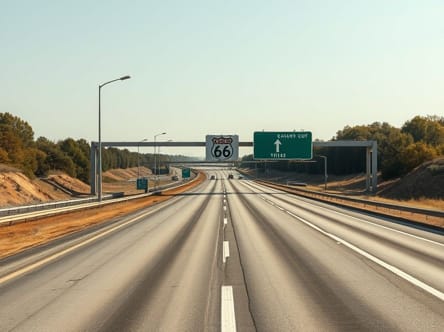
Outside the Beltway 66 refers to the stretch of Interstate 66 (I-66) that lies beyond the Capital Beltway, which is Interstate 495 (I-495) encircling Washington, D.C. This portion of I-66 runs westward into Northern Virginia and plays a vital role in the region’s transportation network. It connects the suburbs and exurbs to the nation’s capital, facilitating commuter traffic, freight movement, and access to regional destinations. Understanding the geography, usage, and significance of I-66 outside the Beltway helps clarify how this corridor shapes life, work, and travel in the broader Washington, D.C. metropolitan area.
What Is the Capital Beltway?
The Capital Beltway (I-495) is a circular highway that surrounds Washington, D.C., passing through Maryland and Virginia. It is a major hub for regional and interstate traffic. The term outside the Beltway” is commonly used to describe areas beyond this ring road, often indicating suburbs and semi-rural communities. I-66 intersects with I-495 near Dunn Loring, Virginia, and from that point westward, the route is known as I-66 outside the Beltway.
Overview of I-66 Outside the Beltway
Interstate 66 extends from Washington, D.C. to Interstate 81 in Middletown, Virginia. The segment outside the Beltway begins roughly at the I-495 interchange and continues west through Fairfax, Prince William, and Fauquier counties, ending at I-81. This corridor serves as a major commuter route, especially for those who live in Northern Virginia and work in the D.C. metropolitan area.
Major Cities and Towns Along the Corridor
- Fairfax
- Centreville
- Manassas
- Gainesville
- Haymarket
- Warrenton
Each of these communities has grown substantially in recent decades, fueled in part by the accessibility that I-66 provides to the Washington, D.C. urban core.
Traffic and Commuting Patterns
Outside the Beltway 66 is heavily used by daily commuters traveling from Virginia suburbs into Washington, D.C. Traffic volume is highest during weekday rush hours, and the corridor is known for its congestion, particularly eastbound in the mornings and westbound in the evenings.
To help alleviate traffic, several transportation solutions have been implemented along I-66 outside the Beltway
- Express LanesToll-based lanes that provide faster travel times during peak hours
- HOV LanesHigh Occupancy Vehicle lanes that encourage carpooling
- Park-and-Ride LotsFacilities that support bus services and carpooling options
- Public Transit AccessConnections to the Washington Metropolitan Area Transit Authority (WMATA)
Despite these efforts, traffic congestion remains a central issue, prompting further infrastructure investments and land-use planning initiatives.
Transform I-66 Project
In response to long-standing traffic challenges, Virginia launched the Transform I-66 Outside the Beltway project, a public-private partnership aimed at modernizing the corridor. The multi-billion-dollar project includes road widening, new express lanes, improved interchanges, expanded commuter parking, and enhanced bicycle and pedestrian facilities.
Project Highlights
- 22.5 miles of new express lanes between I-495 and Gainesville
- Reconstruction of interchanges for smoother traffic flow
- Addition of new park-and-ride lots to reduce single-occupancy vehicles
- Enhanced technology for dynamic toll pricing and real-time traffic monitoring
The project aims to create a more flexible and efficient transportation corridor that adapts to changing traffic patterns while supporting economic growth in Northern Virginia.
Economic and Development Impacts
I-66 outside the Beltway has spurred commercial and residential development along its path. As accessibility has improved, once-rural areas have transformed into bustling suburban communities. Shopping centers, business parks, and housing developments now line the corridor, particularly in Prince William and Fairfax counties.
This development has contributed to job growth and increased property values, but it has also raised concerns about sprawl, environmental impact, and infrastructure strain. Planning agencies in Northern Virginia continue to balance growth with sustainability, using I-66 as a backbone for future regional development strategies.
Environmental Considerations
Highway projects, especially those involving expansion, can have significant environmental impacts. The I-66 corridor outside the Beltway passes through forested areas, wetlands, and watersheds. Environmental reviews have been a key part of project planning, including studies related to
- Air quality and emissions from increased traffic
- Stormwater management and runoff control
- Wildlife habitat protection
- Noise pollution mitigation near residential zones
Efforts have been made to include green infrastructure, sound barriers, and habitat preservation in the corridor’s design to reduce long-term ecological disruption.
Public Transit Integration
To reduce dependency on private vehicles, planners have incorporated public transit options along I-66 outside the Beltway. Bus Rapid Transit (BRT) services and dedicated lanes for transit vehicles are part of the long-term vision. Park-and-ride lots serve as key nodes for commuters who wish to use public buses or carpool into Washington, D.C.
Commuter Options
- OmniRide commuter buses serving Prince William and Fairfax
- Connections to Vienna/Fairfax-GMU Metro station
- Potential future BRT routes under evaluation
Integrating mass transit is essential for reducing vehicle congestion and supporting environmentally friendly commuting options for the growing suburban population.
Challenges and Future Outlook
Managing the I-66 corridor outside the Beltway involves navigating multiple challenges, including traffic volume, funding, land acquisition, and community impact. While recent infrastructure upgrades have improved mobility, long-term solutions must address changing demographics, environmental resilience, and economic equity.
Looking ahead, transportation planners anticipate that smart technology, electric vehicles, and regional cooperation will play key roles in shaping the future of the corridor. There is also growing interest in adopting sustainable urban design and encouraging mixed-use developments along I-66 to reduce travel needs and promote walkable communities.
Outside the Beltway 66 is more than just a road it is a dynamic corridor that reflects the growth, complexity, and opportunity of Northern Virginia. From its geographic span across major suburbs to its role in daily commuting and regional development, this section of I-66 shapes how people live, work, and travel in the greater Washington, D.C. area. Infrastructure projects like Transform I-66 are transforming the corridor into a more efficient and multi-modal route, aiming to meet the evolving demands of residents and businesses alike. As challenges persist, collaboration between planners, residents, and policymakers will be crucial in guiding the future of I-66 outside the Beltway toward a sustainable and connected vision.