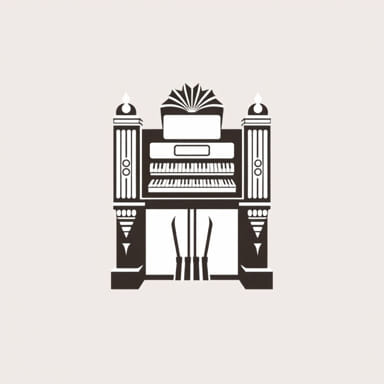
Tucked away in the heart of Pennsylvania at Knoebels Amusement Resort lies a musical treasure that has charmed generations the Knoebels Wurlitzer 165 Band Organ. This grand instrument is not just an attraction; it is a living piece of American entertainment history. With its vibrant melodies and ornate design, the Wurlitzer 165 brings nostalgic joy to visitors who wander near the Grand Carousel. Its unmistakable sound floats through the park, calling back to an era when mechanical music was a centerpiece of the amusement experience.
The History of the Wurlitzer 165 Band Organ
Origins of the Wurlitzer company
The Rudolph Wurlitzer Company, founded in the mid-1800s, became synonymous with quality musical instruments. By the early 20th century, they were producing band organs self-playing instruments designed to accompany carousels and fairground rides. Among the most majestic of these creations was the Wurlitzer Style 165, introduced around 1914. Only a few dozen were ever made, making it a rare and valuable piece of mechanical music heritage.
The 165 model’s unique features
The Wurlitzer 165 Band Organ stands out for its rich, layered sound and its grand physical presence. Measuring over 12 feet wide and housing dozens of pipes, drums, cymbals, and bells, it was crafted to produce a full orchestral experience. Unlike smaller models, the 165 could fill large spaces with its sound, making it ideal for outdoor amusement venues. The organ plays using perforated paper rolls, which control the complex sequences of notes and instrumentation.
The Journey to Knoebels
How Knoebels acquired the organ
Knoebels Amusement Resort, known for preserving classic attractions, acquired the Wurlitzer 165 as part of its mission to maintain the charm of traditional amusement parks. The organ was restored and installed near the Grand Carousel, where it continues to entertain guests today. Its acquisition helped solidify Knoebels’ reputation not only as a fun family destination but also as a guardian of vintage amusement history.
Restoration and preservation
Restoring a century-old band organ is no simple task. Knoebels partnered with expert technicians and historians to ensure that the instrument retained its authentic sound and appearance. Every wooden pipe, roll mechanism, and ornamental detail was carefully repaired or recreated to match the original. The park continues to maintain the organ regularly, recognizing its value as a living artifact.
Mechanical Marvel of Music
How the band organ works
The Wurlitzer 165 operates using a pneumatic system that reads holes in a paper music roll. Each hole corresponds to a note or instrument action, which triggers bellows to send air through pipes or activate percussion instruments. The result is a seamless musical performance that mimics a full band, complete with melody, harmony, rhythm, and dynamics all without a single live performer.
Paper rolls and music selections
The organ plays from a library of paper rolls that feature a wide variety of tunes, including marches, waltzes, and popular songs from the early 20th century. These rolls are specially cut for the 165 model and can be swapped out to refresh the repertoire. Enthusiasts often visit Knoebels just to hear a particular tune played in glorious mechanical detail.
Cultural Significance of the Knoebels Wurlitzer 165
Connection to carousel music
Band organs like the Wurlitzer 165 were originally built to accompany carousels, their lively music timed to the rise and fall of wooden horses. At Knoebels, the organ plays beside the park’s historic Grand Carousel, creating an immersive experience where sound and motion work together. This fusion is a rare and authentic example of how amusement was once designed to delight all the senses.
Educational value
For younger visitors and those unfamiliar with mechanical music, the Wurlitzer 165 serves as a fascinating educational tool. It demonstrates pre-digital automation, acoustic sound production, and the craftsmanship of early 20th-century engineering. The organ is often featured in special presentations where its inner workings are explained, offering insight into a form of music that predates electricity and modern electronics.
Fan Community and Band Organ Enthusiasts
Organ societies and preservation groups
The Knoebels Wurlitzer 165 is well known among members of the Mechanical Music Digest and other enthusiast groups. These communities are dedicated to preserving mechanical musical instruments and often visit parks like Knoebels to see these relics in action. Enthusiasts discuss roll libraries, restoration techniques, and the history of instruments like the 165, keeping the knowledge alive for future generations.
Events and special performances
Occasionally, Knoebels hosts events where multiple band organs are played, and collectors bring their portable models for display. These gatherings celebrate the artistry and nostalgia of mechanical music. The Wurlitzer 165 often takes center stage during these events, drawing admiration for its powerful sound and historical value.
Modern-Day Relevance and Enduring Charm
Blending history with fun
At a time when digital entertainment dominates, the Knoebels Wurlitzer 165 offers something refreshingly tactile and authentic. Its continued presence in the park reminds visitors that joy doesn’t always come from screens or speakers. The warm, resonant tones of the organ speak to a universal love of music and craftsmanship that transcends time.
Why it still matters today
The band organ is more than a background soundtrack it is part of the Knoebels experience. It helps create a timeless atmosphere, enhances the park’s nostalgic charm, and anchors the carousel in its historical context. For many visitors, hearing the Wurlitzer 165 play is a moment of magic that connects them to generations past. It also shows the park’s commitment to preserving unique and irreplaceable pieces of entertainment heritage.
The Knoebels Wurlitzer 165 Band Organ is a musical time capsule, echoing the joy and ingenuity of a bygone era. With its ornate façade, booming melodies, and intricate mechanics, it continues to captivate audiences young and old. As amusement parks evolve, pieces like the Wurlitzer 165 remind us of the timeless value of music made by hands and wind rather than wires and code. It stands not just as a beautiful machine, but as a vibrant storyteller from the golden age of American amusements. Whether you’re a music lover, a history enthusiast, or just a curious park-goer, the sound of this remarkable instrument is bound to leave an impression that lingers long after the final note fades.