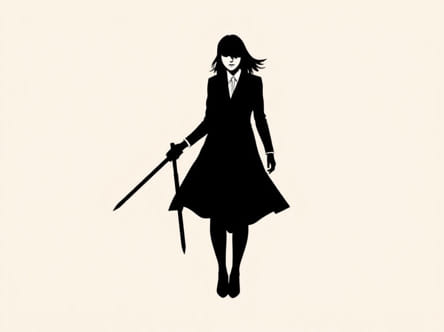
For fans of Quentin Tarantino, Kill Bill The Whole Bloody Affair is more than just a film it’s a cinematic experience that represents the director’s original vision in its entirety. Released as a single uncut version, this edition merges Kill Bill Vol. 1 and Vol. 2 into one seamless narrative, restoring previously unseen footage and presenting the story as it was initially intended. Tarantino’s signature storytelling, stylized violence, and cultural homages are on full display, making The Whole Bloody Affair a must-watch for any film lover seeking the full Kill Bill experience.
Understanding Kill Bill The Whole Bloody Affair
Originally, Kill Bill was conceived as a single epic movie. However, due to its long runtime over four hours it was split into two volumes for its theatrical release in 2003 and 2004. While both volumes received acclaim, some fans and critics felt that the split interrupted the story’s momentum. The Whole Bloody Affair restores the film’s full scope, creating a more cohesive and uninterrupted narrative arc for The Bride’s revenge journey.
A Seamless Narrative
In The Whole Bloody Affair, the story flows without the chapter breaks and credits that marked the end of Volume 1 and the beginning of Volume 2. It opens with the iconic black-and-white wedding chapel massacre and follows The Bride played by Uma Thurman through her blood-soaked mission to eliminate the Deadly Viper Assassination Squad. Without interruptions, the pacing feels more natural, and the character development gains emotional weight.
Key Differences from the Two-Volume Release
While most of the content remains the same as in the original releases, The Whole Bloody Affair includes several notable changes that make it unique and worth revisiting.
- House of Blue Leaves SceneIn Volume 1, this fight was shown in black and white to secure an R-rating. In The Whole Bloody Affair, it’s presented in full color, showcasing the gore and choreography in vivid detail.
- Extended AnimationThe anime sequence that tells the story of O-Ren Ishii’s tragic past is longer and more intense in this version.
- Chapter TransitionsThe removal of credits and opening sequences from each volume allows the story to unfold more fluidly.
- Added DialogueSome additional lines and exchanges give characters more depth, particularly in emotional scenes.
Visual and Musical Enhancements
With fewer censorship limitations, The Whole Bloody Affair feels bolder and more in line with Tarantino’s stylistic intentions. The film’s music, ranging from classic rock to Japanese pop, enhances each scene’s mood without being interrupted by intermissions. The color correction and editing also appear slightly refined, contributing to a more immersive visual experience.
Why It Matters for Tarantino Fans
Tarantino’s filmography is known for its meticulous attention to detail, nonlinear storytelling, and cultural homage. The Whole Bloody Affair exemplifies all of these qualities in a more concentrated form. It is arguably the most complete Tarantino film when viewed as one long narrative, as it allows audiences to appreciate the buildup, tension, and emotional arcs without pause.
Context Within Tarantino’s Body of Work
Though he has directed several influential movies including Pulp Fiction, Inglourious Basterds, and Once Upon a Time in Hollywood many fans regard Kill Bill as his most stylized and personal project. It blends martial arts cinema, westerns, grindhouse aesthetics, and spaghetti western influences into a singular artistic expression. In The Whole Bloody Affair, these elements are stitched together with even more precision and power.
The Characters and Their Development
Another benefit of watching The Whole Bloody Affair is how it enhances the depth of its characters. The Bride’s emotional journey becomes more powerful when seen without the delay between the two volumes. Her transformation from a vulnerable, betrayed woman to a fierce, determined assassin is more intense and believable when viewed in a single sitting.
Key Characters
- The Bride (Beatrix Kiddo)Her arc of vengeance, survival, and maternal love is the film’s emotional core.
- BillDavid Carradine’s portrayal of the titular antagonist becomes more layered when his scenes are placed closer together.
- O-Ren Ishii, Vernita Green, Elle Driver, and BuddThese Deadly Viper members each receive extended screen time that makes their individual confrontations with The Bride more gripping.
Availability and Screenings
Despite being highly anticipated, Kill Bill The Whole Bloody Affair has had a limited release. Its official premiere took place at the New Beverly Cinema in Los Angeles owned by Tarantino himself. It has occasionally been screened at film festivals and specialty theaters but remains elusive in home video formats. Fans have long petitioned for an official Blu-ray or streaming release, but as of now, it remains a rare cinematic gem.
Fan Reactions
Those who have had the chance to watch the full cut often describe it as a superior version of the story. Critics praised it for its enhanced narrative flow, deeper emotional impact, and fully realized artistic vision. Die-hard Tarantino fans see it as the definitive way to experience Kill Bill and consider it a masterpiece that cements his place as one of the most innovative directors of his generation.
The Artistic Legacy
Kill Bill The Whole Bloody Affair has influenced not only how directors think about storytelling in long-form films but also how studios consider theatrical versus episodic formats. It is often cited in discussions about director’s cuts and the creative freedom of auteurs in Hollywood. The film challenges the notion that audiences lack the attention span for extended movies if the story is compelling, they’ll stay engaged for hours.
A Film School Favorite
Film students and aspiring directors often study The Whole Bloody Affair to understand narrative pacing, stylized violence, and intertextual reference. Tarantino’s ability to blend genres and create suspense using music and framing has become essential viewing in cinema education circles.
A Complete Vision
Kill Bill The Whole Bloody Affair is more than just a combination of two movies. It is Quentin Tarantino’s unfiltered creative vision an epic saga of revenge, love, betrayal, and redemption. With enhanced visuals, uncut action, and uninterrupted storytelling, it delivers a more fulfilling emotional arc and a richer cinematic experience. Whether you’re a longtime fan or new to the Kill Bill universe, this version is the most authentic and impactful way to witness The Bride’s journey. It reminds us that sometimes, the director’s cut truly is the better cut.
In the hit television series Killing Eve, the psychological cat-and-mouse game between Eve Polastri and Villanelle is gripping, disturbing, and deeply complex. While much attention is given to Villanelle’s clearly psychopathic traits, Eve’s behavior has also drawn curiosity. Her moral ambiguity, obsession with violence, and unusual attraction to danger raise a pressing question Is Eve a psychopath too? This debate has sparked intense discussion among fans and psychologists alike. Her evolving personality throughout the series offers clues, but the answer is not as simple as it seems.
Understanding Psychopathy
Before evaluating Eve Polastri’s character, it’s essential to understand what psychopathy really means. Psychopathy is typically characterized by traits such as
- Lack of empathy
- Manipulativeness
- Superficial charm
- Impulsivity
- Antisocial behavior
It’s a psychological condition commonly associated with sociopathy and antisocial personality disorder. Not all psychopaths are murderers, but many exhibit a consistent disregard for others’ feelings and societal rules. In Killing Eve, Villanelle clearly fits many of these markers. But Eve’s character walks a much finer line, which is why the discussion becomes more intriguing.
Eve’s Obsession with Villanelle
One of the most striking aspects of Eve’s character is her obsession with Villanelle. Initially a British intelligence investigator, Eve becomes increasingly entangled in Villanelle’s violent world. What starts as a professional pursuit soon turns into something far more personal and emotionally charged. Eve starts to abandon protocol, cross moral lines, and blur the boundary between fascination and fixation.
Does Obsession Equal Psychopathy?
Obsession alone is not a definitive sign of psychopathy. However, Eve’s behavior does raise eyebrows. She lies to colleagues, takes unnecessary risks, and seems exhilarated rather than horrified by Villanelle’s violent acts. In later seasons, she even assists or enables acts that would once have appalled her. This growing detachment from her own moral compass is a classic psychological red flag.
Eve’s Emotional Reactions
Unlike Villanelle, Eve shows remorse, anxiety, and fear. These emotional responses typically exclude her from being classified as a true psychopath. Psychopaths often lack genuine emotional depth, especially regarding guilt or empathy. Eve, however, is shown to struggle with her decisions. She is disturbed by death, cries in private, and clearly battles internal conflict.
Moments of Humanity
Throughout the series, Eve demonstrates kindness and care. Her concern for her husband, her colleagues, and even Villanelle in vulnerable moments shows that she does feel compassion. Psychopaths generally do not experience these emotions in meaningful ways. This distinction is crucial in understanding the nature of Eve’s psychological state.
Transformation Over Time
As the series progresses, Eve changes significantly. She becomes bolder, more unpredictable, and at times violent. Her empathy seems to fade, and she embraces chaos in ways that mirror Villanelle’s behavior. This transformation raises questions about whether Eve is becoming more psychopathic, or if she is simply breaking under pressure.
Adaptive vs. Pathological Behavior
It’s possible that Eve’s descent into darkness is an adaptive response to her environment. Being exposed to extreme violence, manipulation, and betrayal can change a person. Her behavior may not stem from a pre-existing personality disorder but from cumulative trauma and emotional breakdown. This distinction separates her from Villanelle, whose psychopathy appears to be intrinsic and lifelong.
The Eve-Villanelle Dynamic
The psychological tension between Eve and Villanelle drives much of the show’s appeal. Villanelle sees Eve as a mirror a version of herself who is restrained by social norms. Eve, on the other hand, is drawn to Villanelle’s freedom, danger, and unapologetic nature. This mutual fascination is rich with psychological complexity.
Is Eve Just Addicted to Danger?
Another theory is that Eve is not a psychopath but rather addicted to the thrill of danger. She may crave the adrenaline and intensity that Villanelle represents. This would place her behavior closer to thrill-seeking or obsessive-compulsive tendencies rather than full-blown psychopathy.
Expert Opinions on Eve’s Psychology
Some psychologists and media analysts argue that Eve may display traits of a “covert narcissist” or suffer from a form of complex PTSD. She operates in secretive ways, struggles with identity, and becomes emotionally numb. However, most experts stop short of labeling her a psychopath. She lacks the full range of traits necessary for that diagnosis.
Key Differences Between Eve and Villanelle
- Villanelle shows no remorse; Eve does.
- Villanelle enjoys killing; Eve is disturbed by it, even when she participates.
- Villanelle manipulates everyone; Eve tries to hold onto some moral grounding.
- Villanelle is emotionally flat; Eve experiences highs and lows.
These contrasts highlight why Eve may be morally ambiguous but not psychopathic.
The Role of the Show’s Writing
The complexity of Eve’s character can also be attributed to the show’s exceptional writing. Rather than defining her by one psychological label, the writers allow Eve to be layered, contradictory, and evolving. This makes her more human and more compelling. Audiences are not meant to classify her easily. Instead, they are invited to question their own reactions to her actions.
Moral Ambiguity as a Narrative Tool
By making Eve morally ambiguous, the series forces viewers to grapple with uncomfortable truths about human nature. It explores how ordinary people can become seduced by power, violence, and obsession. Eve’s arc becomes a reflection of how quickly someone can lose their sense of right and wrong under extreme circumstances.
So, is Eve a psychopath in Killing Eve? The answer appears to be no at least not in the clinical sense. While she exhibits some traits that may resemble psychopathy, such as risk-taking and emotional detachment, she also displays empathy, remorse, and internal struggle. Her transformation seems to be the result of obsession, trauma, and identity crisis rather than a pre-existing disorder. Eve Polastri is not a textbook psychopath. She is something arguably more terrifying an ordinary person slowly becoming someone she never imagined she could be. This is what makes Killing Eve such a chilling and unforgettable psychological thriller.