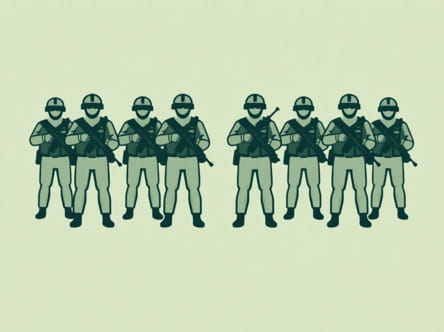
When people hear the word platoon, they often think of movies, military documentaries, or stories from veterans. However, the exact size of a platoon is not always clear to everyone, especially because it can vary depending on the country, the branch of the military, and the specific role of the unit. A platoon is considered one of the fundamental building blocks of modern armies, and understanding how many soldiers are in a platoon can give us better insight into how military forces are structured and organized in the field. This topic will explore the typical size of a platoon, the factors that influence its number of soldiers, and why the platoon is such an essential unit in military operations.
What is a Platoon?
A platoon is a military unit that is usually larger than a squad but smaller than a company. It acts as a critical link in the chain of command and provides both flexibility and organization on the battlefield. In many armed forces, the platoon is considered the first level where leadership begins to include more structured planning and tactics rather than simply following direct orders.
How Many Soldiers in a Platoon?
There is no single universal number that defines how many soldiers are in a platoon, but most platoons usually range from about 15 to 50 soldiers. The variation depends on several factors such as the military branch, the type of platoon, and the operational role it plays. On average, an infantry platoon in many modern armies consists of approximately 30 to 40 soldiers.
Infantry Platoon Size
An infantry platoon is perhaps the most recognizable type. In many armies, an infantry platoon is made up of three or four squads, each containing around 8 to 12 soldiers. This means an infantry platoon typically consists of 25 to 40 soldiers, not including attached specialists such as medics or communications operators.
Specialized Platoons
Not all platoons are the same size because some are organized for specific roles. For example
- Tank Platoon– Often contains 4 tanks with 3 to 4 crew members each, making it around 12 to 16 personnel in total.
- Artillery Platoon– May have fewer soldiers than infantry, but includes highly trained operators and technicians to handle complex weapon systems.
- Support Platoon– Such as logistics, medical, or engineering platoons, which can vary widely in size depending on the mission requirements.
Leadership Structure Within a Platoon
A platoon is usually led by a platoon leader, often a lieutenant, and assisted by a platoon sergeant. Below them are squad leaders who command the smaller groups within the platoon. This structure allows for efficient command and control, ensuring that orders are communicated quickly and accurately.
Key Roles in a Platoon
- Platoon Leader– Typically a lieutenant responsible for planning, directing, and leading the platoon.
- Platoon Sergeant– Usually a senior non-commissioned officer (NCO) who assists the leader and oversees discipline, training, and logistics.
- Squad Leaders– Manage the individual squads within the platoon.
- Specialists– Such as medics, radio operators, or weapons experts who support the platoon’s mission.
Factors That Affect Platoon Size
The number of soldiers in a platoon is not fixed. Instead, it is shaped by various elements including the type of mission, the technological level of the army, and historical traditions. Some factors include
- Mission Requirements– A platoon designed for reconnaissance may be smaller and lighter compared to an infantry platoon meant for direct combat.
- Branch of Service– Armies, marines, and special forces often structure their platoons differently.
- National Doctrine– Different countries follow different doctrines. For example, U.S. Army platoons may differ slightly from British or German platoons in both size and structure.
Historical Perspective on Platoon Size
The concept of the platoon has evolved over centuries. In earlier times, platoons might have been much larger, especially during mass infantry battles. Over time, as technology improved and weapons became more effective, smaller units were able to achieve greater results. This led to the modern platoon size being optimized for both mobility and firepower.
Modern Examples of Platoon Size
Different countries and branches of the military define platoons in their own way. Here are some examples
- United States Army– An infantry platoon usually has around 40 soldiers, divided into three squads plus a small headquarters element.
- British Army– A typical infantry platoon contains about 30 soldiers, divided into three sections.
- Marine Corps– Similar to the Army, but often with slight variations depending on mission and structure.
Why Platoon Size Matters
The size of a platoon is not arbitrary; it is designed to balance several important factors. A platoon must be large enough to deliver effective firepower, maintain security, and complete missions, but also small enough to remain mobile, flexible, and easier to manage. If a platoon were too large, communication and control would become difficult. If it were too small, it might not have the manpower needed to complete complex tasks.
Platoon in Modern Warfare
In today’s military environment, the platoon continues to be a vital element of operations. With advancements in technology, soldiers in a platoon often have access to better communication equipment, drones, and precision weapons. These improvements enhance the effectiveness of the platoon, allowing even relatively small groups of soldiers to have a significant impact on the battlefield.
Platoons in Peacekeeping and Humanitarian Roles
Beyond combat, platoons are also deployed in peacekeeping missions, disaster relief, and humanitarian operations. Their size makes them ideal for tasks such as securing an area, distributing aid, or providing medical support. The flexibility of the platoon ensures it remains useful across a wide range of scenarios.
So, how many soldiers are in a platoon? The answer depends on the type of platoon, the country, and the mission, but generally, it ranges from 15 to 50 soldiers, with infantry platoons averaging around 30 to 40 members. This number has been refined over time to strike the perfect balance between strength, mobility, and efficiency. Whether in combat, peacekeeping, or support roles, the platoon remains one of the most essential building blocks of military organization worldwide.