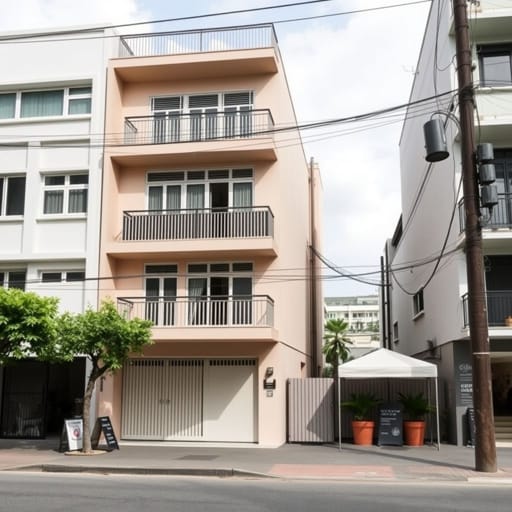
The Geylang district, known for its vibrant culture, rich heritage, and distinctive shophouses, has recently seen a surge of interest from new owners acquiring these iconic properties. Geylang shophouses have long been an integral part of Singapore’s architectural and commercial landscape, offering a unique blend of history and functionality. As ownership changes hands, the area is witnessing a dynamic shift in investment patterns, preservation efforts, and redevelopment strategies. For prospective investors, business owners, and heritage enthusiasts, understanding the implications of these new ownership trends is essential to grasp the evolving character and future of Geylang shophouses.
Historical and Cultural Significance of Geylang Shophouses
Geylang shophouses are a hallmark of Singapore’s urban fabric, reflecting a style that combines Chinese, Malay, and colonial architectural elements. Built primarily in the early to mid-20th century, these two- to three-storey structures served dual purposes commercial activity on the ground floor and residential quarters above. The intricate facades, narrow frontages, and continuous rows of shophouses create a vibrant streetscape that is both functional and aesthetically significant.
The district’s cultural heritage and colorful history add immense value to these properties. New owners inherit not only physical assets but also custodianship of a historical legacy that requires sensitive management and often regulatory compliance, especially given Singapore’s commitment to conservation.
Profile of New Owners of Geylang Shophouses
In recent years, Geylang shophouses have attracted a diverse group of new owners ranging from private investors and small business owners to larger property developers. Many are drawn by the unique opportunity to own heritage properties that offer commercial potential in a well-located district. New ownership profiles include
- Individual InvestorsThose looking to preserve heritage while generating rental income.
- Entrepreneurs and RestaurateursCapitalizing on the shophouses’ popularity for eateries, cafes, and boutique shops.
- Property DevelopersInterested in adaptive reuse or redevelopment within conservation guidelines.
- Real Estate FundsSeeking long-term investment returns in a culturally rich precinct.
Impact of New Ownership on the Geylang Shophouse Market
The influx of new owners has led to several notable trends in the Geylang shophouse market. Property values have generally appreciated as demand for heritage properties remains strong. Many new owners aim to restore or upgrade shophouses, balancing modern conveniences with preservation of original features.
This renewed interest has also encouraged revitalization of the area’s commercial scene. Trendy cafes, boutique retail outlets, and creative studios are increasingly occupying these spaces, enhancing Geylang’s appeal as a lifestyle and cultural destination.
Challenges Faced by New Owners
- Regulatory ComplianceConservation laws require adherence to strict guidelines, limiting alterations to facades and structures.
- Maintenance CostsOlder buildings often need significant upkeep and restoration, impacting budget and timelines.
- Balancing Tradition and ModernityIntegrating contemporary business needs while respecting heritage can be complex.
- Community RelationsNavigating the diverse social fabric of Geylang and its existing residents.
Opportunities for New Owners in Geylang Shophouses
Despite challenges, the opportunities for new owners are plentiful. Geylang’s strategic location near the city center and its unique cultural ambiance make shophouses highly desirable for both commercial and residential purposes.
- Heritage TourismShophouses can attract tourists seeking authentic experiences, supporting boutique hotels, galleries, and cultural tours.
- Creative IndustriesThe flexible space allows for art studios, co-working hubs, and start-ups to flourish.
- Gastronomy and RetailThe district’s reputation as a food destination complements new dining ventures in these spaces.
- Capital AppreciationHeritage properties often show strong long-term value growth due to their rarity and desirability.
Role of the Government and Conservation Policies
The Urban Redevelopment Authority (URA) of Singapore plays a key role in managing the conservation of Geylang’s shophouses. New owners must comply with guidelines designed to protect the historical and architectural integrity of the buildings. This includes restrictions on facade changes, roof materials, and signage.
The government also provides grants and assistance schemes for conservation work, which new owners can utilize to offset renovation costs. Such support underscores the importance placed on preserving Geylang’s identity while encouraging sustainable use of heritage properties.
Compliance and Approval Process
- Obtaining conservation approval before renovation or redevelopment.
- Working with qualified architects familiar with heritage restoration.
- Ensuring building safety and upgrading services without compromising original design.
Future Outlook for Geylang Shophouses with New Ownership
The trend of new ownership in Geylang shophouses signals a positive future for the district’s cultural and economic vibrancy. Thoughtful stewardship by new owners, combined with strong regulatory frameworks, will help maintain the delicate balance between modernization and heritage preservation.
Continued interest from diverse investor groups is expected to fuel innovative uses of these historic buildings, keeping Geylang a lively and evolving neighborhood. As the area attracts more visitors and businesses, new owners have a significant role in shaping the future character of this iconic Singapore district.
The arrival of new owners in Geylang’s shophouse market is transforming the landscape while respecting its rich heritage. With opportunities for commercial success and cultural preservation, these properties remain coveted assets. Navigating regulatory requirements, maintenance challenges, and community dynamics requires care and commitment. However, the rewards include not only financial returns but also the privilege of being custodians of a unique piece of Singapore’s history. For those investing in Geylang shophouses, understanding the complexities and embracing the possibilities will be key to thriving in this dynamic environment.