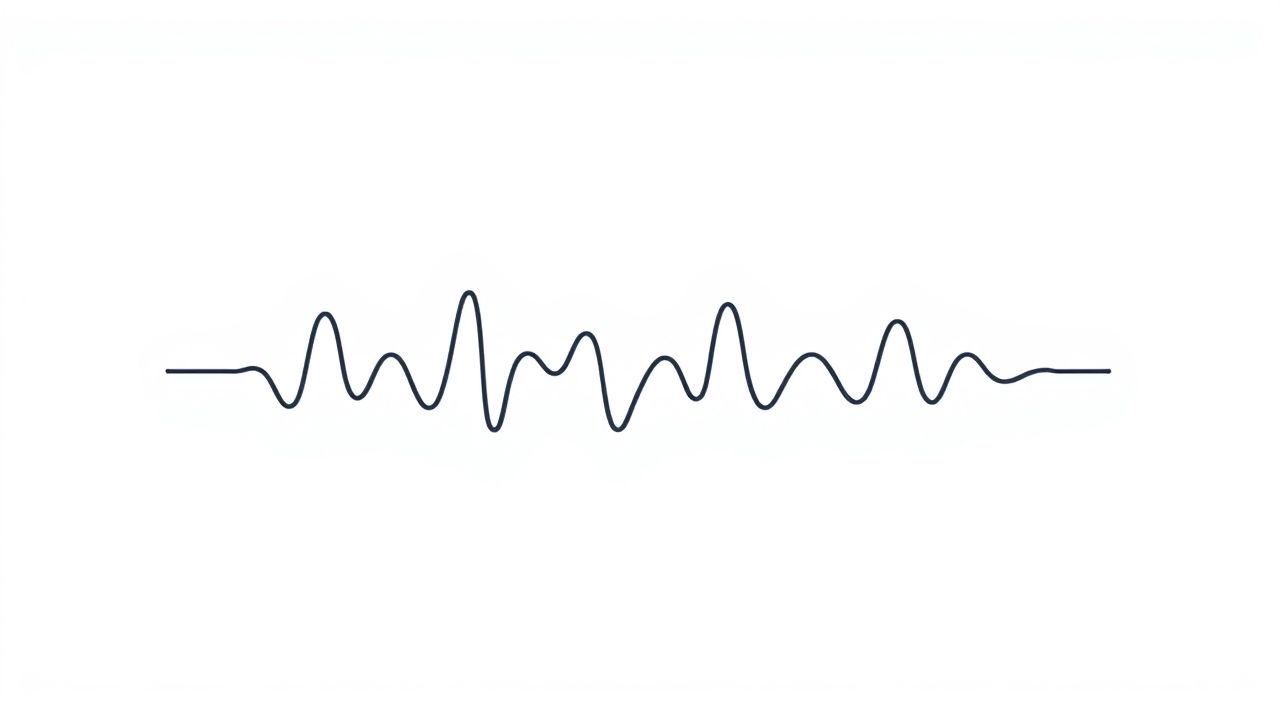
When healthcare providers evaluate brain function, an electroencephalogram (EEG) is often one of the most valuable diagnostic tools. EEG testing can be performed while the patient is awake, drowsy, or asleep to capture variations in brain wave activity. For medical billing and insurance purposes, these tests are categorized using CPT codes, which ensure that services are recorded and reimbursed correctly. One of the key areas of interest for providers and coders is the EEG awake and drowsy CPT code, as it specifically applies to studies that assess brain activity in these particular states. Understanding the details of this code, its applications, and its clinical importance is essential for both medical professionals and coding specialists.
Understanding EEG in Clinical Practice
An electroencephalogram (EEG) records the electrical activity of the brain through electrodes placed on the scalp. It is used to identify abnormalities such as seizures, epilepsy, sleep disorders, head injuries, or other neurological conditions. Since brain activity varies significantly depending on whether a patient is awake, drowsy, or asleep, doctors often request specific EEG studies that include different states of consciousness. Capturing brain waves during wakefulness and drowsiness allows clinicians to identify abnormalities that may not appear during normal resting states.
The Role of CPT Codes in EEG Procedures
Current Procedural Terminology (CPT) codes are standardized numeric codes used to describe medical, surgical, and diagnostic services. They play a critical role in medical documentation, insurance claims, and billing. In EEG studies, the CPT code chosen depends on the type of EEG performed, the duration of the test, and the patient’s state during the examination. By assigning the correct CPT code, providers can ensure accurate reimbursement and compliance with medical record requirements.
EEG Awake and Drowsy CPT Code Explained
The EEG awake and drowsy CPT code is typically used when the test records brain activity while the patient transitions between full alertness and drowsiness. This state is particularly useful in diagnosing conditions such as seizure disorders or transient neurological abnormalities. In coding practice, the most commonly used code for a standard EEG, including awake and drowsy recordings, isCPT 95816.
CPT 95816
This code refers to a routine EEG recording that lasts approximately 20 to 40 minutes. It is performed while the patient is awake and may also include periods of drowsiness. The CPT code covers the technical component of the EEG, such as electrode placement, recording, and data collection, as well as the physician’s interpretation of the findings. In many cases, hyperventilation and photic stimulation are also performed to provoke brain responses that help identify abnormalities.
Why Awake and Drowsy States Matter
Brain activity changes dramatically when a patient becomes drowsy. Some seizure disorders, for example, may only show abnormal discharges during the transition from wakefulness to sleep. For this reason, testing both states provides a broader diagnostic perspective and improves the accuracy of identifying neurological conditions. The CPT code for EEG awake and drowsy ensures that this specific type of assessment is properly documented.
Differences Between Awake and Asleep EEG CPT Codes
While the awake and drowsy CPT code typically refers to routine studies such as 95816, there are different codes for extended or sleep-deprived EEGs. For example
- 95819– Extended EEG recording, usually lasting more than 40 minutes, often covering wakefulness, drowsiness, and light sleep.
- 95700-95726– Codes for long-term EEG monitoring, including video EEG, which may capture several hours or days of brain activity.
- 95810– Polysomnography or sleep studies, which are separate from standard EEG but often involve brain wave monitoring.
These distinctions are important because each test has unique clinical goals and billing requirements. An awake and drowsy EEG provides targeted insight, while extended studies capture a wider range of states, including deep sleep.
Clinical Importance of EEG Awake and Drowsy
EEG testing during awake and drowsy states plays a crucial role in diagnosing neurological disorders. Some of the most common clinical applications include
- Epilepsy diagnosisDetecting abnormal discharges that may appear only during drowsiness.
- Transient ischemic attacks (TIA)Identifying subtle brain wave changes linked to reduced blood flow.
- Head injury evaluationAssessing possible long-term effects of trauma on brain function.
- Sleep disordersEvaluating transitions between wakefulness and drowsiness in conditions like narcolepsy.
- Neurodevelopmental disordersMonitoring brain activity in children with suspected seizure-like activity.
How EEG Awake and Drowsy Testing Is Performed
The procedure begins with placing electrodes on the patient’s scalp using a conductive paste or cap. The recording takes about 20 to 40 minutes. During the test
- The patient is asked to relax and remain still while awake.
- They may be encouraged to close their eyes and gradually drift into drowsiness.
- Stimuli such as flashing lights or deep breathing may be introduced to provoke brain responses.
This combination of awake and drowsy states helps doctors identify abnormalities that would otherwise remain undetected in a fully alert patient.
Documentation and Billing Considerations
For accurate billing, medical coders must ensure the correct CPT code is used. Documentation should include the duration of the test, the patient’s state during recording, and any stimulation techniques applied. If the study extends beyond 40 minutes or includes additional states such as sleep, a different CPT code may be more appropriate. Proper coding ensures not only reimbursement but also compliance with regulatory standards and accurate medical records.
Common Challenges in EEG Coding
Some common challenges faced in coding EEG awake and drowsy procedures include
- Distinguishing between routine EEGs and extended studies.
- Ensuring the test duration matches the selected CPT code.
- Avoiding undercoding or overcoding, which can lead to denied claims.
- Documenting physician interpretation clearly for insurance review.
Coders and providers must work together to maintain accurate records and ensure the CPT code matches the clinical service provided.
EEG awake and drowsy testing is a vital diagnostic tool that provides insight into brain function during transitions between alertness and drowsiness. The correct CPT code, most often 95816, ensures accurate billing and proper documentation of the service. By capturing brain wave activity in these states, clinicians can diagnose epilepsy, sleep disorders, and other neurological conditions more effectively. Understanding the nuances of EEG awake and drowsy CPT codes helps healthcare providers, coders, and patients alike, ensuring that both clinical and administrative aspects of care are handled with precision.