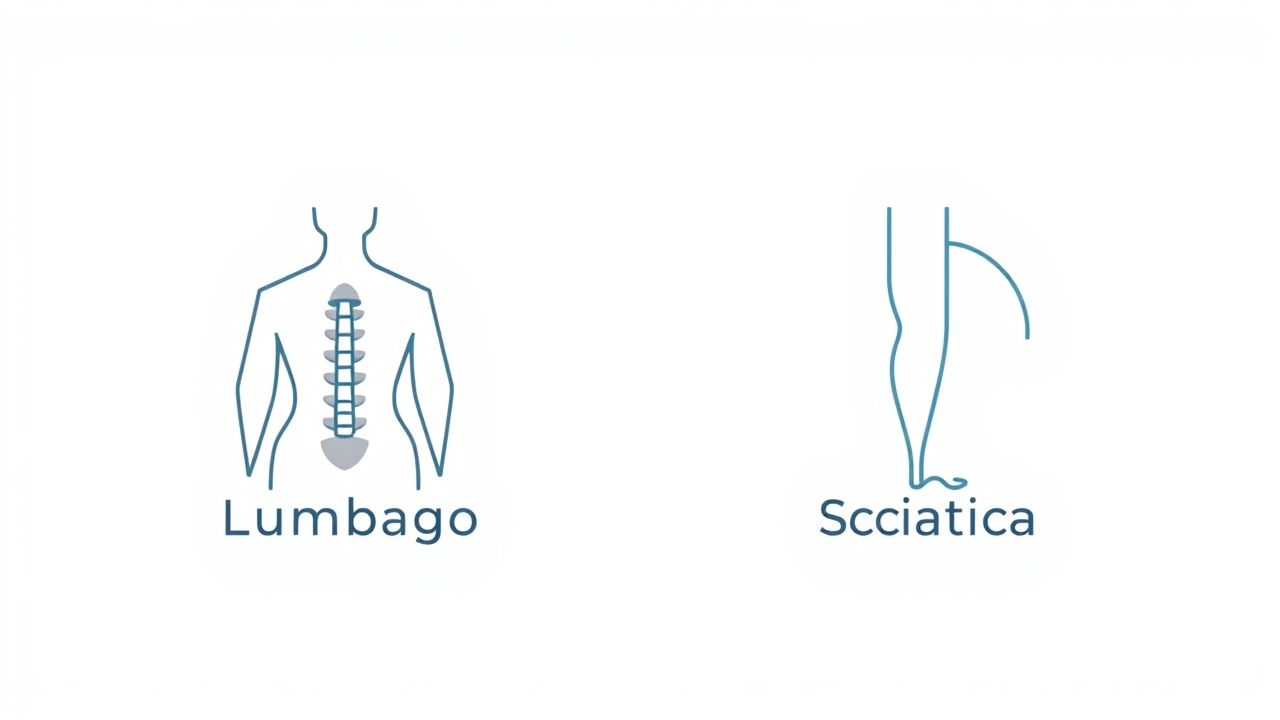
Back pain is one of the most common health complaints, affecting people of all ages and lifestyles. Among the many terms used to describe back problems, lumbago and sciatica often cause confusion. Both conditions can lead to significant discomfort and limited mobility, but they are not the same. Lumbago is a general term for lower back pain, while sciatica refers to pain caused by irritation or compression of the sciatic nerve. Understanding the difference between lumbago and sciatica helps in identifying the root cause of pain and choosing the right treatment approach for long-term relief.
What is Lumbago?
Lumbago is a broad term used to describe lower back pain. It is not a specific diagnosis but rather a symptom that can arise from various underlying conditions. Lumbago may be acute, lasting a few days to weeks, or chronic, persisting for months. The pain can range from mild discomfort to severe, debilitating pain that restricts movement and daily activities.
Causes of Lumbago
There are several reasons why someone may experience lumbago. Some common causes include
- Muscle strain due to heavy lifting, poor posture, or sudden movements.
- Degenerative changes in the spine such as arthritis or disc wear.
- Spinal misalignment or abnormalities in the vertebrae.
- Lifestyle factors such as lack of exercise, obesity, or prolonged sitting.
- Underlying medical conditions including osteoporosis or infections.
Symptoms of Lumbago
- Dull, aching pain in the lower back region.
- Stiffness that makes it difficult to bend or twist.
- Localized discomfort without radiating pain.
- Muscle spasms around the lower back.
- Worsening pain with activity, improved with rest in some cases.
What is Sciatica?
Sciatica, unlike lumbago, is a specific condition related to the sciatic nerve. The sciatic nerve is the largest nerve in the body, running from the lower back through the hips, buttocks, and down each leg. Sciatica occurs when this nerve becomes compressed, irritated, or inflamed, leading to sharp, radiating pain along its pathway.
Causes of Sciatica
The root causes of sciatica are usually linked to conditions affecting the spine. These may include
- Herniated or slipped discs pressing on the nerve.
- Spinal stenosis, or narrowing of the spinal canal.
- Bone spurs or degenerative changes in the vertebrae.
- Piriformis syndrome, where the piriformis muscle irritates the sciatic nerve.
- Trauma or injury to the lower spine or pelvis.
Symptoms of Sciatica
- Sharp, shooting pain that radiates from the lower back to the buttocks and legs.
- Numbness, tingling, or weakness in the affected leg.
- Pain that worsens with sitting, coughing, or sneezing.
- Discomfort typically affecting only one side of the body.
- Sensation changes along the pathway of the sciatic nerve.
Key Differences Between Lumbago and Sciatica
Although both conditions affect the lower back, the difference between lumbago and sciatica lies in their causes, symptoms, and the way pain presents itself. Recognizing these differences is essential for proper diagnosis and management.
Origin of Pain
- LumbagoGeneral lower back pain originating from muscles, ligaments, joints, or bones.
- SciaticaNerve-related pain caused by compression or irritation of the sciatic nerve.
Pain Pattern
- LumbagoLocalized pain in the lower back without significant radiation.
- SciaticaRadiating pain that travels down the leg, often beyond the knee.
Nature of Symptoms
- LumbagoAching, stiffness, or dull discomfort.
- SciaticaSharp, burning, or electric-shock-like pain accompanied by tingling or numbness.
Causes
- LumbagoOften due to muscle strain, poor posture, or degenerative changes.
- SciaticaCommonly caused by herniated discs, spinal stenosis, or nerve compression.
Similarities Between Lumbago and Sciatica
Despite their differences, lumbago and sciatica share some overlapping features. Both conditions
- Can limit mobility and daily activities.
- Cause significant discomfort if left untreated.
- May worsen with certain movements or prolonged sitting.
- Can be managed with physical therapy, medication, and lifestyle adjustments.
- Require proper medical evaluation for accurate diagnosis.
Diagnosis of Lumbago and Sciatica
Doctors typically use a combination of physical examinations and imaging tests to differentiate between lumbago and sciatica. While lumbago may not always need advanced imaging, sciatica often requires MRI or CT scans to identify the exact cause of nerve compression. A clear diagnosis ensures the right treatment approach and prevents further complications.
Treatment Options
Both lumbago and sciatica can be managed effectively with proper care, though treatments may vary depending on the severity and cause of pain.
Treating Lumbago
- Rest and Activity ModificationAvoiding activities that strain the back while maintaining gentle movement.
- Pain Relief MedicationOver-the-counter anti-inflammatory drugs may reduce discomfort.
- Physical TherapyExercises to strengthen the back and improve posture.
- Hot or Cold TherapyHelps reduce muscle tension and inflammation.
- Lifestyle ChangesWeight management and ergonomic adjustments support long-term back health.
Treating Sciatica
- MedicationPain relievers, muscle relaxants, and anti-inflammatory drugs.
- Physical TherapyStretching and strengthening exercises tailored for nerve relief.
- Epidural InjectionsSteroid injections may reduce nerve inflammation in severe cases.
- SurgeryIn rare cases, surgery may be necessary to relieve persistent nerve compression.
- Posture and Lifestyle AdjustmentsPrevent recurrence by avoiding prolonged sitting and improving spinal health.
Living with Lumbago or Sciatica
Living with lumbago or sciatica can be challenging, but most people improve with conservative treatments. Regular physical activity, proper posture, and ergonomic habits play a significant role in preventing flare-ups. While lumbago may resolve with time and self-care, sciatica often requires more targeted treatment because of its nerve involvement.
Prevention and Self-Care
Prevention strategies are similar for both conditions, as many lifestyle habits contribute to back and nerve health. These include
- Maintaining a healthy weight to reduce spinal stress.
- Regular exercise focusing on core and back strength.
- Practicing good posture while sitting, standing, and lifting.
- Taking breaks from prolonged sitting or screen time.
- Using supportive chairs and mattresses to promote spinal alignment.
The difference between lumbago and sciatica lies in the source of pain and the way symptoms manifest. Lumbago is a general term for lower back pain often linked to muscle or joint problems, while sciatica specifically refers to nerve pain caused by irritation of the sciatic nerve. Both conditions can disrupt daily life, but with early diagnosis, lifestyle changes, and appropriate treatment, it is possible to manage symptoms and maintain a healthy, active lifestyle. Understanding these conditions not only helps in proper treatment but also empowers individuals to take steps toward preventing recurring back pain.