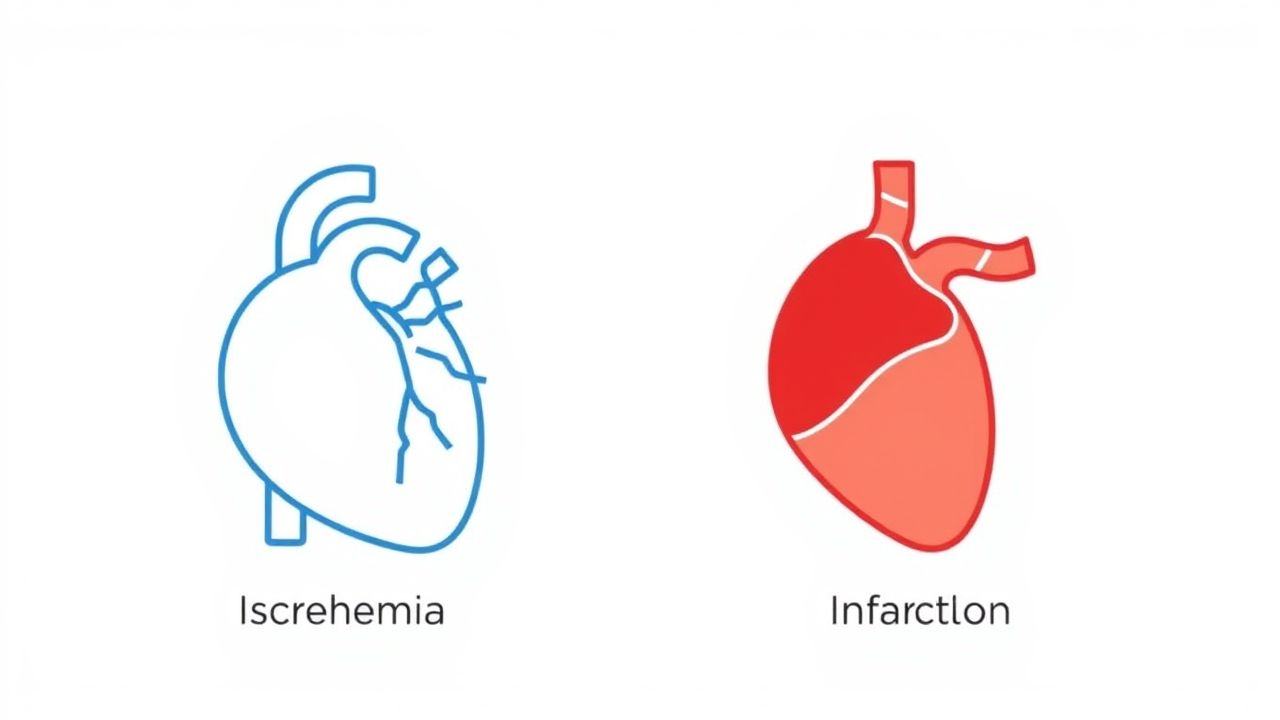
In medical discussions related to heart health and blood circulation, two terms often appear together ischemia and infarction. While they are connected and sometimes occur in sequence, they are not the same condition. Many people confuse these words because both involve problems with blood supply, but the distinction between ischemia and infarction is critical in understanding diagnosis, treatment, and outcomes. Knowing the difference between ischemia and infarction can help patients and healthcare professionals recognize symptoms early and take proper measures to reduce risks of long-term damage.
What Is Ischemia?
Ischemia is a condition where there is an insufficient supply of blood to a particular organ or tissue. This reduced blood flow means that oxygen and nutrients cannot adequately reach the cells, leading to tissue stress. The most common cause of ischemia is a narrowing or blockage of blood vessels, often due to atherosclerosis or blood clots.
Characteristics of Ischemia
- Temporary or partial reduction of blood flow.
- May cause pain, discomfort, or functional impairment in the affected area.
- Reversible if blood flow is restored quickly.
- Can affect different organs, including the heart (myocardial ischemia), brain (cerebral ischemia), or limbs (peripheral ischemia).
Common Causes of Ischemia
- Atherosclerosis (plaque buildup inside arteries).
- Blood clots or embolism.
- Arterial spasms restricting flow.
- External pressure on blood vessels.
What Is Infarction?
Infarction refers to tissue death that occurs when blood flow is completely cut off to an area for a prolonged period. Without oxygen and nutrients, the affected cells cannot survive, leading to irreversible damage. The most well-known type is myocardial infarction, commonly known as a heart attack.
Characteristics of Infarction
- Complete and prolonged blockage of blood flow.
- Results in cell death and permanent tissue damage.
- Not reversible once tissue necrosis has occurred.
- Often associated with severe complications depending on the organ affected.
Common Causes of Infarction
- Sudden blood clot blocking an artery.
- Severe atherosclerosis with rupture of plaque.
- Prolonged untreated ischemia.
- Arterial obstruction due to trauma or embolism.
Main Differences Between Ischemia and Infarction
Although ischemia and infarction are closely related, they represent different stages of blood supply disruption. Understanding these differences is important for timely diagnosis and treatment.
Blood Flow Status
Ischemia involves reduced or insufficient blood flow, while infarction means a total and prolonged absence of blood flow to the tissue.
Reversibility
Ischemia can often be reversed if blood flow is restored quickly. Infarction, however, results in permanent cell death and cannot be reversed.
Tissue Condition
During ischemia, the tissue is stressed but still alive. During infarction, the tissue becomes necrotic, leading to loss of function in the affected area.
Symptoms
Ischemia may present with warning symptoms such as chest pain (angina), dizziness, or limb discomfort. Infarction often presents with severe, sudden, and persistent symptoms such as crushing chest pain in heart attacks or neurological deficits in brain infarctions.
Types of Ischemia
Ischemia can affect many parts of the body, and its presentation depends on the location
- Myocardial Ischemia– Reduced blood flow to the heart muscle, often presenting as angina.
- Cerebral Ischemia– Reduced blood flow to the brain, leading to transient ischemic attacks or stroke risk.
- Peripheral Ischemia– Limited circulation to the arms or legs, causing pain and difficulty walking.
- Intestinal Ischemia– Blockage or narrowing in blood vessels of the intestines, leading to abdominal pain.
Types of Infarction
Just like ischemia, infarction can occur in different organs depending on where blood supply is lost
- Myocardial Infarction– Commonly known as a heart attack, caused by complete blockage of coronary arteries.
- Cerebral Infarction– Known as an ischemic stroke, caused by total loss of blood flow to part of the brain.
- Pulmonary Infarction– Tissue death in the lungs due to blockage in pulmonary circulation, often linked to pulmonary embolism.
- Renal Infarction– Death of kidney tissue due to obstruction in renal arteries.
Progression from Ischemia to Infarction
One of the most important connections between ischemia and infarction is progression. If ischemia is not treated quickly and blood flow is not restored, it can advance to infarction. This is why early recognition of ischemia is so crucial in medical practice. For example, chest pain caused by myocardial ischemia can escalate to myocardial infarction if intervention is delayed.
Diagnostic Approaches
Diagnosing Ischemia
Diagnosis often involves tests that measure blood flow and oxygen supply
- Electrocardiogram (ECG) changes during stress tests.
- Imaging such as CT angiography or MRI.
- Blood flow studies in affected regions.
Diagnosing Infarction
For infarction, tests confirm tissue damage
- Elevated cardiac enzymes such as troponin in myocardial infarction.
- Brain imaging showing necrosis in cerebral infarction.
- CT or MRI scans to identify tissue death.
Treatment Approaches
Treating Ischemia
Since ischemia is potentially reversible, treatment focuses on restoring blood flow
- Medications such as vasodilators, antiplatelets, or anticoagulants.
- Lifestyle changes including diet, exercise, and smoking cessation.
- Surgical procedures like angioplasty or bypass surgery for severe cases.
Treating Infarction
Infarction requires urgent treatment to limit damage and prevent complications
- Immediate medical intervention with clot-busting drugs or emergency angioplasty.
- Long-term management with medications for heart health, cholesterol control, and blood pressure regulation.
- Rehabilitation and therapy depending on the affected organ, such as cardiac rehab or stroke rehabilitation.
Complications
Both ischemia and infarction can lead to serious complications if untreated
- Ischemia– Can cause chronic pain, reduced organ function, and high risk of progression to infarction.
- Infarction– Leads to permanent organ damage, disability, or death depending on severity and location.
The difference between ischemia and infarction lies in the degree and duration of blood supply interruption. Ischemia is reduced blood flow that can be reversible, while infarction is permanent tissue death due to prolonged absence of circulation. Both conditions are interconnected, with untreated ischemia often leading to infarction. Recognizing the signs early, seeking prompt treatment, and managing risk factors are essential steps in preventing severe complications. By understanding the clear distinctions and relationships between ischemia and infarction, individuals can appreciate the importance of cardiovascular and overall vascular health in maintaining a longer and healthier life.