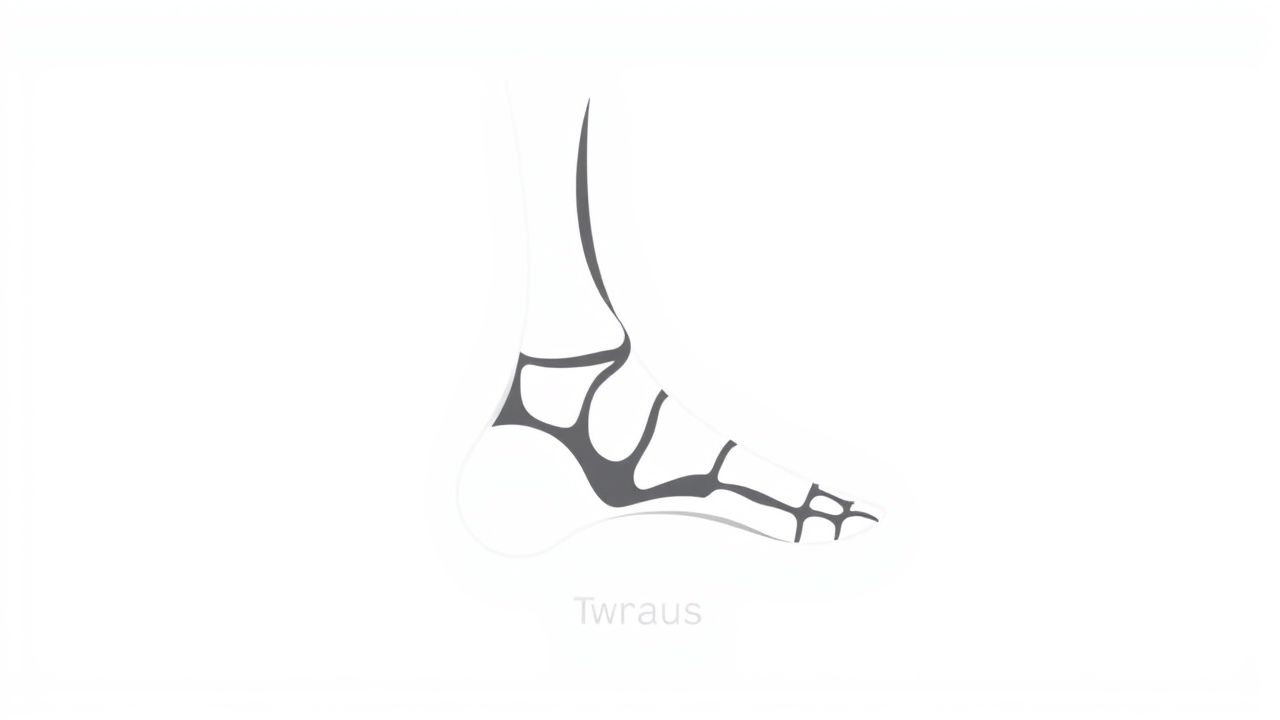
The bones of the tarsus play a crucial role in supporting body weight, enabling balance, and allowing movement of the foot and ankle. Located between the lower leg bones and the metatarsals, these bones form a complex structure that provides both stability and flexibility. Understanding the anatomy and functions of the tarsal bones is essential for anyone interested in foot health, sports performance, or injury prevention. From the strong talus and calcaneus to the smaller navicular and cuneiform bones, each part contributes to the foot’s intricate mechanics.
Overview of the Tarsal Bones
The tarsus is located in the rear and midsection of the foot, forming the connection between the leg and the toes. It consists of seven bones that work together to support movement and bear weight during activities like walking, running, and jumping. These bones are surrounded by ligaments, tendons, and muscles that enhance stability while allowing a wide range of motion.
The Seven Bones of the Tarsus
The tarsal bones are arranged in two rows the proximal row (closer to the ankle) and the distal row (closer to the toes). The seven bones include
- Talus
- Calcaneus
- Navicular
- Medial cuneiform
- Intermediate cuneiform
- Lateral cuneiform
- Cuboid
Talus
The talus is the bone that sits at the top of the tarsus, directly articulating with the tibia and fibula of the lower leg to form the ankle joint. It plays a major role in transferring weight from the leg to the foot. Unlike many bones, the talus has no muscle attachments, relying on surrounding ligaments for support.
Calcaneus
The calcaneus, or heel bone, is the largest tarsal bone and serves as the foundation for the rear of the foot. It bears much of the body’s weight when standing and acts as a lever for powerful movements like pushing off during walking or running. The Achilles tendon attaches to the back of the calcaneus, enabling ankle extension.
Navicular
The navicular bone is positioned on the medial side of the foot, in front of the talus. It helps form the medial longitudinal arch of the foot and connects the talus to the cuneiform bones. This bone is important for maintaining proper foot shape and balance.
Medial Cuneiform
The medial cuneiform is the largest of the three cuneiform bones and lies next to the navicular. It articulates with the first metatarsal bone and plays a role in stabilizing the big toe and supporting the arch of the foot.
Intermediate Cuneiform
Smaller than the medial cuneiform, the intermediate cuneiform sits between the medial and lateral cuneiforms. It articulates with the second metatarsal and contributes to the stability of the midfoot.
Lateral Cuneiform
The lateral cuneiform is located between the intermediate cuneiform and the cuboid. It connects with the third metatarsal and helps distribute weight evenly across the foot during standing and movement.
Cuboid
The cuboid bone sits on the lateral side of the foot, in front of the calcaneus. It plays a key role in stabilizing the foot’s lateral arch and acts as a supportive bridge between the calcaneus and the fourth and fifth metatarsals.
Functions of the Tarsal Bones
The bones of the tarsus work together to provide several important functions
- Supporting the body’s weight during standing and movement
- Forming arches that absorb shock and enhance walking efficiency
- Allowing multidirectional movement for adaptability on different surfaces
- Providing leverage for propulsion during walking, running, and jumping
Weight Bearing and Stability
The calcaneus and talus carry most of the body’s weight, while the other tarsal bones help distribute forces evenly across the foot. This arrangement prevents excessive strain on any single bone.
Shock Absorption
The arches formed by the tarsal bones, especially the medial longitudinal arch, act as natural shock absorbers. They compress slightly under pressure, protecting the joints and spine from impact forces.
Common Injuries and Disorders of the Tarsal Bones
Due to their weight-bearing role and constant use, the tarsal bones are vulnerable to injuries and conditions. Some common problems include
- Fractures – often caused by trauma, sports injuries, or accidents
- Stress fractures – small cracks in the bone due to repetitive stress
- Arthritis – joint inflammation that can affect the tarsal bones
- Flatfoot – collapse of the arches, altering tarsal bone alignment
- Tarsal coalition – abnormal connection between two or more tarsal bones
Fractures
Tarsal bone fractures can range from minor cracks to severe breaks that require surgery. The talus and calcaneus are particularly prone to fractures from high-impact injuries like falls or car accidents.
Stress Fractures
Stress fractures often occur in athletes or military personnel due to repetitive loading on the foot. Rest, proper footwear, and gradual return to activity are key to recovery.
Tarsal Coalition
This condition occurs when two tarsal bones are abnormally connected, either by bone, cartilage, or fibrous tissue. It can limit motion, cause pain, and lead to frequent ankle sprains.
Maintaining Healthy Tarsal Bones
Keeping the tarsal bones healthy requires attention to overall foot care, proper footwear, and general bone health. Here are some tips
- Wear supportive shoes that fit well
- Maintain a healthy weight to reduce stress on the feet
- Engage in low-impact exercises to strengthen foot muscles
- Ensure adequate calcium and vitamin D intake
- Stretch and warm up before physical activities
Foot Strengthening Exercises
Exercises like toe curls, arch lifts, and ankle rotations can improve the strength and flexibility of the foot, supporting the tarsal bones and reducing injury risk.
Role in Sports and Movement
The tarsal bones are essential for athletic performance, as they contribute to speed, balance, and agility. Activities like running, jumping, and changing direction rely heavily on the stability and mobility provided by these bones. In sports medicine, understanding the mechanics of the tarsal bones helps in diagnosing injuries and designing rehabilitation programs.
Adaptability
One of the remarkable features of the tarsus is its adaptability. Whether walking on uneven ground, sprinting on a track, or balancing on one foot, the tarsal bones adjust to maintain stability and prevent injury.
The bones of the tarsus form a complex and vital part of the human foot, balancing the demands of strength, flexibility, and shock absorption. From the sturdy calcaneus to the delicate cuneiforms, each bone plays a unique role in movement and stability. By understanding their anatomy, functions, and potential problems, it becomes easier to care for foot health and maintain mobility throughout life.