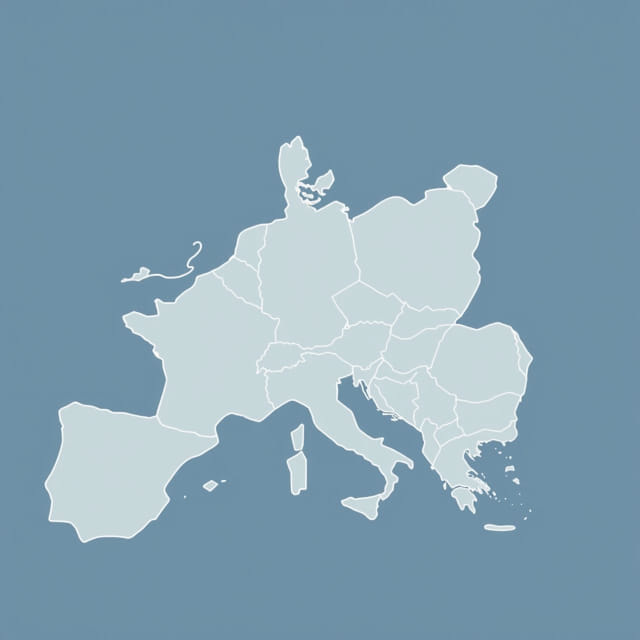
Bohemia and Moravia are two historic regions located in the heart of Central Europe, now forming a significant part of the Czech Republic. The geographic and cultural distinction between these two regions has played a vital role in shaping the history, culture, and politics of the area. A map of Bohemia and Moravia offers valuable insights into their topography, urban centers, and regional boundaries, helping us understand their importance both historically and in the modern era. Exploring these regions through their maps reveals a fascinating interplay of geography, culture, and history that continues to influence the Czech Republic today.
Geographical Overview of Bohemia and Moravia
Bohemia The Western Heartland
Bohemia is the larger and more populous of the two regions, covering the western and central parts of the Czech Republic. It is bordered by Germany to the west and northwest, Poland to the northeast, and Moravia to the east. The region features diverse landscapes, including the Ore Mountains (KruÅ¡né hory), the Bohemian Forest (Å umava), and fertile lowlands surrounding the capital city, Prague. Bohemia’s central location makes it a historical crossroads of trade and cultural exchange.
Moravia The Eastern Jewel
Moravia lies to the east of Bohemia and borders Slovakia to the southeast and Poland to the northeast. It is known for its rolling hills, fertile valleys, and the Moravian Gate, an important natural corridor between the Carpathian Mountains and the Sudetes. Key cities in Moravia include Brno, the region’s largest city and a major cultural and economic center, and Olomouc, known for its historic architecture and university tradition.
Historical Significance and Regional Identity
Distinct Cultural Heritage
Both Bohemia and Moravia have distinct cultural identities shaped by their unique histories. Bohemia was once a kingdom and a center of the Holy Roman Empire, playing a pivotal role in European politics and culture. Its capital, Prague, is renowned for its medieval architecture and was historically one of Europe’s most important cities. Moravia, while also rich in history, developed its own cultural traditions influenced by neighboring Slavic and Germanic peoples. The two regions together form the historical core of the Czech lands.
Political History and Administrative Divisions
Throughout history, Bohemia and Moravia were separate crown lands within the Austro-Hungarian Empire and earlier entities. Their borders were officially recognized and demarcated in various historical maps, reflecting their administrative significance. Modern maps of the Czech Republic continue to reflect this division, with Bohemia comprising the western part of the country and Moravia the eastern part. The regions also differ in dialects, traditional costumes, and folklore, which are celebrated and preserved through cultural festivals.
Key Features on a Bohemia and Moravia Map
Major Cities and Towns
- PragueThe capital city of the Czech Republic and the largest city in Bohemia, known for its historic old town, Charles Bridge, and Prague Castle.
- BrnoThe largest city in Moravia, an important academic and business hub with a vibrant cultural scene.
- OlomoucA historic city in Moravia famous for its baroque architecture and UNESCO-listed Holy Trinity Column.
- PilsenLocated in western Bohemia, famous worldwide as the birthplace of Pilsner beer.
Natural Landmarks
- Å umava National ParkSituated along the southwestern border of Bohemia, this park protects vast forests, peat bogs, and mountain lakes.
- Moravian KarstA region of limestone caves and gorges near Brno, known for its unique karst formations and underground rivers.
- Ore MountainsStretching along the northwest border of Bohemia, these mountains have a rich mining history.
Importance of Maps for Understanding Bohemia and Moravia
Historical Context and Territorial Changes
Maps of Bohemia and Moravia have been essential tools for understanding territorial changes over centuries. During the Middle Ages and early modern period, maps showed the extent of the Bohemian Kingdom and Moravian lands under various rulers. Later, under the Habsburg Monarchy and Austro-Hungarian Empire, administrative maps detailed the division and governance of these regions. Modern cartography continues to depict the historical boundaries, providing insight into how these regions have retained their distinct identities despite political transformations.
Modern Usage in Tourism and Education
Today, maps of Bohemia and Moravia are widely used for tourism, highlighting historical landmarks, natural parks, and cultural sites. They help visitors navigate the diverse landscapes and urban areas, enhancing appreciation for the regions’ heritage. In educational contexts, maps serve as visual aids to teach the history, geography, and cultural significance of Bohemia and Moravia, helping students grasp the regional dynamics of the Czech Republic.
Challenges and Opportunities in Regional Development
Balancing Preservation and Modernization
Both Bohemia and Moravia face the challenge of balancing heritage preservation with economic development. Urban growth, industrial expansion, and infrastructure projects require careful planning to protect natural sites and historical monuments. Maps help planners and policymakers identify sensitive areas and make informed decisions that respect the regions’ cultural and environmental value.
Regional Cooperation and Identity
Despite their differences, Bohemia and Moravia work closely within the framework of the Czech Republic to promote regional development, tourism, and cultural exchange. Maps often highlight regional distinctions but also the connections between these historic lands. Strengthening cooperation while honoring unique identities contributes to the country’s overall prosperity and cohesion.
A map of Bohemia and Moravia is more than just a geographic representation; it is a gateway to understanding the rich history, diverse landscapes, and vibrant cultures of these regions. From the bustling streets of Prague to the serene forests of Å umava, from the academic ambiance of Brno to the limestone wonders of the Moravian Karst, these maps reveal a land full of contrasts and connections. Exploring Bohemia and Moravia through their maps offers a deeper appreciation of their role in Central Europe and the ongoing story of the Czech Republic.