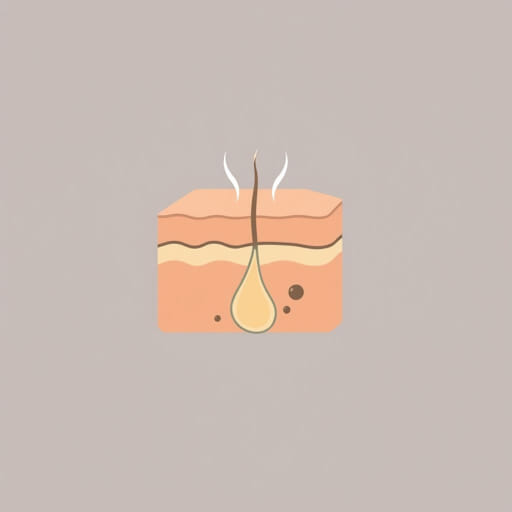
The biology of the integument is a fundamental aspect of animal anatomy and physiology, encompassing the study of skin and its associated structures, including hair, scales, feathers, glands, and nails. This complex system serves as the interface between an organism and its environment, providing protection, sensory input, thermoregulation, and a host of other vital functions. Understanding the integumentary system is crucial not only in biology but also in medicine, veterinary science, and evolutionary studies. Its intricate structure and diverse roles highlight the adaptability and specialization of organisms across different habitats, emphasizing the importance of maintaining skin health and understanding its biological processes.
Structure of the Integumentary System
The integumentary system consists of multiple layers and components, each with specialized functions. At its core, it provides a barrier against environmental hazards, including pathogens, UV radiation, and mechanical injury. Its structure varies across species, reflecting evolutionary adaptations to specific ecological niches.
Epidermis
The epidermis is the outermost layer of the skin and primarily composed of epithelial cells. In vertebrates, it is a stratified squamous epithelium that undergoes continuous renewal. Keratinocytes, the predominant cell type, produce keratin, a structural protein that imparts strength and waterproofing. The epidermis also houses melanocytes, which produce melanin to protect against UV radiation, and Langerhans cells, which play a role in immune defense. This layer is avascular, relying on diffusion from the underlying dermis for nutrients and waste removal.
Dermis
Beneath the epidermis lies the dermis, a thick, connective tissue layer that provides structural integrity and elasticity. It contains collagen and elastin fibers, blood vessels, nerve endings, hair follicles, sweat glands, and sebaceous glands. The dermis supports thermoregulation through blood flow modulation and sweat production. Sensory receptors in this layer detect pressure, vibration, pain, and temperature, allowing organisms to respond to environmental stimuli.
Hypodermis
The hypodermis, also called the subcutaneous layer, is composed primarily of adipose tissue and connective tissue. It acts as a cushion against mechanical shocks, provides insulation, and serves as an energy reservoir. In some species, the hypodermis plays a role in camouflage or signaling through fat storage patterns or coloration.
Specialized Structures of the Integument
The integumentary system encompasses various specialized structures that serve unique biological functions, enhancing survival and adaptation in diverse environments.
Hair, Fur, and Feathers
Hair in mammals, fur in some species, and feathers in birds are keratin-based structures that provide protection, thermoregulation, and, in some cases, display for mating or communication. Hair follicles extend into the dermis, where sebaceous glands lubricate the hair and epidermis. Feathers have complex branching structures, aiding in flight, insulation, and waterproofing.
Scales and Claws
Reptiles and fish have scales, which protect against injury, reduce water loss, and aid locomotion. The integument may also form claws, nails, or hooves, which assist in defense, foraging, and movement. These keratinized structures are produced by specialized epidermal cells and reflect evolutionary adaptation to environmental pressures.
Glands
The integument contains various glands with essential biological roles. Sweat glands regulate body temperature through evaporative cooling, while sebaceous glands secrete oils that maintain skin flexibility and prevent desiccation. In some species, specialized glands produce pheromones for communication, toxins for defense, or mucus for lubrication and protection.
Functions of the Integumentary System
The integument serves multiple critical functions, each contributing to an organism’s survival and overall health. Its biological roles are diverse and interdependent, emphasizing the integrative nature of this system.
Protection
The integument acts as a first line of defense against physical injury, microbial invasion, chemical exposure, and ultraviolet radiation. The epidermal barrier prevents pathogen entry, while immune cells in the dermis detect and respond to potential threats. Keratin and other structural proteins reinforce the skin’s mechanical strength.
Sensory Reception
Embedded sensory receptors in the dermis provide information about touch, pressure, vibration, temperature, and pain. These inputs are crucial for avoiding injury, navigating the environment, and engaging in social interactions. Specialized receptors, such as Merkel cells and Pacinian corpuscles, are adapted to detect fine tactile details and rapid pressure changes, respectively.
Thermoregulation
Thermoregulation is vital for maintaining homeostasis. Sweat glands, blood vessel dilation and constriction, and insulating structures like hair and fat collectively help regulate body temperature. In some animals, coloration patterns in the skin also play a role in heat absorption or reflection, aiding thermal control.
Excretion and Metabolism
The skin contributes to excretion through sweat, which removes water, salts, and small metabolic waste products. Additionally, it participates in vitamin D synthesis, converting precursors to the active form in response to UV radiation, thereby supporting calcium metabolism and bone health.
Integumentary Adaptations in Different Species
The integument demonstrates remarkable variability across species, reflecting adaptation to diverse ecological niches. These adaptations enhance survival, reproduction, and environmental interaction.
Aquatic Adaptations
In aquatic organisms, the integument often features mucus secretion, reducing friction during swimming and providing a barrier against pathogens. Fish scales protect against mechanical damage and parasites while facilitating streamlined movement.
Terrestrial Adaptations
In terrestrial animals, hair and feathers provide insulation against temperature extremes, while keratinized structures protect against abrasion. Some species exhibit camouflage patterns, aiding in predator avoidance or prey capture.
Desert Adaptations
In arid environments, the integument minimizes water loss. Thick, keratinized layers, specialized glands, and hair patterns reduce evaporation, while reflective coloration mitigates heat absorption.
Clinical and Research Significance
The biology of the integument has profound implications in medicine, veterinary science, and research. Skin disorders such as eczema, psoriasis, infections, and cancers highlight the clinical importance of understanding integumentary biology. Veterinary medicine relies on knowledge of integument adaptations to manage livestock and wildlife health. Research into regenerative medicine, wound healing, and tissue engineering often focuses on the skin due to its accessibility and complex structure. Understanding the cellular and molecular biology of the integument informs treatments and innovations that improve health outcomes.
Wound Healing and Regeneration
Research into skin biology has revealed mechanisms of wound healing and tissue regeneration. Keratinocyte proliferation, fibroblast activity, angiogenesis, and immune responses coordinate to repair damage. These insights inform clinical approaches for burns, ulcers, and surgical recovery, as well as emerging regenerative therapies.
Skin as a Model System
The skin serves as a valuable model for studying cell differentiation, signaling pathways, and stem cell biology. Its stratified structure, accessibility, and diverse cell types make it ideal for experimental research, including studies on aging, cancer, and response to environmental stressors.
The biology of the integument encompasses the study of skin and its associated structures, revealing a system that is both protective and multifunctional. Its layers, specialized structures, and physiological roles are integral to survival, adaptation, and health. From sensory perception and thermoregulation to barrier protection and metabolic activity, the integument reflects evolutionary optimization across species. Studying its biology enhances our understanding of health, disease, adaptation, and the evolutionary strategies of organisms, making it a critical field in biology, medicine, and environmental science.