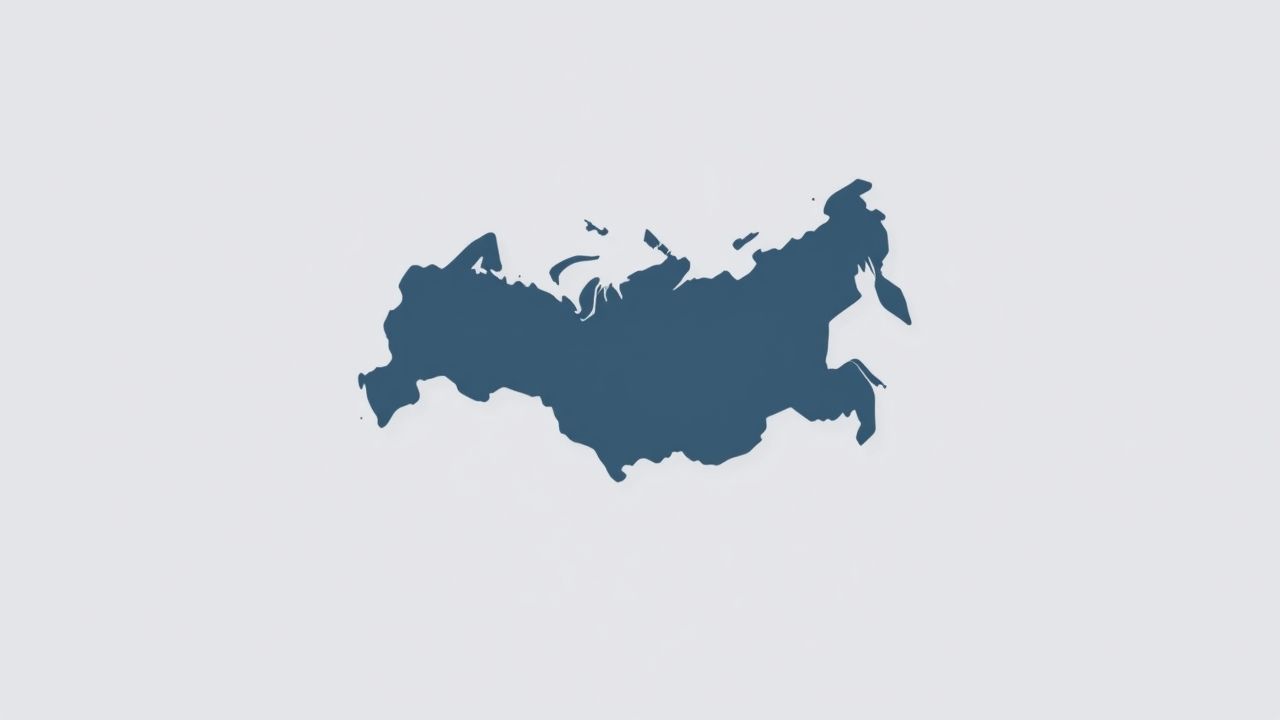
When we talk about the biggest country in the world, we usually refer to total land area. The idea of biggest” may sometimes lead to confusion because it could refer to population, economy, or cultural influence, but in the context of geography, it clearly points to physical size. Understanding what makes a country the largest helps us better appreciate how geography influences climate, borders, natural resources, and even politics. This topic dives deep into the nation that claims the title of the largest country by area, exploring not only its sheer size but also what it means for the world.
Defining the Term Biggest Country
Before identifying the largest nation, we should define how the term is measured. Biggest in this case refers to
- Total land area(including lakes and rivers)
- Geographic spread across continents
- International boundaries and coastline lengths
These elements combine to give us a solid idea of which country covers the most space on Earth’s surface.
Russia The Largest Country in the World
Total Area
Russia is the biggest country in the world by a wide margin. It spans approximately 17.1 million square kilometers (or about 6.6 million square miles), making up more than 11% of the world’s landmass. No other country comes close to this figure. For comparison, Canada the second-largest country covers about 9.9 million square kilometers.
Continental Reach
Russia is unique because it stretches across two continents Europe and Asia. This transcontinental presence gives Russia both European and Asian identities. While much of its landmass lies in Asia, a significant portion of its population and political power is concentrated in European Russia.
Time Zones
Russia spans 11 time zones, more than any other country. This vast horizontal stretch has implications for transportation, communication, and scheduling across regions.
Geographical Features of Russia
Mountains and Plateaus
Russia is home to the Ural Mountains, often considered the dividing line between Europe and Asia. In the south, the Caucasus Mountains feature Mount Elbrus, the highest peak in Europe.
Rivers and Lakes
- Volga RiverThe longest river in Europe, vital for transportation and agriculture
- Lake BaikalThe world’s deepest freshwater lake and a UNESCO World Heritage Site
- Lena, Ob, and Yenisei RiversMajor rivers flowing into the Arctic Ocean
Climate and Terrain
Due to its massive size, Russia has a wide range of climates from tundra and permafrost in the north to humid continental climates in the west and arid regions in the southeast. The terrain varies from forests and plains to mountains and plateaus.
Economic and Political Influence of a Large Country
Natural Resources
Russia’s size comes with immense natural wealth. It holds vast reserves of oil, natural gas, coal, timber, and minerals. These resources play a major role in its economy and global trade influence.
Military and Strategic Reach
The country’s large landmass also allows for expansive military infrastructure. Russia maintains naval bases in the Arctic, airfields in Siberia, and has extensive border control systems.
Geopolitical Presence
With borders shared with 16 countries, Russia influences multiple regions from Europe and the Middle East to Central Asia and the Pacific. Its size makes it a key player in global affairs, diplomacy, and regional security.
Challenges of Being the Largest Country
Infrastructure Development
Maintaining roads, railways, and communication systems across such a vast area is a major challenge. Harsh winters and remote regions make construction and maintenance difficult and expensive.
Population Distribution
Despite its size, much of Russia’s population is concentrated in the west. Siberia and the Far East are sparsely populated, leading to unequal development and service access across the country.
Political and Administrative Management
Russia is a federation, and managing such a wide array of regions each with its own ethnic and cultural characteristics can be complex. Local governance and national integration remain ongoing efforts.
Comparison with Other Large Countries
While Russia is the largest, it’s useful to compare with other nations to appreciate the scale difference
- Canada9.98 million km² – second-largest but with far fewer people
- United States9.83 million km² – includes Alaska and overseas territories
- China9.6 million km² – massive population but slightly smaller area
- Brazil8.5 million km² – largest in South America
- Australia7.7 million km² – a continental nation with low population density
These comparisons help us understand why Russia’s size stands out so dramatically in the global landscape.
Why Size Still Matters
Global Influence
Geographic size still plays a role in how nations are perceived. A large country can project power, influence trade routes, and secure natural boundaries. It also gains leverage in international negotiations.
Scientific Research and Exploration
Russia’s remote regions serve as vital hubs for scientific research such as Arctic studies, climate monitoring, and space launch sites like the Baikonur Cosmodrome (shared with Kazakhstan).
Environmental Stewardship
Vast forests, wetlands, and frozen tundras mean Russia plays a significant role in carbon storage and global climate stability. Environmental policy in such a large country affects the entire planet.
The title of the biggest country in the world belongs to Russia and not by a small margin. With over 17 million square kilometers of diverse landscapes, ecosystems, and cultures, Russia is a land of extremes. Its size offers tremendous opportunity, global influence, and strategic advantage, but also comes with considerable challenges in development, governance, and sustainability. As we look at the world’s largest countries, it’s clear that physical geography continues to shape history, politics, and global dynamics in profound ways.