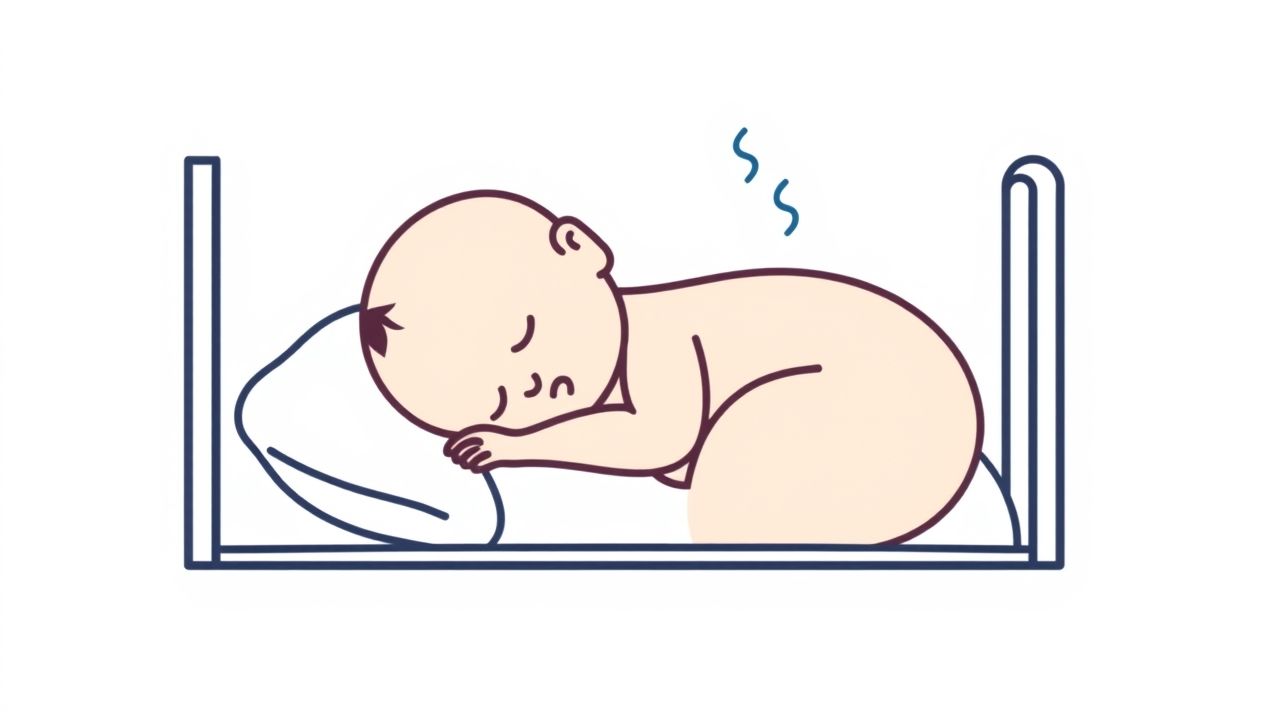
Parents often pay close attention to the breathing patterns of their babies, especially during sleep, because any unusual changes can be alarming. One of the concerns that may arise is when a baby appears to be hyperventilating in sleep. This rapid or irregular breathing can cause significant anxiety for caregivers, even though in many cases it may be harmless or related to normal infant development. Understanding the reasons behind this behavior, potential warning signs, and when to seek medical help can provide peace of mind while ensuring the child’s safety and well-being.
What Does Hyperventilating in Babies Mean?
Hyperventilating in babies refers to rapid breathing that may seem faster than normal. For adults, hyperventilation usually suggests over-breathing due to stress, anxiety, or a medical condition. However, in infants, the meaning can be different. Babies often have immature respiratory systems, and their breathing patterns can vary significantly throughout the night. Sometimes what looks like hyperventilation is simply a normal stage of sleep development.
Normal Baby Breathing Patterns
Infants typically breathe much faster than adults. A normal respiratory rate for a newborn can range from 30 to 60 breaths per minute, compared to 12 to 20 in adults. During sleep, their breathing may speed up, slow down, or even pause briefly. This is calledperiodic breathingand is generally not a cause for concern. Recognizing what is normal helps parents distinguish between typical infant breathing and potential problems.
Why Babies Might Hyperventilate in Sleep
There are several reasons why a baby might seem to hyperventilate while sleeping. Some of these are completely normal, while others may require medical attention.
- Immature respiratory controlBabies are still developing their breathing regulation, which can cause rapid or irregular patterns.
- Dreaming or active sleepDuring REM sleep, babies may breathe faster and more irregularly as their brain activity increases.
- Illness or congestionIf a baby has a cold, allergies, or respiratory infection, breathing may become more rapid or labored.
- FeverElevated body temperature can cause an increase in breathing rate.
- Asthma or lung conditionsThough rare in very young babies, chronic conditions can influence breathing during sleep.
- Sleep apneaSome infants may briefly stop breathing or breathe abnormally due to sleep apnea.
Signs That Hyperventilation May Be a Concern
While many cases of rapid breathing in babies are harmless, there are warning signs that suggest a medical problem. Parents should monitor for these red flags
- Consistently very fast breathing beyond the normal infant range.
- Grunting or wheezing sounds during sleep.
- Blue or pale lips, face, or fingernails.
- Retractions, where the skin pulls in around the ribs or collarbone with each breath.
- Excessive sweating during sleep without overheating.
- Frequent pauses in breathing lasting longer than 10 seconds.
If any of these symptoms occur, immediate medical evaluation is recommended. Difficulty breathing can indicate conditions such as respiratory infections, asthma, pneumonia, or other underlying health problems.
How to Monitor a Baby’s Breathing at Night
Parents who notice hyperventilating in sleep often worry they will not recognize when something is wrong. Fortunately, there are safe ways to monitor infant breathing without causing unnecessary stress.
Safe Observation Practices
- Check the baby periodically without disturbing sleep.
- Place the baby on their back to sleep, which reduces the risk of breathing problems.
- Keep the crib clear of pillows, blankets, and toys that may interfere with airflow.
- Maintain a comfortable room temperature to prevent overheating.
Some parents choose to use baby monitors with breathing sensors, though these should not replace medical evaluation if concerns persist. Being familiar with the natural variability in infant breathing can help reduce unnecessary worry.
Medical Conditions Associated with Baby Hyperventilating in Sleep
While many cases are harmless, hyperventilation during sleep may sometimes signal an underlying condition. Some of the more common medical issues include
Respiratory Infections
Colds, bronchiolitis, and pneumonia can cause a baby to breathe faster while asleep. Congestion and inflammation make it harder to breathe, leading to more rapid breathing.
Asthma or Allergies
Although asthma is more commonly diagnosed in older children, some infants may show early signs of airway sensitivity. Allergies to dust or other environmental triggers can also impact breathing.
Gastroesophageal Reflux (GERD)
Some babies experience reflux, where stomach contents flow back into the esophagus. This can cause discomfort, coughing, or rapid breathing during sleep.
Sleep Apnea
Obstructive sleep apnea, though less common in infants, can cause pauses in breathing followed by rapid breaths that may resemble hyperventilation. Enlarged tonsils, adenoids, or structural airway problems may contribute.
When to Seek Medical Help
Parents should trust their instincts when it comes to their baby’s health. While some irregular breathing is normal, medical advice is necessary if symptoms persist or worsen. Call a doctor immediately if the baby
- Has bluish skin or lips.
- Shows persistent rapid breathing over 60 breaths per minute at rest.
- Struggles to breathe, with visible retractions.
- Experiences repeated pauses in breathing during sleep.
- Is unusually lethargic or unresponsive.
Even if symptoms are mild, a pediatrician can provide reassurance or identify underlying issues that may require treatment.
How to Support Healthy Sleep and Breathing
There are steps parents can take to support better sleep and breathing patterns for their babies. These habits not only reduce risks but also promote overall well-being.
Creating a Safe Sleep Environment
- Always place the baby on their back to sleep.
- Use a firm mattress with a fitted sheet.
- Keep the crib clear of unnecessary items.
- Ensure proper room ventilation and comfortable temperature.
Encouraging Healthy Breathing
- Keep the baby’s nose clear of mucus with gentle suction if needed.
- Use a humidifier in dry climates to ease breathing.
- Limit exposure to smoke, dust, and allergens.
- Maintain regular check-ups with a pediatrician.
When a baby seems to be hyperventilating in sleep, it can be a frightening experience for parents. In most cases, rapid or irregular breathing is part of normal infant development and resolves as the child grows. However, recognizing the difference between harmless breathing variations and potential warning signs is crucial. By monitoring carefully, providing a safe sleep environment, and consulting a doctor when needed, parents can ensure their baby remains healthy and safe through every stage of development. Understanding baby hyperventilating in sleep not only reduces anxiety but also helps caregivers respond appropriately, balancing vigilance with peace of mind.