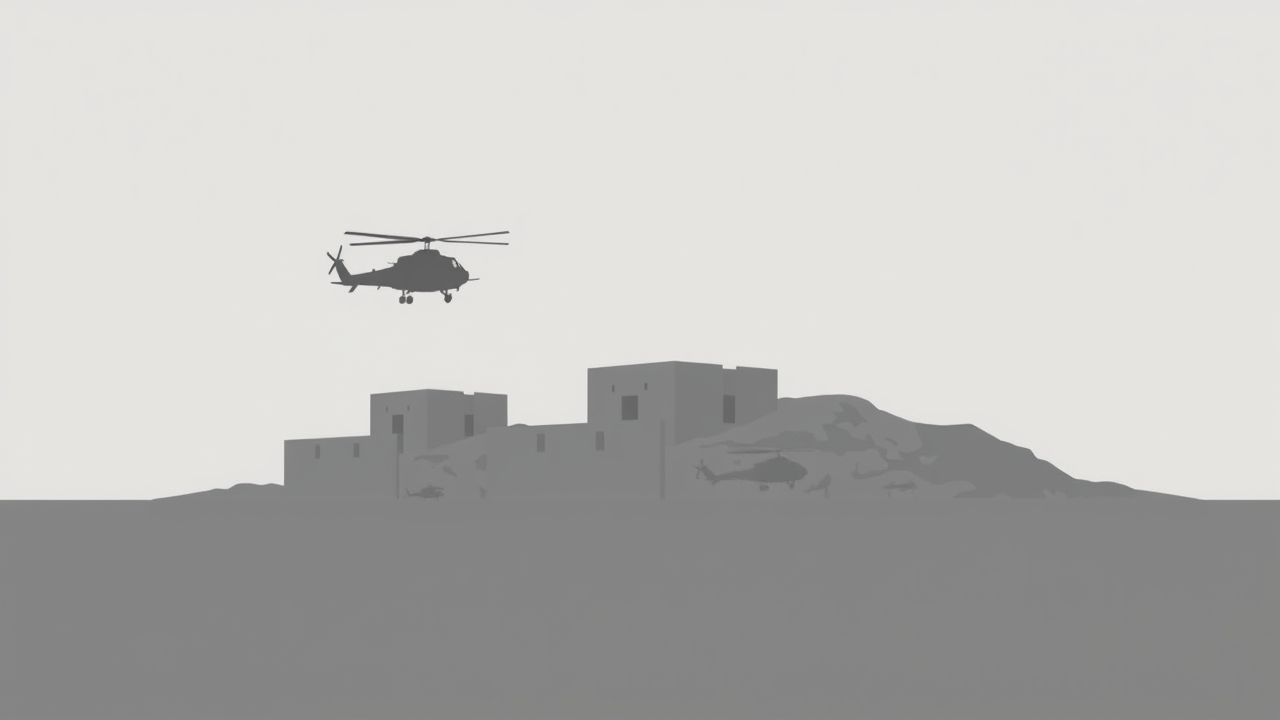
In the long and challenging history of the war in Afghanistan, one event that stands out for both its scale and impact is the attack on Camp Leatherneck. This military base, located in Helmand Province, was a major hub for coalition operations. In September 2012, insurgents launched a bold and destructive assault that shocked military leaders and highlighted the vulnerabilities of even the most heavily fortified facilities. The attack became one of the most significant breaches of security during the conflict, leaving behind destroyed aircraft, tragic casualties, and lingering questions about strategy and preparedness.
The Importance of Camp Leatherneck
Camp Leatherneck was a critical stronghold for U.S. Marines and coalition forces in southern Afghanistan. Established to support counterinsurgency operations, it served as a logistics, command, and control center. Along with nearby British Camp Bastion, it formed one of the largest military installations in the country. The base was vital for air operations, medical support, and troop coordination across Helmand Province, an area that saw some of the fiercest fighting of the war.
The Night of the Attack
The attack on Camp Leatherneck occurred on the night of September 14, 2012. A group of heavily armed Taliban fighters disguised themselves in U.S. Army uniforms, breaching the perimeter of the base under cover of darkness. Their mission was not only to inflict casualties but also to cause substantial damage to coalition air power. Once inside, they launched a coordinated assault using automatic weapons, rocket-propelled grenades, and explosives.
The Scale of Destruction
In the chaos of the assault, the attackers managed to destroy six AV-8B Harrier jets and damage two others. These aircraft, belonging to the U.S. Marine Corps, represented a devastating financial and operational loss. The cost of the destroyed jets alone was estimated at hundreds of millions of dollars. Beyond the aircraft, hangars, fueling stations, and other equipment were also damaged, creating a scene of destruction rarely seen in modern military bases.
Casualties of the Assault
The human cost of the Camp Leatherneck attack was equally tragic. Two U.S. Marines were killed in the fighting, and several others were wounded. The intensity of the attack required a strong and immediate response from base defenders. Coalition forces engaged the insurgents in fierce close-quarters combat, eventually killing most of the attackers. Reports indicated that at least 14 insurgents were killed, while one was captured.
Security Lapses and Challenges
One of the most debated aspects of the attack on Camp Leatherneck is how the insurgents were able to penetrate such a significant military facility. Investigations pointed to possible gaps in surveillance, patrols, and base defense coordination. The sheer size of the base, which covered thousands of acres, made it difficult to monitor every potential entry point. The attackers exploited these weaknesses, using deception and surprise to their advantage.
Leadership Responsibility
After the attack, questions of accountability arose. The incident was considered one of the most serious security breaches of the war. Senior commanders faced scrutiny for failing to anticipate or prevent such an assault. Eventually, some military leaders were relieved of their duties, with official reports citing inadequate security measures. The attack underscored the difficulty of defending even the most fortified bases against a determined and resourceful enemy.
Wider Impact on the War Effort
The attack on Camp Leatherneck had consequences that extended beyond the immediate destruction. It weakened coalition air capabilities in the region, at least temporarily, and forced military planners to reevaluate their security strategies. The boldness of the assault also gave the Taliban a propaganda victory, demonstrating their ability to strike high-value targets despite the presence of advanced military defenses.
Psychological and Symbolic Effects
Beyond the physical damage, the attack had a strong psychological impact. For coalition forces, it was a reminder that nowhere in Afghanistan was completely safe, not even massive bases with advanced defenses. For insurgents, it was proof that persistence and planning could lead to symbolic victories. This balance of perception mattered greatly in a war where morale and public opinion were as important as battlefield outcomes.
Lessons Learned from Camp Leatherneck
Military analysts and strategists have studied the attack on Camp Leatherneck as a case study in base defense and counterinsurgency operations. Several lessons emerged from the incident
- Vulnerability of Large BasesEven large, heavily fortified installations can be susceptible to surprise attacks if defenses are stretched thin.
- Importance of IntelligenceEarly detection of enemy plans is crucial to preventing assaults on high-value assets.
- Need for Rapid ResponseQuick and coordinated action by base defenders limited the scale of casualties, even if material losses were severe.
- Psychological WarfareAttacks on symbolic targets can undermine confidence and highlight the enemy’s persistence.
Comparisons with Other Incidents
The attack on Camp Leatherneck was not the only instance of insurgents targeting coalition bases, but it was one of the most devastating. Other incidents in Afghanistan and Iraq showed similar patterns of insurgents using disguise, infiltration, and surprise. However, the scale of destruction at Leatherneck, particularly the loss of multiple jets, set it apart as one of the most damaging base attacks of the entire conflict.
The Aftermath and Continued Operations
Despite the attack, coalition forces quickly worked to restore operations at Camp Leatherneck. Replacement aircraft were deployed, and security measures were strengthened. Patrols increased, surveillance technology was upgraded, and new protocols were introduced to minimize the risk of similar incidents. However, the memory of the attack lingered, shaping military decision-making until the eventual drawdown of U.S. and NATO forces in Afghanistan.
Historical Significance
When looking back at the war in Afghanistan, the attack on Camp Leatherneck is remembered as a pivotal event that exposed vulnerabilities and challenged assumptions about security. It demonstrated the evolving tactics of insurgent groups and the difficulty of maintaining absolute protection in a hostile environment. The event is often cited in discussions of asymmetric warfare, where a smaller force can cause disproportionate damage through surprise and strategy.
The attack on Camp Leatherneck was a defining moment in the war in Afghanistan. It combined tragedy, destruction, and strategic lessons in a single night of violence. While coalition forces eventually repelled the attackers and regained control, the losses both human and material were deeply felt. More importantly, the attack highlighted the unpredictable nature of modern conflicts, where even the most secure bases can become vulnerable targets. As a result, the legacy of Camp Leatherneck serves as both a cautionary tale and a reminder of the resilience required in prolonged military campaigns.