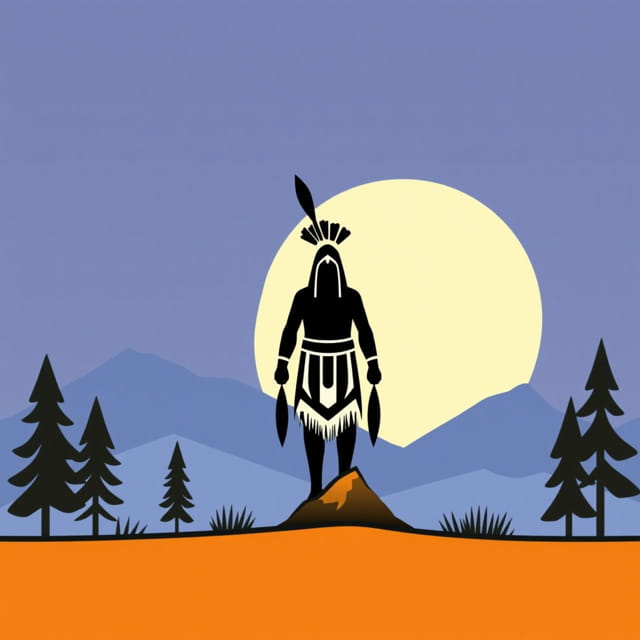
The Blackfeet Tribe, also known as the Blackfoot people, is one of the most influential Native American tribes with a deep history, strong traditions, and a lasting presence in North America. For centuries, the Blackfeet people have lived across the northern Great Plains, developing a rich culture closely tied to the land, bison, and their spiritual beliefs. Today, they continue to preserve their identity while also adapting to the modern world. Learning about the Blackfeet Tribe provides insight into their traditions, history, and contributions to Native American heritage.
Origins and Early History
The Blackfeet Tribe originally occupied vast areas of the northern Great Plains, including parts of Montana, North Dakota, and extending into Canada. They are traditionally known as nomadic hunters who relied heavily on the bison for food, shelter, clothing, and tools. Their name, Blackfeet, is believed to have come from the darkened soles of their moccasins, which were often blackened with ash or soil from the prairie.
Historically, the Blackfeet people were divided into different groups, the most well-known being the Piegan, Blood, and North Blackfoot. These divisions worked together but also maintained their own unique identities. Their early way of life revolved around survival in harsh environments, community organization, and strong warrior traditions that helped protect their lands.
Culture and Traditions
Spiritual Beliefs
Spirituality is at the core of Blackfeet culture. They believed in a powerful force known as the Sun or Napi, often referred to as the creator. Ceremonies such as the Sun Dance played an important role in honoring spiritual connections, asking for blessings, and strengthening tribal unity. Dreams and visions were also seen as sacred messages guiding personal and community decisions.
Role of the Bison
The bison was central to the life of the Blackfeet Tribe. Every part of the animal was used meat for food, hides for clothing and shelter, bones for tools, and sinew for thread. The bison was more than just a resource it was sacred and respected, symbolizing strength and survival. The near extinction of the bison in the 19th century greatly disrupted the tribe’s way of life.
Social Structure
The Blackfeet community was organized around extended families and bands. Leadership often came from respected elders or warriors known for their wisdom, bravery, and generosity. Sharing resources and supporting one another was an important value in maintaining harmony within the tribe.
Language of the Blackfeet Tribe
The traditional language of the Blackfeet people is part of the Algonquian language family. Known as Blackfoot or Siksiká, it has been spoken for generations and is an important marker of cultural identity. Over time, the language faced decline due to assimilation policies and boarding schools that discouraged Native languages. However, efforts have been made in recent decades to revitalize the language through educational programs, immersion schools, and community initiatives.
Historical Struggles and Resilience
Like many Native American tribes, the Blackfeet faced tremendous challenges following European settlement. With the westward expansion of settlers, conflicts over land, resources, and cultural survival became unavoidable. Treaties made in the 19th century often stripped the tribe of their lands and restricted them to reservations. Disease, starvation, and forced assimilation added to the hardships.
One of the darkest moments in Blackfeet history was the Marias Massacre of 1870, when U.S. soldiers attacked a peaceful camp, killing hundreds of Blackfeet people, including women and children. Despite such tragedies, the tribe endured, preserving many aspects of their culture while also adapting to changing times.
Blackfeet Reservation in Montana
Today, most members of the Blackfeet Tribe live on the Blackfeet Indian Reservation, located in northwestern Montana, near the border of Glacier National Park. The reservation spans over one million acres, making it one of the largest in the United States. It is home to thousands of enrolled members who continue to uphold their cultural identity while also engaging in modern economic and educational pursuits.
The reservation is not only a place of residence but also a center of cultural pride, where traditions such as powwows, ceremonies, and storytelling continue to thrive. At the same time, the community faces challenges such as unemployment, poverty, and healthcare disparities, issues that many Native American tribes continue to address today.
Economic and Modern Developments
The Blackfeet people have long sought ways to balance traditional living with modern economic opportunities. Cattle ranching, farming, tourism, and tribal enterprises play important roles in the reservation’s economy. The proximity to Glacier National Park allows for opportunities in tourism, where cultural tours, crafts, and events showcase Blackfeet heritage to visitors from around the world.
Additionally, the tribe has invested in education and natural resource management, working to protect their lands while creating sustainable opportunities for future generations. Casinos, government programs, and community initiatives also provide revenue and services to support the reservation’s growth.
Blackfeet Contributions to Culture
The Blackfeet Tribe has contributed significantly to Native American culture and American history as a whole. Their warrior traditions, artistry, and storytelling have left a deep impression. Traditional crafts such as beadwork, quillwork, and hide painting are admired for their beauty and symbolism. Music, including drumming and singing, continues to be an important cultural expression passed down through generations.
- Blackfeet beadwork is known for its intricate designs and vibrant colors.
- Storytelling is a way to preserve history, morals, and cultural identity.
- Traditional dances performed at powwows celebrate community and spirituality.
- Blackfeet warriors were historically respected for their bravery and skill in protecting their lands.
Preservation of Culture and Identity
In the modern era, the Blackfeet Tribe continues to focus on cultural preservation. Language revitalization programs are gaining momentum, ensuring that younger generations can speak and understand Blackfoot. Cultural centers and museums on the reservation highlight Blackfeet history, traditions, and contributions. Annual gatherings such as the North American Indian Days in Browning, Montana, bring together members of the tribe and visitors to celebrate heritage through music, dance, and storytelling.
Education also plays a vital role. Blackfeet Community College serves as an institution that blends academic studies with cultural teachings, empowering young people to embrace both traditional knowledge and modern education. Elders are often involved in teaching, ensuring wisdom is passed down in meaningful ways.
Blackfeet Tribe in Contemporary Times
Today, the Blackfeet people continue to thrive while navigating the challenges of the modern world. Many tribal members pursue careers in education, government, healthcare, and the arts. At the same time, cultural identity remains central, guiding decisions and strengthening community bonds. The Blackfeet Tribe demonstrates resilience, showing how Native American communities can preserve traditions while moving forward in a changing society.
The story of the Blackfeet Tribe is one of strength, perseverance, and cultural pride. From their origins as nomadic hunters on the northern Great Plains to their survival through centuries of hardship, the Blackfeet people have held tightly to their identity. Today, their traditions, language, and values continue to inspire future generations, ensuring that the spirit of the Blackfeet Tribe remains alive. Understanding their history and culture not only honors their legacy but also deepens appreciation for the diversity and resilience of Native American tribes in the United States.