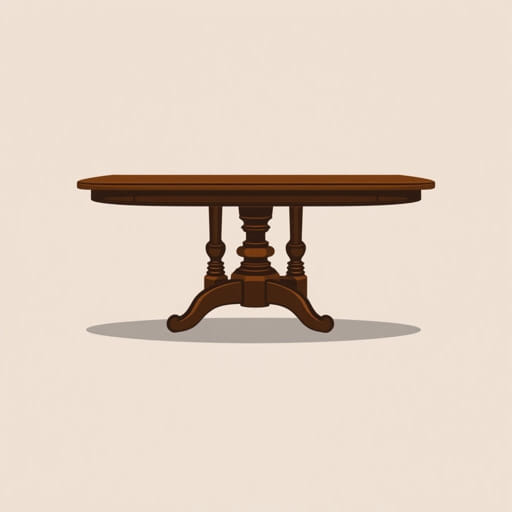
An antique Jacobean dining table is more than just a functional piece of furniture it is a statement of history, craftsmanship, and timeless design. With origins dating back to the early 17th century during the reign of James I of England, Jacobean furniture represents a distinctive period in British decorative arts. These tables are admired not only for their robust construction and carved detailing but also for their ability to add character and elegance to any dining space. Whether you are a collector, a vintage furniture enthusiast, or simply looking to add a touch of old-world charm to your home, understanding the appeal and characteristics of a Jacobean dining table can help you appreciate its value and legacy.
The Origins of Jacobean Style
The Jacobean period spanned from 1603 to around 1625, coinciding with the reign of King James I of England. It was a time marked by architectural innovation and the flourishing of decorative arts. Furniture from this era reflected both Renaissance influences and evolving English tastes, resulting in a bold, heavy style that emphasized durability and ornamentation.
Key Characteristics of Jacobean Furniture
- Strong geometric lines and symmetry
- Dark wood finishes, typically oak or walnut
- Turned legs and bulbous supports
- Intricate carvings featuring floral, scroll, or strapwork designs
- Sturdy construction built to last generations
These features are especially evident in antique Jacobean dining tables, which often became the focal point of formal dining rooms in English manor homes.
Design Features of Antique Jacobean Dining Tables
One of the most striking elements of a Jacobean dining table is its design. The tables typically feature solid, rectangular tops supported by heavily turned legs. Stretchers horizontal beams connecting the legs are commonly used for both structural support and decorative effect.
Common Styles and Forms
- Drawleaf Tables: Extendable tables with sliding leaves tucked beneath the main tabletop. These were practical for large gatherings.
- Gateleg Tables: Tables with hinged legs that swing out to support drop leaves, allowing them to be folded when not in use.
- Refectory Tables: Long, narrow tables often used in monasteries and later adapted for grand dining halls.
The rich craftsmanship and balance between function and form make these tables ideal for both traditional and eclectic interiors. Many antique Jacobean dining tables have been preserved for hundreds of years, still bearing the original joinery and wood grain that showcase the artisan’s work.
Materials and Craftsmanship
Jacobean furniture was predominantly made from oak, a hardwood favored for its strength and availability in England at the time. In later periods, walnut became a popular choice, offering a smoother finish and finer grain. These woods were ideal for carving and held up well under daily use.
Construction Techniques
Most antique Jacobean dining tables were handcrafted using mortise and tenon joints, wooden pegs, and hand-planed surfaces. Nails and screws were used minimally, if at all. The result is furniture that is not only beautiful but also built to endure decades, even centuries, of use.
Decorative Carvings
One of the defining features of Jacobean furniture is its carved decoration. Craftsmen used chisels and gouges to etch intricate designs into the wood. These might include stylized foliage, grotesque faces, rope motifs, or heraldic symbols. Each piece is unique, reflecting the maker’s skill and artistic vision.
How to Identify an Authentic Antique Jacobean Dining Table
With many reproductions on the market, it’s important to know how to recognize an authentic Jacobean table. While not all original pieces will have perfect symmetry or condition, several clues can help identify genuine antiques.
Signs of Authenticity
- Hand-cut joints and visible tool marks
- Patina or natural aging of the wood
- Irregularities in carving, showing it was handmade
- Oxidation or darkening of iron hardware
- Wear in expected areas such as feet or tabletop edges
Authentic Jacobean dining tables may also come with historical documentation or provenance, though this is not always available. Consulting with a reputable antique dealer or furniture appraiser is recommended if you’re uncertain.
Using a Jacobean Table in Modern Interiors
Despite their old-world origins, Jacobean dining tables can fit beautifully into contemporary homes. Their timeless quality and solid craftsmanship allow them to pair well with a variety of decor styles, from rustic farmhouse to modern minimalist.
Styling Tips
- Pair with upholstered dining chairs to soften the heavy wood look.
- Use a neutral table runner to highlight the carving without covering it.
- Mix with modern lighting fixtures for contrast.
- Keep the surrounding decor minimal to let the table be the star.
Whether used daily or reserved for special occasions, a Jacobean dining table adds warmth, elegance, and a sense of history to any space.
Care and Maintenance
Preserving an antique Jacobean table requires proper care. Although these tables are built to last, neglect or improper treatment can damage their surfaces and joints over time.
Maintenance Tips
- Keep out of direct sunlight to prevent fading or warping.
- Use coasters, placemats, or tablecloths to protect the finish.
- Dust regularly with a soft cloth; avoid silicone-based polishes.
- Apply a natural wax polish once or twice a year to maintain luster.
- Inspect for loose joints or damage and repair with professional help when needed.
With consistent care, an antique Jacobean dining table can continue to serve as a beautiful centerpiece in your home for generations to come.
Investment and Value
Antique Jacobean dining tables are not only admired for their beauty they also hold substantial value as collector’s items. Depending on the condition, size, craftsmanship, and historical significance, these tables can be worth thousands of dollars.
Factors Affecting Value
- Authenticity and age
- Condition and completeness
- Provenance or documented history
- Quality of carving and materials used
If you’re considering buying or selling an antique Jacobean table, it’s wise to have it appraised by an expert who specializes in early English furniture. Auctions, antique shows, and reputable dealers are common venues for sourcing or evaluating such pieces.
An antique Jacobean dining table is more than just a place to gather for meals it is a symbol of heritage, durability, and design excellence. From its rich history to its hand-carved elegance, each table tells a story of craftsmanship that has stood the test of time. Whether you’re a collector, decorator, or homeowner seeking a piece with character, a Jacobean table brings depth and dignity to any dining space. With proper care and appreciation, it becomes not just a furnishing, but a lasting legacy.