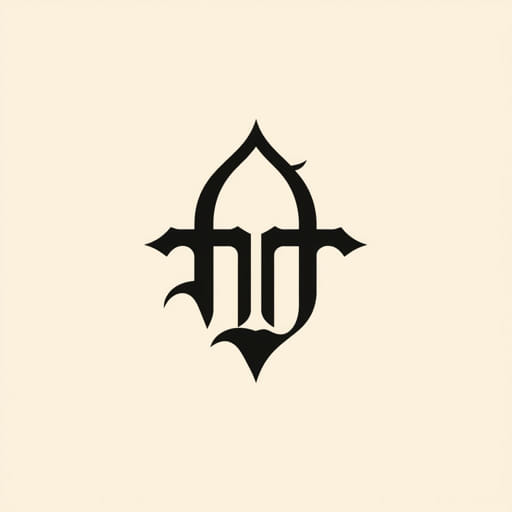
Gothic lettering is one of the most striking and recognizable styles of script, often associated with medieval manuscripts, old religious texts, and dramatic designs in modern graphic art. Characterized by its dark, angular, and ornate strokes, Gothic lettering has evolved over centuries while maintaining its rich visual identity. The bold and elaborate structure of Gothic letters has made it a favorite in tattoos, logos, calligraphy, and cultural artwork, especially for conveying a sense of heritage, strength, and tradition. Understanding what Gothic lettering is involves exploring its history, stylistic features, and its ongoing relevance in contemporary design.
Origins of Gothic Lettering
The roots of Gothic lettering can be traced back to Western Europe in the 12th century during the Gothic period. It emerged as a response to earlier Romanesque styles and quickly became a dominant form of script in handwritten texts. Monks and scribes used Gothic script in illuminated manuscripts, Bibles, and scholarly works because of its ability to pack more text into a limited space, thanks to its compressed and upright style.
This lettering style is often associated with blackletter, a term that includes various forms of Gothic script such as Textura, Fraktur, and Rotunda. These scripts were mainly used until the invention of the printing press, after which more legible Roman typefaces became popular. However, Gothic lettering remained an influential visual element in cultural and artistic circles.
Key Characteristics of Gothic Lettering
Gothic lettering is known for its distinctive appearance. Even someone unfamiliar with typography can recognize it because of the heavy, angular, and highly decorative forms it uses. Each letter often looks like it’s been carved with precision, giving it a bold and formal aesthetic.
Defining Features
- Vertical Emphasis Letters are upright with a strong vertical orientation, contributing to a dense and structured appearance.
- Angular Lines Many strokes feature sharp, pointed edges instead of smooth curves.
- High Contrast There’s a noticeable difference between thick and thin strokes, adding drama to the letterforms.
- Ornamentation Some variations include decorative elements like loops, swashes, and ligatures that interconnect letters.
- Condensed Shapes Letters are typically narrow, allowing more words per line, which was practical in medieval manuscript production.
Types of Gothic Lettering
Gothic lettering is not a single, uniform style it encompasses several distinct subtypes. Each has its own cultural and historical significance, yet all fall under the broader category of blackletter or Gothic script.
Common Styles
- Textura Perhaps the most rigid and formal style, often used in early printed books like the Gutenberg Bible.
- Fraktur A German variant developed in the 16th century with slightly more curved and flowing elements.
- Rotunda Popular in southern Europe, this style features rounder and softer lines compared to Textura.
- Bastarda A hybrid style that blends Gothic and cursive elements, making it more fluid and less rigid.
Each variation serves different purposes and reflects regional adaptations. Artists and designers often choose a style based on the tone or message they wish to convey be it authority, elegance, or tradition.
Modern Uses of Gothic Lettering
Despite its medieval origins, Gothic lettering continues to be widely used in contemporary design. Its dramatic and powerful look has made it a staple in various visual forms, ranging from branding to personal expression.
Where Gothic Lettering Appears Today
- Tattoos Often used for names, memorials, and statements that need to look bold and timeless.
- Logos and Branding Especially in industries like fashion, music (particularly metal and punk genres), and alcohol branding.
- Posters and Flyers Used to create dramatic impact and visual weight.
- Calligraphy Practiced as an art form for creating wedding invitations, certificates, and decorative writing.
- Street Art and Graffiti Popular among artists who want their work to reflect tradition, power, or rebellion.
In these contexts, Gothic script is appreciated not just for its historical roots but also for its aesthetic strength and emotional resonance.
Learning Gothic Lettering
Many calligraphy enthusiasts and artists are drawn to Gothic lettering because of its complexity and visual appeal. Mastering this style requires patience, attention to detail, and an understanding of its basic forms and stroke techniques.
Tools and Techniques
- Calligraphy Pens Broad nib pens are ideal for producing the thick-and-thin strokes that define Gothic style.
- Guidelines Practicing within structured lines helps maintain consistent height and spacing.
- Basic Strokes Learning the vertical, horizontal, and diagonal strokes is essential before constructing full letters.
- Repetition Practicing individual letters repeatedly builds muscle memory and control.
Online tutorials, calligraphy books, and workshops are great resources for beginners interested in developing their skills in Gothic writing.
Gothic Lettering in Digital Design
With the rise of digital typography, many font designers have recreated Gothic lettering styles in downloadable typefaces. These fonts are widely used in digital art, social media graphics, album covers, and merchandise. Designers can choose from highly ornate versions or more simplified styles that preserve the Gothic feel while improving legibility.
Examples of popular Gothic fonts include Old English Text, Cloister Black, and Fette Fraktur. These digital tools allow modern creators to integrate Gothic aesthetics into a variety of projects without needing hand-drawn precision.
Symbolism and Cultural Impact
Gothic lettering often carries deep symbolic meanings depending on its context. In religious texts, it signifies reverence and spiritual authority. In modern tattoos or street art, it may symbolize strength, rebellion, or remembrance. Its complex beauty also reflects discipline and artistic mastery.
In some cases, Gothic lettering has also become part of regional identity, such as its use in German national documents in earlier centuries or Chicano art movements in the United States. The script acts as a bridge between the past and present, carrying layers of meaning through its form and function.
Gothic lettering is a powerful form of visual communication that has endured for centuries. Its bold structure, historical depth, and emotional impact continue to inspire artists, designers, and calligraphers around the world. Whether seen in ancient manuscripts or modern tattoos, Gothic script remains a testament to the enduring power of stylized writing. Understanding what Gothic lettering is not only reveals its artistic elements but also uncovers the cultural stories it continues to tell across generations.