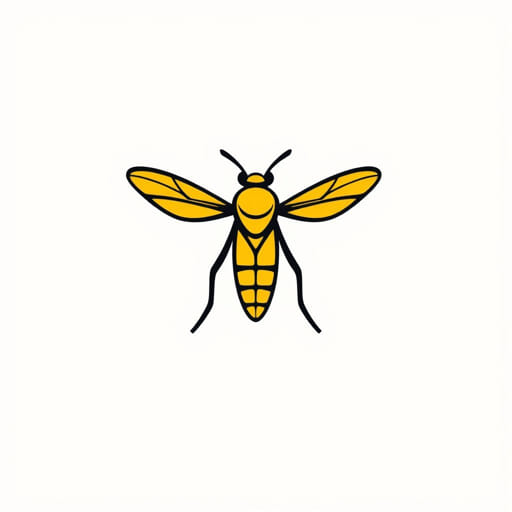
The yellow and black horsefly is a fascinating yet often frustrating insect commonly found in warm and humid environments across the globe. Known for its striking appearance and painful bite, this species plays a role in the ecosystem despite its notoriety. These flies are particularly active during the summer months, often hovering near livestock, humans, and water sources. While many people simply find them annoying, understanding the behavior, biology, and control of the yellow and black horsefly can help reduce discomfort and improve outdoor experiences.
Identification and Appearance
The yellow and black horsefly stands out because of its vivid coloration. Its body typically measures between 10 to 25 millimeters in length and is characterized by alternating bands of black and yellow on the abdomen. This warning coloration serves as a defense mechanism to deter predators, mimicking the appearance of more dangerous insects like wasps or bees.
One of the key features of this horsefly is its large, brightly colored compound eyes. These eyes allow the fly to detect movement and target warm-blooded hosts with precision. Female horseflies, which are the ones that bite, have blade-like mouthparts designed to pierce the skin and feed on blood, which is necessary for their reproductive cycle.
Behavior and Lifecycle
The life cycle of a yellow and black horsefly consists of four stages: egg, larva, pupa, and adult. Female horseflies lay hundreds of eggs on vegetation near water bodies. Once hatched, the larvae drop into moist soil or water, where they feed on organic material, small insects, or even other larvae. The larval stage may last for several months before pupating into an adult.
Adult horseflies are most active during daylight hours, especially in hot, humid weather. Females seek out blood meals from mammals, including horses, cattle, and humans, while males primarily feed on nectar and plant juices. After feeding, females search for suitable places to lay eggs, completing the cycle.
Habitat and Distribution
The yellow and black horsefly prefers environments with abundant water sources, such as wetlands, ponds, rivers, and marshes. These areas support the development of larvae and attract the mammals on which the adults feed. The species is commonly found in temperate and tropical regions around the world, including North America, Europe, Asia, and parts of Africa.
These flies tend to rest on vegetation, fence posts, or walls while waiting for a host to pass by. Their strong wings allow them to fly quickly and cover wide areas, making them difficult to avoid when outdoors in infested regions.
Impact on Humans and Animals
Yellow and black horseflies are notorious for their painful bites. Unlike mosquitoes that use a needle-like mouthpart, horseflies cut into the skin using scissor-like mandibles. The resulting wound can bleed significantly, and the fly’s saliva may cause irritation, allergic reactions, or even secondary infections.
For livestock, repeated bites can lead to stress, reduced feeding, and lower milk or meat production. In some cases, horseflies may transmit pathogens such as anthrax, tularemia, and equine infectious anemia. This makes their presence a serious concern for farmers and animal caretakers.
Symptoms of a Horsefly Bite
- Immediate sharp pain or burning sensation
- Redness and swelling around the bite area
- Itching and warmth at the site
- Occasionally, dizziness or fatigue from allergic reactions
Most horsefly bites heal on their own within a few days, but proper wound care is essential to avoid complications.
Preventive Measures and Control
Preventing contact with yellow and black horseflies is the most effective way to avoid bites. Though they can be persistent, there are several strategies to reduce their presence and impact in outdoor settings.
Personal Protection Tips
- Wear light-colored clothing that covers arms and legs
- Apply insect repellents containing DEET or picaridin
- Avoid perfumes or scented lotions that attract insects
- Stay indoors during peak fly activity (late morning and afternoon)
Environmental Control
- Eliminate stagnant water and improve drainage in the yard
- Use fly traps or sticky ribbons around barns and outdoor spaces
- Install fans in barns and stables to deter horseflies, as they dislike strong airflow
- Maintain vegetation and remove tall grass near water sources
Natural Predators and Biological Control
In natural ecosystems, horseflies have several predators that help regulate their populations. Birds, frogs, dragonflies, and some predatory insects feed on adult flies and larvae. Encouraging these natural enemies in outdoor areas can contribute to long-term control.
Biological control methods, such as introducing nematodes or parasitic wasps to target larvae, are being explored but are not yet widely available for horsefly management. These solutions require careful ecological consideration to avoid disrupting other species.
When to Seek Medical Attention
While most horsefly bites resolve without intervention, there are instances where medical attention is necessary. Signs that a bite may require professional care include:
- Severe swelling or spreading redness
- Signs of infection such as pus, warmth, or fever
- Persistent itching or discomfort
- Systemic allergic reactions such as hives or difficulty breathing
In such cases, a healthcare provider may prescribe antibiotics, antihistamines, or corticosteroids to manage symptoms and prevent complications.
Interesting Facts About Yellow and Black Horseflies
- Horseflies can fly at speeds of up to 30 miles per hour, making them fast and difficult to swat.
- They are more attracted to darker colors and movement, which explains why moving animals and humans are frequent targets.
- Despite their painful bite, horseflies do not inject anesthetics, which is why their bite is immediately felt.
- Only female horseflies bite; males are harmless to humans and animals.
The yellow and black horsefly is more than just a summertime nuisance. Its role in the environment, though often overshadowed by its aggressive behavior, is part of a complex web of interactions. For those who spend time in nature, especially in warm and wet regions, being aware of these insects and taking steps to avoid their bites is crucial. With a combination of personal precautions and environmental management, it is possible to enjoy the outdoors with fewer interruptions from this persistent and strikingly colored fly.