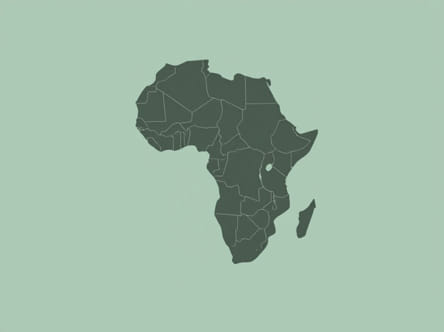
The Gambia is one of Africa’s smallest and most distinct countries, often catching attention due to its unique geography and vibrant culture. Despite its small size, many people still wonder where is The Gambia in Africa? Understanding The Gambia’s location is key to appreciating its historical importance, ecological richness, and cultural identity. This narrow strip of land stretches along a major river, surrounded almost entirely by another country, and plays a surprisingly influential role in West Africa.
Geographical Location of The Gambia
Position in West Africa
The Gambia is located in the western region of the African continent. Specifically, it lies along the Atlantic coast and extends inland, following the path of the Gambia River. It is one of the westernmost countries in Africa, with its coastline facing the Atlantic Ocean. Geographically, The Gambia is situated between latitudes 13° and 14°N and longitudes 13° and 17°W.
Bordering Countries
What makes The Gambia particularly interesting is that it is almost entirely surrounded by just one country Senegal. The Gambia is shaped like a long, narrow strip of land that cuts through the middle of Senegal. It shares about 749 kilometers of land borders with Senegal and has a short Atlantic coastline of roughly 80 kilometers. This positioning gives The Gambia a strategic and unique placement in West Africa.
The Gambia River A Lifeline
Central to National Geography
The Gambia River is the most important physical feature in the country. It runs from the eastern border with Senegal to the Atlantic Ocean, dividing The Gambia into northern and southern halves. The country’s shape and infrastructure are heavily influenced by the river, which serves as a transportation route and supports agriculture and fishing communities.
Ecological Significance
The river’s surrounding wetlands, mangroves, and estuaries provide vital habitats for many bird species and other wildlife. The Gambia River National Park and other reserves highlight the country’s role in biodiversity conservation, making it a destination for ecotourism and birdwatching.
Administrative Regions and Major Cities
Divisions of the Country
The Gambia is divided into five administrative regions and one city. These regions are
- West Coast Region
- Lower River Region
- Central River Region
- Upper River Region
- North Bank Region
- Banjul (capital city)
Banjul and Other Urban Areas
Banjul, the capital of The Gambia, is located on St. Mary’s Island at the mouth of the Gambia River. While Banjul is the official capital, the largest urban area is the Kanifing Municipality, which includes cities like Serrekunda. These urban centers are economic and administrative hubs, while much of the rest of the country is rural and centered around agriculture.
Climate and Environmental Features
Tropical Weather Patterns
The Gambia has a tropical climate characterized by a wet season and a dry season. The wet season typically runs from June to October, while the dry season lasts from November to May. Temperatures remain warm year-round, often ranging between 24°C and 38°C (75°F to 100°F).
Natural Landscapes
Though small in area, The Gambia boasts a range of landscapes, including mangroves, savannahs, and woodlands. Protected areas like Abuko Nature Reserve and Kiang West National Park showcase the variety of flora and fauna found within its borders. These areas are essential for both conservation and tourism.
Historical Context of The Gambia’s Location
Colonial Legacy
The Gambia’s current borders are a result of European colonial interests. It was once part of a larger area contested by the British and the French during the colonial era. Eventually, the British established control over the narrow strip of land along the Gambia River, while the surrounding areas became part of French-controlled Senegal. This explains the unusual shape and the enclave-like position of the country.
Independence and Nationhood
The Gambia gained independence from Britain in 1965 and has since remained a sovereign state. Its small size and geographic isolation from major African powers have helped it maintain a unique political and cultural identity, even while cooperating with neighboring Senegal in several areas over the years.
Cultural Significance and Demographics
Ethnic Groups and Languages
The Gambia is ethnically diverse, with major groups including the Mandinka, Fula, Wolof, Jola, and Serahule. English is the official language, a legacy of British colonization, but many local languages are widely spoken, especially in rural communities. The population is known for its hospitality, often referred to as the Smiling Coast of Africa.”
Religious Practices
Islam is the dominant religion, practiced by about 95% of the population. Christianity and traditional African religions are also present in smaller numbers. Religious tolerance is a hallmark of Gambian society, with communities often celebrating each other’s holidays and events.
Transportation and Accessibility
Road and River Networks
The Gambia’s transportation infrastructure centers around the river and several key roadways. Ferries connect the north and south banks, while bridges are being developed to improve connectivity. Roads link Banjul with inland towns and also provide routes to Senegal and beyond.
International Access
The Gambia is accessible by air through the Banjul International Airport, which serves as the main point of entry for international visitors. It is also possible to reach the country by road from Senegal, though proper documentation is required for cross-border travel.
Tourism and Global Recognition
Tourism Industry
Tourism is a major contributor to The Gambia’s economy. Visitors are attracted by its warm climate, sandy beaches, cultural experiences, and wildlife. The coastal resorts near Banjul, as well as river tours and eco-lodges, make The Gambia a unique travel destination in Africa.
Global Visibility
Despite its small size, The Gambia has been in the global spotlight for various reasons, including human rights developments, democratic transitions, and environmental efforts. Its peaceful political transitions and emphasis on tourism and conservation have helped the country build a positive international image.
So, where is The Gambia in Africa? It is a small but vibrant country on the western edge of the continent, surrounded by Senegal and centered around the life-giving Gambia River. From its capital in Banjul to its rural heartlands, The Gambia offers a unique blend of geography, culture, and history that sets it apart. Though modest in size, its strategic coastal location, natural beauty, and rich heritage make it a meaningful part of Africa’s diverse landscape. Whether you’re studying African geography or planning a visit, understanding The Gambia’s location adds depth to your appreciation of this extraordinary country.