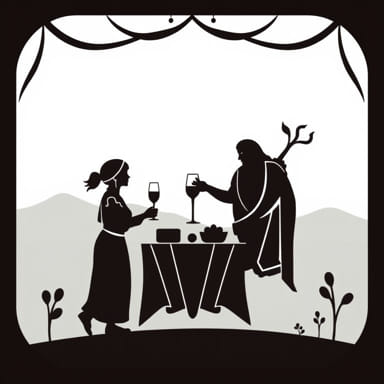
The word bacchanalian evokes images of wild parties, unrestrained revelry, and festive excess. Commonly used in literature and conversation to describe drunken celebrations or raucous behavior, this term has deep historical and mythological roots. Understanding where bacchanalian comes from offers insight into both language evolution and ancient cultural practices that have shaped modern expressions and social references.
Origins in Roman and Greek Mythology
The God Bacchus
The word bacchanalian is directly derived from Bacchus, the Roman god of wine, pleasure, and festivity. Bacchus is the Roman equivalent of the Greek god Dionysus. Both deities were worshipped as the divine personification of ecstasy, madness, and liberation through wine and music. Their followers often engaged in ritualistic ceremonies designed to escape the constraints of societal norms and connect with the divine.
The Bacchanalia Festivals
The term bacchanalia referred to the festivals held in honor of Bacchus. These celebrations were known for their intense emotional and physical experiences, where participants would drink wine, dance, sing, and sometimes enter trance-like states. Originally held in secret, the Bacchanalia grew in size and notoriety until they were eventually banned by the Roman Senate in 186 BCE due to their perceived threat to social order.
Linguistic Development of Bacchanalian
From Latin to English
The Latin term bacchanalia referred to both the festivals and the chaotic energy associated with them. Over time, this word was adopted into Middle French as bacchanal, which carried similar meanings of riotous partying or excessive indulgence. From French, the word entered the English language during the 16th century and began evolving into the adjective bacchanalian.
Adjectival Use and Semantic Range
As an adjective, bacchanalian began to be used to describe anything resembling the wild and intoxicating atmosphere of the Bacchanalia. This includes drunken parties, uninhibited behavior, and events characterized by an overwhelming sense of freedom and sensory indulgence. While originally rooted in religion and spirituality, its use has become secular over the centuries.
Examples of Bacchanalian Usage
Literary References
Writers and poets have used bacchanalian to paint vivid scenes of feasting and madness. For example
- The guests indulged in a bacchanalian feast that lasted until dawn.
- The poem captured a bacchanalian spirit, where joy and chaos ruled the night.
These examples show how the word evokes not just drinking, but a total departure from restraint.
Modern Connotations
Today, bacchanalian often carries a slightly humorous or exaggerated tone when describing wild events. While it can imply disorder, it’s typically used metaphorically to describe any high-energy, over-the-top celebration, rather than actual religious rituals.
Cultural Significance of Bacchanalian Practices
Symbolism of Wine and Liberation
In both Greek and Roman traditions, wine represented more than just a drink. It symbolized a release from ordinary consciousness and a path toward divine ecstasy. Bacchanalian rituals allowed people to transcend their roles in society women, slaves, and commoners could all participate and experience a moment of equality through shared revelry.
Controversy and Control
The wild nature of Bacchanalia often brought them into conflict with state authorities. The Roman Senate viewed these events as potentially subversive and sought to limit their influence. This highlights the tension between personal freedom and public order a theme that remains relevant today.
Psychological and Social Interpretations
Expression of Repressed Emotions
Some scholars interpret bacchanalian behavior as a necessary outlet for repressed feelings. In societies with strict norms and hierarchies, such rituals provided a temporary space for people to act outside of expectations. This controlled chaos served as a form of emotional release and social balance.
Community and Connection
Despite their reputation for wildness, bacchanalian gatherings often fostered a strong sense of community. Participants felt bonded through shared experiences, laughter, and vulnerability. These events reminded people of their shared humanity, regardless of status or background.
Variations Across Cultures
Dionysian vs. Bacchanalian
While bacchanalian is more commonly used in English, Dionysian is another term rooted in the Greek god Dionysus. Both terms describe similar themes of ecstasy and disorder, but Dionysian is often used in philosophical or artistic contexts. Friedrich Nietzsche, for instance, contrasted Dionysian and Apollonian forces to explore the balance between chaos and order in human nature.
Global Parallels
Many cultures have their own versions of bacchanalian celebrations. Carnivals, harvest festivals, and Mardi Gras all carry echoes of the same themes temporary suspension of rules, ecstatic joy, and collective celebration. These modern events may not invoke Bacchus by name, but they follow a long-standing human tradition.
Related Vocabulary and Expressions
Common Synonyms and Related Terms
- Bacchanal– A noun describing a noisy party or celebration.
- Debauchery– Excessive indulgence in sensual pleasures, often used with a more negative connotation.
- Carousal– Boisterous drinking party.
- Revelry– Festive and noisy celebration.
Each of these words shares thematic similarities with bacchanalian, though they may differ in tone and usage.
The Lasting Influence of Bacchanalian Culture
The word bacchanalian carries with it centuries of cultural, mythological, and linguistic history. Originating from the worship of Bacchus in ancient Rome, it has transformed from a term describing sacred rituals to a descriptor of wild parties and uninhibited joy. Yet, beneath its modern usage lies a deeper reflection on the human need for expression, release, and connection. Whether viewed through historical, linguistic, or psychological lenses, the bacchanalian spirit continues to resonate in today’s world, reminding us of our enduring desire to celebrate life in all its chaotic beauty.