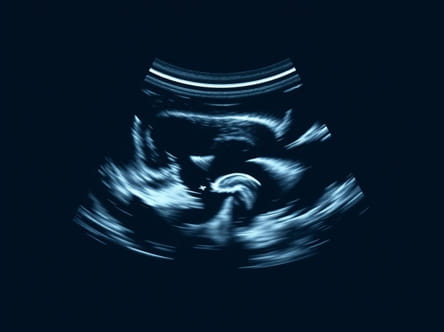
When a thickened uterine lining is observed on an ultrasound, it often raises questions and concerns for women undergoing gynecological evaluation. The uterine lining, also known as the endometrium, naturally changes in thickness throughout the menstrual cycle under the influence of hormones. However, when ultrasound imaging reveals an unusually thickened lining, it may indicate a range of physiological or pathological conditions. Understanding the causes, implications, and next steps is essential for proper management and peace of mind.
Understanding the Endometrium
The endometrium is the inner lining of the uterus that plays a critical role in the reproductive system. Its thickness fluctuates in response to hormonal changes during the menstrual cycle. After menstruation, the lining is typically thin, but it gradually thickens under the influence of estrogen during the follicular phase, preparing for potential implantation of a fertilized egg. If pregnancy does not occur, the lining sheds during menstruation.
Normal Endometrial Thickness
Endometrial thickness varies depending on age, hormonal status, and the timing of the menstrual cycle
- Pre-menopausal women 6-16 mm during the secretory phase, thinner during menstruation
- Post-menopausal women usually less than 5 mm
- Women on hormone replacement therapy thickness may vary depending on treatment
Ultrasound imaging is a key tool for evaluating endometrial thickness and assessing potential abnormalities.
Causes of Thickened Uterine Lining
Several factors can lead to a thickened endometrium, ranging from normal hormonal changes to medical conditions requiring intervention. Common causes include
Hormonal Imbalance
Excess estrogen without adequate progesterone can lead to endometrial hyperplasia, where the lining becomes abnormally thick. Hormonal imbalances can result from
- Polycystic ovary syndrome (PCOS)
- Obesity, which increases estrogen production
- Perimenopause or irregular menstrual cycles
Endometrial Hyperplasia
Endometrial hyperplasia is a condition characterized by the excessive growth of endometrial cells. It may be simple or complex, and in some cases, atypical hyperplasia can be a precursor to endometrial cancer. Symptoms often include abnormal uterine bleeding, but some women may remain asymptomatic, making ultrasound findings crucial for early detection.
Pregnancy-Related Changes
During early pregnancy, the endometrium thickens to support implantation and placental development. Ultrasound may reveal a thickened lining in women who are unaware of pregnancy. Additional evaluation, including a pregnancy test, is essential to confirm this cause.
Polyps and Fibroids
Benign growths such as endometrial polyps or submucosal fibroids can increase endometrial thickness. Polyps are localized overgrowths of the endometrial tissue, while fibroids are muscular tumors that can distort the uterine cavity. Both may contribute to abnormal bleeding patterns and can be detected via ultrasound.
Endometrial Cancer
Although less common, especially in premenopausal women, a thickened endometrium may be an early sign of endometrial cancer. Risk factors include post-menopausal status, obesity, diabetes, hypertension, and prolonged exposure to unopposed estrogen. Prompt evaluation through biopsy may be recommended if suspicious findings are noted.
Symptoms Associated with Thickened Uterine Lining
While some women may be asymptomatic, others may experience noticeable changes
- Abnormal uterine bleeding, including heavy periods or bleeding between cycles
- Pelvic discomfort or pressure
- Infertility or difficulty conceiving in some cases
- Post-menopausal bleeding, which is always considered abnormal and warrants immediate evaluation
Diagnostic Approach
When a thickened endometrium is identified on ultrasound, further evaluation is often needed to determine the cause. Diagnostic steps may include
Transvaginal Ultrasound
This imaging technique provides detailed views of the endometrium, allowing measurement of thickness and detection of polyps, fibroids, or irregularities.
Endometrial Biopsy
A biopsy involves sampling endometrial tissue for microscopic examination. It is particularly important for post-menopausal women or women with risk factors for endometrial cancer.
Hysteroscopy
Hysteroscopy allows direct visualization of the uterine cavity and targeted removal of polyps or suspicious tissue. It is often used in conjunction with biopsy for accurate diagnosis.
Treatment Options
Treatment depends on the underlying cause of the thickened endometrium
Hormonal Therapy
For women with hormonal imbalances, progestin therapy may be prescribed to regulate endometrial growth. Birth control pills or hormone therapy may also help normalize the menstrual cycle and prevent hyperplasia.
Surgical Intervention
- Polypectomy removal of endometrial polyps
- Myomectomy removal of fibroids affecting the uterine lining
- Dilation and curettage (D&C) scraping the lining for diagnostic or therapeutic purposes
- Hysterectomy removal of the uterus, considered in severe or cancerous cases
Monitoring and Follow-Up
For women with mild hyperplasia or no symptoms, close monitoring with periodic ultrasounds may be recommended. Lifestyle modifications, including weight management and control of diabetes or hypertension, can help reduce the risk of progression.
Prognosis
The prognosis varies depending on the underlying cause. Benign causes such as hormonal imbalance or polyps usually respond well to treatment and carry a good outcome. Early detection of atypical hyperplasia or endometrial cancer significantly improves the chances of successful treatment. Regular gynecological check-ups and prompt evaluation of abnormal bleeding are key factors in maintaining reproductive and overall health.
Thickened uterine lining seen on ultrasound is a finding that requires careful assessment to determine its cause. From normal hormonal fluctuations to more serious conditions such as endometrial hyperplasia or cancer, understanding the potential reasons for endometrial thickening allows timely intervention and effective management. Symptoms like abnormal bleeding or pelvic discomfort, combined with diagnostic tools such as transvaginal ultrasound, biopsy, and hysteroscopy, guide healthcare providers in treatment decisions. Whether managed through hormonal therapy, surgical procedures, or lifestyle changes, addressing thickened endometrium promptly ensures better outcomes and helps maintain reproductive health. Regular follow-up and awareness of risk factors are essential for women of all ages when confronted with this finding.