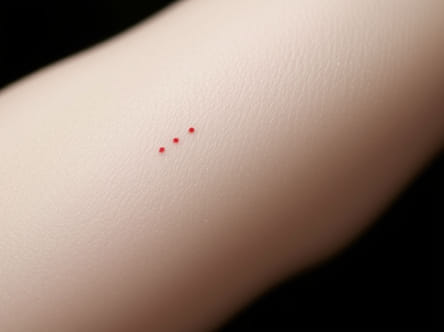
Red little dots on the skin can be alarming for many people, especially when they appear suddenly and without an obvious cause. These tiny spots, sometimes referred to as petechiae, can range in size and may appear anywhere on the body. While often harmless, red dots can sometimes indicate underlying medical conditions that require attention. Understanding the potential causes, treatments, and when to seek medical advice is crucial for maintaining skin health and overall well-being.
What Are Red Little Dots on Skin?
Definition and Characteristics
Red little dots, or petechiae, are small, pinpoint-sized spots that appear on the skin when tiny blood vessels, called capillaries, break and leak blood under the skin. They are typically red, purple, or brown and do not blanch when pressed. These spots may appear in clusters or as isolated marks and can vary in number and size.
Common Locations
Red dots can appear anywhere on the body but are commonly found on the arms, legs, stomach, and chest. They may also appear in areas prone to friction or pressure, such as the thighs, calves, or behind the knees.
Common Causes of Red Dots
Minor Trauma or Pressure
One of the most frequent causes of red little dots on the skin is minor trauma. Simple activities like tight clothing, prolonged sitting, or minor bumps can cause capillaries to rupture, leading to petechiae. These spots typically resolve on their own within a few days.
Allergic Reactions
Red dots can also result from allergic reactions. Contact with certain plants, chemicals, or cosmetics may trigger skin reactions that include small red spots, itching, and swelling. Identifying and avoiding the allergen usually resolves the issue.
Infections
Certain viral and bacterial infections can cause red dots on the skin. For example, viral illnesses like measles or chickenpox produce widespread red spots, while bacterial infections like meningococcemia can cause more serious symptoms along with petechiae. Infections often come with other signs such as fever, fatigue, or body aches.
Medication Side Effects
Some medications, including blood thinners, antibiotics, and chemotherapy drugs, may cause red dots as a side effect. These spots are usually due to changes in blood clotting or increased capillary fragility.
Underlying Medical Conditions
Persistent or widespread red dots may indicate more serious medical conditions. Examples include
- Thrombocytopenia Low platelet count can cause easy bruising and red dots.
- Vasculitis Inflammation of blood vessels may result in pinpoint red marks.
- Liver disease Impaired liver function can affect blood clotting and cause skin changes.
- Blood disorders Conditions like leukemia can manifest with petechiae.
Diagnosis and Medical Evaluation
When to See a Doctor
It is important to seek medical attention if red little dots appear suddenly, are widespread, or are accompanied by other symptoms such as fever, fatigue, or unexplained bruising. A healthcare professional can determine the underlying cause and recommend appropriate treatment.
Diagnostic Procedures
To diagnose the cause of red dots, a doctor may perform several evaluations
- Physical examination to assess the appearance, distribution, and size of the spots.
- Blood tests to check platelet count, clotting function, and markers of infection or inflammation.
- Allergy testing if an allergic reaction is suspected.
- Skin biopsy in rare cases to analyze tissue and identify underlying conditions.
Treatment Options
Self-Care and Home Remedies
For red dots caused by minor trauma or pressure, self-care is usually sufficient. Rest, gentle skin care, and avoiding further friction can help the spots resolve naturally. Cold compresses may reduce swelling and discomfort.
Medication and Medical Treatments
If the red dots are caused by an underlying medical condition, treatment will focus on addressing the root cause. Options may include
- Adjusting or changing medications that contribute to the problem.
- Prescribing antihistamines or corticosteroids for allergic reactions.
- Administering antibiotics for bacterial infections.
- Treating blood disorders or clotting abnormalities under specialist guidance.
Monitoring and Follow-Up
Regular follow-up is essential for persistent or recurring red dots, particularly if caused by chronic medical conditions. Monitoring ensures early detection of complications and allows timely adjustments to treatment plans.
Preventive Measures
Skin Care Practices
Maintaining healthy skin can reduce the risk of developing red little dots. Gentle cleansing, moisturizing, and avoiding harsh chemicals help preserve skin integrity. Wearing protective clothing and avoiding prolonged pressure on sensitive areas can also prevent trauma-induced petechiae.
Healthy Lifestyle
Eating a balanced diet rich in vitamins and minerals, staying hydrated, and exercising regularly support overall blood vessel health. Avoiding smoking and limiting alcohol intake also help maintain skin and circulatory system health.
Medical Awareness
Being aware of medications, allergies, and family medical history is crucial for preventing red dots caused by internal conditions. Regular health check-ups and prompt attention to new symptoms can help catch underlying issues early.
Red little dots on the skin can have a wide range of causes, from harmless trauma to serious medical conditions. Understanding the characteristics, potential triggers, and treatments is vital for appropriate management. While minor cases often resolve on their own, persistent, widespread, or symptomatic red dots require medical evaluation to rule out serious underlying problems. With proper care, monitoring, and medical guidance, most people can effectively manage red dots and maintain healthy skin, ensuring peace of mind and overall well-being.