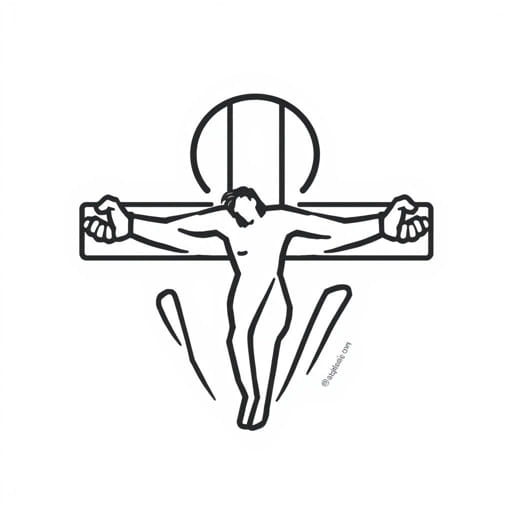
The phrase often associated with the Apostle Paul, I crucify myself daily, expresses a deep spiritual truth about Christian living. While Paul never used these exact words, the idea comes from his teachings about dying to self and living in Christ. The concept points to the ongoing struggle between human desires and the call to follow Jesus wholeheartedly. It captures the essence of Christian discipleship as a daily commitment to self-denial, surrender, and transformation through the Spirit.
Biblical Foundation of Crucifying the Self
Paul frequently spoke about crucifixion as a metaphor for spiritual growth. In Galatians 220, he declares, I have been crucified with Christ, and I no longer live, but Christ lives in me. This statement reflects the idea that believers must continually put to death selfish desires and sinful tendencies in order to live fully in the grace of God.
Daily Dying to Self
The expression of dying daily appears in 1 Corinthians 1531, where Paul writes, I die daily. He was emphasizing not only the risk of persecution and hardship in his ministry but also the inner struggle of giving up his own will for the sake of Christ. Crucifying the self is not a one-time event but a continual process.
- Galatians 220 – Crucified with Christ
- Romans 66 – The old self crucified with Him
- 1 Corinthians 1531 – Dying daily as part of Christian living
The Meaning of Crucifying the Flesh
When Paul spoke of crucifixion in spiritual terms, he often referred to the flesh. In biblical language, flesh represents sinful nature, selfish ambition, and worldly desires. Crucifying the flesh means putting these impulses to death so that the believer can walk in the Spirit. This is not about physical suffering but about spiritual discipline.
Practical Application
For Christians, crucifying the flesh involves daily decisions such as resisting temptation, practicing humility, forgiving others, and prioritizing God’s will. It requires self-control and reliance on prayer and Scripture. In this way, crucifixion is less about pain and more about surrender to God’s transforming power.
- Letting go of pride and selfish ambition
- Choosing forgiveness instead of bitterness
- Turning away from sinful habits
- Submitting desires to God’s guidance
Spiritual Discipline and Daily Sacrifice
Paul’s call to die daily is connected to the larger theme of sacrifice in the Christian life. In Romans 121, he urges believers to present their bodies as living sacrifices, holy and pleasing to God. This sacrifice is not a single act but a lifestyle of dedication, where every thought, action, and decision is shaped by faith.
Why It Must Be Daily
Human nature constantly pulls toward comfort, pride, and sin. If crucifixion of the self were only a one-time event, the struggle would be over immediately. Instead, Paul highlights that believers must choose every day to deny themselves and follow Christ. This ongoing choice builds spiritual maturity and resilience.
The Connection to Jesus’ Teaching
Paul’s emphasis on crucifixion aligns with Jesus’ own teaching in Luke 923, where He says, If anyone would come after me, let him deny himself, take up his cross daily, and follow me. The daily nature of the cross reflects constant commitment, not just occasional devotion.
Living by the Cross
To crucify the self daily is to carry one’s cross in practical ways. This may mean sacrificing personal gain for the sake of others, embracing humility, or enduring trials with faith. It is about aligning one’s heart with the example of Christ, who showed ultimate self-denial in His death on the cross.
Challenges of Dying to Self
Choosing to crucify the self daily is not easy. Human desires are persistent, and cultural pressures often encourage self-indulgence rather than self-denial. The challenge lies in recognizing the constant need for God’s strength and refusing to rely solely on personal willpower.
Common Struggles
- Temptation to pursue worldly success above spiritual growth
- Difficulty in forgiving others and letting go of resentment
- Resistance to humility and preference for self-glory
- Struggles with addictive habits or unhealthy patterns
Paul’s words remind believers that these struggles are not signs of failure but part of the Christian journey. The act of crucifying the self is a continuous response to God’s call rather than an instant transformation.
The Role of the Holy Spirit
Paul never intended for believers to crucify themselves daily by their own strength alone. He consistently emphasized the power of the Holy Spirit as the source of renewal and transformation. In Galatians 516, he instructs believers to walk by the Spirit so that they will not gratify the desires of the flesh.
Spirit-Led Crucifixion
Allowing the Holy Spirit to guide daily life makes the process of self-crucifixion possible. Through prayer, meditation, and obedience to God’s Word, believers receive strength to overcome temptation and live in freedom. The Spirit empowers what human will cannot accomplish alone.
Benefits of Crucifying the Self Daily
Although it involves sacrifice, crucifying the self daily leads to spiritual freedom and growth. The process shapes character, deepens faith, and strengthens relationships with God and others. Rather than restricting life, it brings joy and peace that comes from aligning with God’s will.
- Freedom from destructive habits
- Greater peace and contentment
- Stronger ability to forgive and love others
- Deeper intimacy with God
- Growth in spiritual maturity and wisdom
Paul’s Example of Daily Crucifixion
Paul’s life itself was a testimony to the principle of daily crucifixion. He endured persecution, imprisonment, and hardship, yet remained faithful to his calling. His letters reveal an ongoing commitment to sacrifice his own desires for the sake of spreading the gospel and serving others.
Encouragement for Believers
Paul’s perseverance demonstrates that while crucifying the self is difficult, it is also deeply rewarding. His example encourages modern believers to persist in faith, even when faced with trials, trusting that God uses daily sacrifice to accomplish greater purposes.
Living the Message Today
In today’s world, the call to crucify oneself daily remains relevant. Modern life offers constant distractions and temptations that pull people away from faith. Applying Paul’s teaching means making conscious choices to live with humility, integrity, and devotion to God in every situation.
Practical Steps for Daily Crucifixion
- Begin the day with prayer and surrender to God’s will
- Practice gratitude instead of complaining
- Choose forgiveness in moments of conflict
- Prioritize service to others over self-interest
- Reflect on Scripture for guidance and renewal
Paul’s words about dying daily capture the essence of Christian discipleship. To crucify oneself daily is to embrace a life of surrender, service, and transformation. It means letting go of pride, selfishness, and sin, while allowing Christ to live through us. Though challenging, this process brings lasting peace, freedom, and intimacy with God. Just as Paul lived out this truth, believers today are called to walk the same path of daily crucifixion, trusting that each act of surrender draws them closer to the fullness of life in Christ.