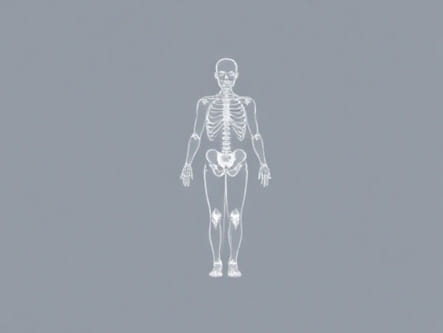
Many people often confuse rheumatism and rheumatoid arthritis, thinking they are the same condition. However, these terms describe different concepts in the world of joint and musculoskeletal disorders. Rheumatism is a broad, historical term used to describe various painful conditions affecting the joints, muscles, and connective tissues, while rheumatoid arthritis is a specific autoimmune disease characterized by inflammation of the joints. Understanding the differences between rheumatism and rheumatoid arthritis is essential for accurate diagnosis, treatment, and patient awareness.
What Is Rheumatism?
Rheumatism is a general term that has been used for centuries to describe a range of disorders that cause pain and stiffness in the joints, muscles, or connective tissues. It is not a precise medical diagnosis but rather an umbrella term that covers multiple conditions related to musculoskeletal pain.
Common Conditions Referred to as Rheumatism
- Osteoarthritis
- Fibromyalgia
- Rheumatoid arthritis
- Lupus
- Tendinitis
- Other inflammatory or degenerative joint diseases
Because rheumatism is vague, it often leads to confusion when discussing symptoms or treatments. The term is less commonly used in modern medicine, replaced by more specific diagnoses.
What Is Rheumatoid Arthritis?
Rheumatoid arthritis (RA) is a chronic autoimmune disorder that specifically targets the lining of the joints, called the synovium. Unlike the broad term rheumatism, RA is a well-defined medical condition with identifiable causes, symptoms, and treatments.
Characteristics of Rheumatoid Arthritis
- Autoimmune attack on joint tissues
- Symmetrical joint inflammation (affecting both sides of the body)
- Chronic pain, swelling, and stiffness
- Potential joint deformity and loss of function over time
- Systemic symptoms such as fatigue, fever, and weight loss
RA primarily affects the small joints of the hands and feet but can involve larger joints and organs. Early diagnosis and treatment are crucial to prevent long-term joint damage.
Differences Between Rheumatism and Rheumatoid Arthritis
Understanding the differences helps clarify why rheumatism and rheumatoid arthritis are not interchangeable terms.
Scope and Definition
- RheumatismA broad term describing various conditions involving joint or muscle pain, not a specific disease.
- Rheumatoid ArthritisA specific autoimmune disease causing chronic inflammation of the joints.
Cause
- RheumatismCauses vary depending on the underlying condition, including wear and tear, inflammation, or other diseases.
- Rheumatoid ArthritisCaused by the immune system mistakenly attacking joint tissues.
Symptoms
- RheumatismGeneralized pain and stiffness; symptoms vary widely based on the exact diagnosis.
- Rheumatoid ArthritisJoint swelling, redness, warmth, symmetrical pain, morning stiffness lasting more than an hour.
Treatment Approach
- RheumatismTreatment depends on the specific condition but may include pain relief, physical therapy, and lifestyle changes.
- Rheumatoid ArthritisRequires disease-modifying antirheumatic drugs (DMARDs), immunosuppressants, and sometimes biologic therapies.
Why the Confusion Exists
The term rheumatism has historical roots and was once used as a catch-all phrase for any joint or muscle pain. As medical science advanced, clearer definitions and diagnostic criteria were developed, leading to distinct names for different diseases. Despite this, the word rheumatism persists in everyday language, causing misunderstanding among patients and even some healthcare discussions.
How Rheumatism Is Used Today
In contemporary medical practice, rheumatism is rarely used as a formal diagnosis. Instead, healthcare providers focus on identifying specific diseases based on symptoms, physical examinations, lab tests, and imaging studies.
Examples of Diagnoses That Were Once Called Rheumatism
- Osteoarthritis Degenerative joint disease caused by cartilage wear.
- Rheumatoid arthritis Autoimmune inflammatory arthritis.
- Fibromyalgia Chronic widespread musculoskeletal pain with fatigue and sleep issues.
- Lupus Autoimmune disease affecting multiple organs including joints.
Using precise medical terminology improves communication, guides treatment, and helps patients understand their health conditions more clearly.
Signs You Should See a Doctor
If you experience persistent joint pain, swelling, stiffness lasting more than 30 minutes in the morning, or any difficulty in moving joints, it’s important to seek medical advice. Early diagnosis of rheumatoid arthritis and other inflammatory conditions can significantly improve outcomes.
When Rheumatoid Arthritis Is Suspected
- Symmetrical joint pain and swelling
- Morning stiffness lasting more than an hour
- Fatigue and general feeling of unwellness
- Family history of autoimmune diseases
Treatment Options for Rheumatoid Arthritis
Treatment focuses on reducing inflammation, preventing joint damage, and improving quality of life. Common treatments include
- Nonsteroidal anti-inflammatory drugs (NSAIDs) for pain relief
- Corticosteroids to quickly reduce inflammation
- Disease-modifying antirheumatic drugs (DMARDs) to slow disease progression
- Biologic agents targeting specific immune pathways
- Physical therapy and exercise programs
Living with Rheumatism vs. Rheumatoid Arthritis
Living with general rheumatism symptoms can vary widely depending on the underlying condition. For rheumatoid arthritis, managing a chronic autoimmune disease requires ongoing medical care, lifestyle adjustments, and sometimes emotional support due to its long-term nature.
Self-care Tips
- Maintain a healthy diet rich in anti-inflammatory foods
- Regular low-impact exercise to maintain joint flexibility
- Adequate rest and stress management
- Following prescribed medication plans
- Regular medical check-ups
Rheumatism and rheumatoid arthritis are related but not the same. Rheumatism is an outdated, broad term describing various painful joint and muscle conditions, while rheumatoid arthritis is a specific autoimmune disease causing chronic joint inflammation. Accurate diagnosis is vital to ensure proper treatment, and patients experiencing joint pain or stiffness should consult healthcare providers for evaluation. Understanding these differences helps improve communication, treatment outcomes, and patient awareness.