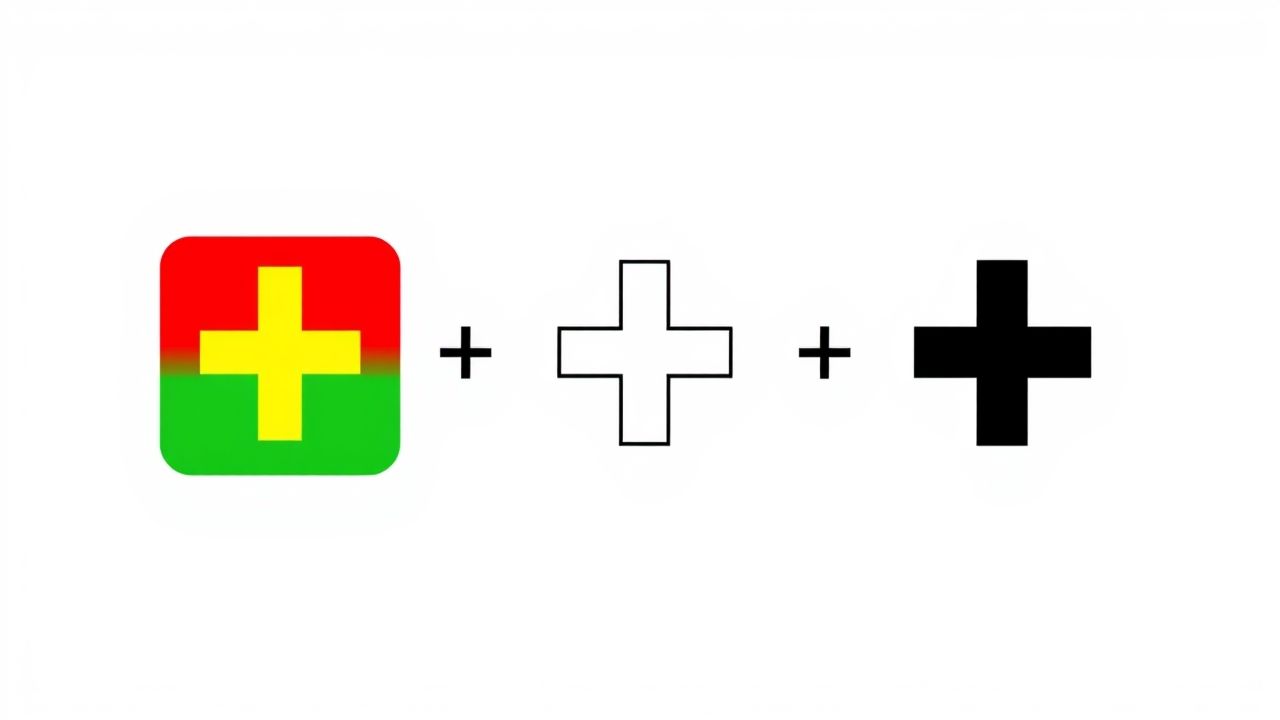
In emergency medicine, quick decision-making can be the difference between life and death. Colour coding of triage is a method used worldwide to prioritize patients based on the urgency of their condition. By using universally recognized colours, healthcare teams can rapidly communicate a patient’s priority level without relying solely on verbal explanations. This system is essential during mass casualty incidents, hospital emergency departments, and disaster response scenarios where resources are limited, and patient flow must be organized efficiently.
Understanding Triage and Its Purpose
Triage is the process of sorting patients according to the severity of their condition to ensure that those who need immediate attention receive it first. The term originated from military medicine but has become a standard practice in civilian healthcare. Colour coding enhances the efficiency of triage by providing a quick, visual indicator that can be understood even in noisy or chaotic environments.
Why Colour Coding is Important in Triage
In situations where many patients arrive at once such as during accidents, natural disasters, or pandemics healthcare workers cannot treat everyone simultaneously. Colour coding helps to
- Identify patients needing urgent intervention
- Organize patient flow to avoid delays
- Facilitate communication among medical teams
- Allocate resources effectively
The colours used are standardized in many countries, though slight variations can exist depending on local protocols.
Common Colour Codes in Triage
Most triage systems use four main colours, with some adding a fifth for special cases. Each colour corresponds to a specific priority level
Red – Immediate
The red tag is for patients with life-threatening conditions that can be treated successfully if addressed immediately. Examples include severe bleeding, airway obstruction, or major trauma. These patients require immediate surgery or advanced medical interventions to survive.
Yellow – Delayed
Yellow indicates serious injuries or illnesses that are not immediately life-threatening. These patients need hospital care soon, but treatment can be delayed for a short period without significantly affecting outcomes. Examples include fractures, moderate burns, or internal injuries without severe bleeding.
Green – Minor
Patients tagged green are considered walking wounded and have minor injuries that do not require urgent medical care. They can wait longer for treatment or even be directed to outpatient services. This category includes minor cuts, sprains, and mild respiratory infections.
Black – Deceased or Expectant
Black tags are assigned to patients who are either deceased or whose injuries are so severe that survival is unlikely even with treatment. In mass casualty situations, resources are often focused on those with a higher chance of survival, making this a difficult but necessary decision.
Additional Colours
Some systems include a blue or white tag for non-injured individuals or those requiring only psychological support. These patients may be unhurt physically but still require attention for mental health or situational stress.
Application of Colour Coding in Different Settings
While the principles are consistent, colour coding can be adapted for various environments
- Hospital Emergency DepartmentsUsed for rapid patient assessment during busy shifts or sudden influxes of patients.
- Disaster ResponseApplied in field hospitals, disaster zones, and humanitarian missions to organize large numbers of casualties.
- Military OperationsUsed to prioritize battlefield injuries for evacuation and treatment.
Triage Methods Supporting Colour Coding
Several triage methods integrate colour coding as a visual reference. Popular approaches include
- START (Simple Triage and Rapid Treatment) – Common in disaster response; assesses breathing, circulation, and mental status.
- SALT (Sort, Assess, Lifesaving Interventions, Treatment/Transport) – Offers more flexibility and integrates decision-making for large incidents.
- Emergency Severity Index (ESI) – Often used in hospitals; assigns levels of urgency alongside resource needs.
Factors Influencing Colour Assignment
Assigning the correct colour tag requires trained judgment. Factors include
- Vital signs such as heart rate, respiratory rate, and blood pressure
- Level of consciousness and neurological status
- Visible injuries and bleeding control
- Potential for deterioration if treatment is delayed
Healthcare providers must reassess patients regularly, as conditions can change rapidly, altering their priority level.
Limitations of Colour Coding in Triage
While colour coding is effective, it is not perfect. Limitations include
- Subjectivity in assessment, especially in borderline cases
- Variations in protocols between regions and organizations
- Potential for human error in chaotic environments
Continuous training and simulation exercises can help minimize these challenges and improve accuracy.
Psychological and Ethical Considerations
Assigning a black tag can be emotionally challenging for healthcare workers. Ethical dilemmas arise when resources are scarce, and some patients cannot be treated effectively. Triage training often includes psychological support strategies for medical personnel to cope with the stress of these decisions.
Global Variations in Colour Coding
Although the basic red, yellow, green, and black system is common, some countries use slightly different colour schemes or terminology. For example, certain regions may use orange or blue tags for specific categories, while others may adjust the criteria based on the type of emergency, such as chemical exposure or infectious disease outbreaks.
Training and Education for Effective Triage
Proper use of colour coding in triage requires structured training programs. These often include
- Classroom instruction on triage principles
- Practical drills with simulated patients
- Scenario-based exercises for disaster situations
Regular refresher courses ensure that healthcare teams remain competent and confident in applying triage under pressure.
Future Developments in Triage Systems
Technology is enhancing triage systems, with digital tagging, mobile apps, and electronic patient tracking. These tools can integrate colour coding into real-time databases, allowing hospitals and emergency services to coordinate more effectively. Such innovations may help reduce errors and improve patient outcomes in large-scale emergencies.
Colour coding of triage is a vital component of emergency medicine and disaster management. By providing a simple, visual method of prioritizing patients, it enables healthcare workers to act quickly and allocate resources where they are most needed. While the system is not without challenges, proper training, consistent reassessment, and adaptation to local needs ensure its continued effectiveness. As medical technology advances, colour-coded triage systems will likely become even more precise and integrated into digital healthcare solutions, further improving emergency response capabilities worldwide.