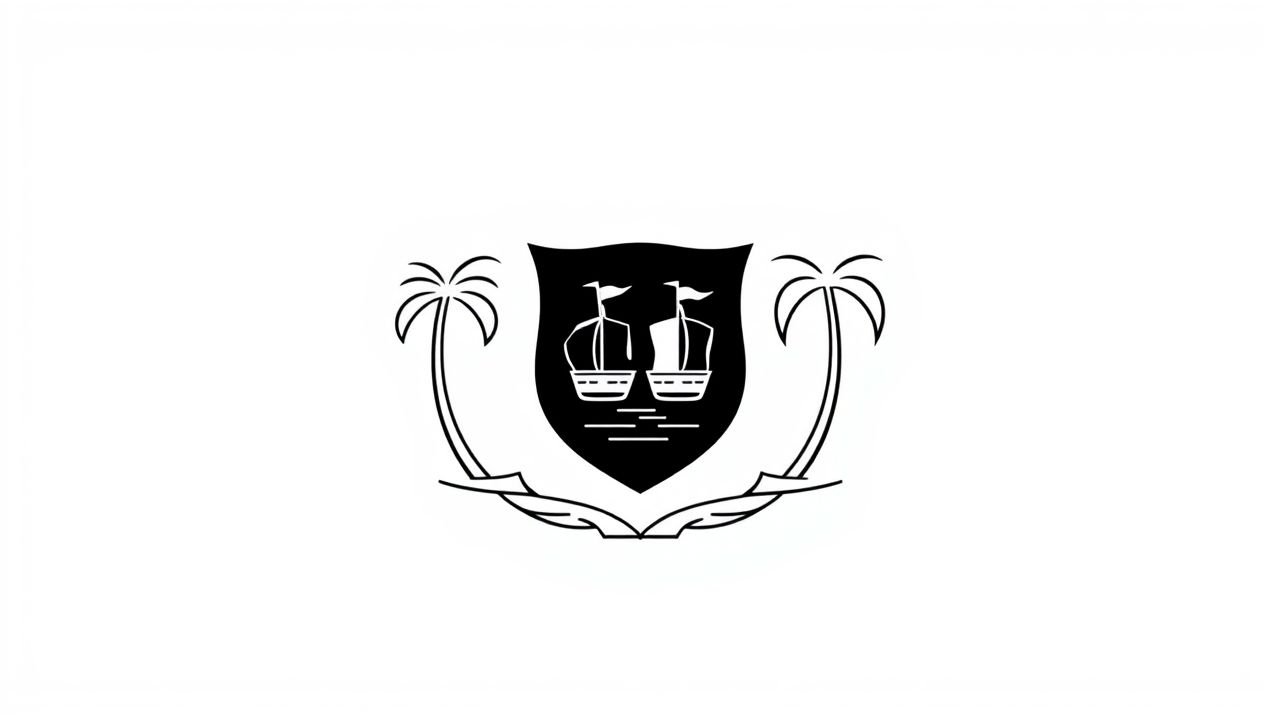
The Coat of Arms of Trinidad and Tobago is a richly symbolic national emblem that reflects the country’s diverse heritage, vibrant culture, and strong sense of identity. Adopted shortly before the nation gained independence in 1962, this emblem brings together elements that represent the islands’ history, environment, and the unity of its people. Each symbol, color, and shape carries a deeper meaning, carefully chosen to express national pride and the values that define Trinidad and Tobago.
Historical Background
The Coat of Arms of Trinidad and Tobago was officially granted on August 9, 1962, just before the country achieved independence from British colonial rule on August 31 of the same year. Designed by a committee led by artist Carlisle Chang and Carnival designer George Bailey, it replaced previous colonial symbols to mark the birth of a sovereign nation. The emblem aimed to integrate the cultural influences and natural features unique to Trinidad and Tobago.
Main Components of the Coat of Arms
Several distinctive elements form the Coat of Arms, each contributing to its visual balance and symbolic depth. These elements include the shield, the crest, the supporters, and the motto.
The Shield
The shield at the center of the Coat of Arms is divided into two main areas and features three key symbols
- Three ShipsAt the top of the shield, three gold ships sail against a black background. These represent the three ships Niña, Pinta, and Santa María used by Christopher Columbus on his first voyage to the New World in 1492, which included his sighting of Trinidad.
- HummingbirdA small hummingbird appears on the lower portion of the shield. Known as one of the smallest birds in the world, the hummingbird symbolizes vitality, resilience, and the unique wildlife of Trinidad and Tobago. The country is sometimes called The Land of the Hummingbird.
- Red, Black, and White ColorsThese colors are the same as those of the national flag and symbolize strength (black), purity (white), and the vitality of the people (red).
The Crest
Above the shield is a crest featuring a golden fruited coconut palm rising from a torse colored in red and white. The coconut palm is native to the region and represents growth, adaptability, and sustenance. It also serves as a reminder of the tropical environment and agricultural history of the islands.
The Supporters
Flanking the shield are two birds native to the twin-island nation
- The Scarlet IbisOn the left side stands the scarlet ibis, which is the national bird of Trinidad. Known for its brilliant red color, it inhabits the Caroni Swamp and is a prominent symbol of the country’s wildlife.
- The CocricoOn the right side is the cocrico, or Rufous-vented Chachalaca, the national bird of Tobago. This bird represents the distinct identity of Tobago within the union.
Each bird stands on a depiction of the islands Trinidad on the left and Tobago on the right. This arrangement emphasizes the unity between the two main islands while celebrating their unique traits.
The Motto
Beneath the entire composition is the national mottoTogether We Aspire, Together We Achieve.This phrase embodies the spirit of cooperation and shared ambition that drives the people of Trinidad and Tobago. It is a call to unity, collective effort, and national progress.
Symbolic Interpretation
The Coat of Arms of Trinidad and Tobago tells a layered story of heritage, resilience, and unity. It incorporates historical elements like the ships to acknowledge European exploration and the start of colonial history, but balances this with indigenous and natural symbols that honor the land and its people. The inclusion of two native birds from each island represents a deliberate effort to build a sense of equal partnership between Trinidad and Tobago.
Color symbolism also plays an important role
- Redstands for the energy of the people, the warmth of the sun, and the courage shown in nation-building.
- Blackrepresents the strength and determination of the population, as well as the wealth of the land.
- Whitereflects peace, purity, and the ocean that surrounds and connects the islands.
Usage and Display
The Coat of Arms is used in official documents, government buildings, passports, and national events. It is a crucial component of the presidential seal and appears on currency and stamps. Citizens view the emblem as a symbol of national pride and unity, often displayed alongside the flag during public celebrations like Independence Day and Republic Day.
When displayed, the Coat of Arms is treated with high respect, in line with national protocols. Its presence on legal and diplomatic papers signifies the authority of the state. In education and cultural programs, the meaning of the emblem is taught to foster national awareness and civic responsibility.
Evolution and Legacy
Although the Coat of Arms has remained unchanged since independence, its meaning continues to evolve with the identity of the nation. As Trinidad and Tobago navigates modernization, globalization, and social transformation, the emblem continues to represent shared values, diversity, and national solidarity.
Young citizens are increasingly engaged with the meaning of national symbols, including the Coat of Arms, as part of educational efforts to preserve cultural heritage. The emblem also plays a role in regional diplomacy and international representation, helping define the nation’s image abroad.
The Coat of Arms of Trinidad and Tobago is far more than a decorative seal. It is a visual narrative of a proud and vibrant nation, woven from threads of history, nature, culture, and aspiration. From the hummingbird’s delicate strength to the enduring message of the national motto, the emblem captures what it means to be part of this twin-island republic. It is a symbol that unites past, present, and future under a shared identity that continues to inspire the people of Trinidad and Tobago.