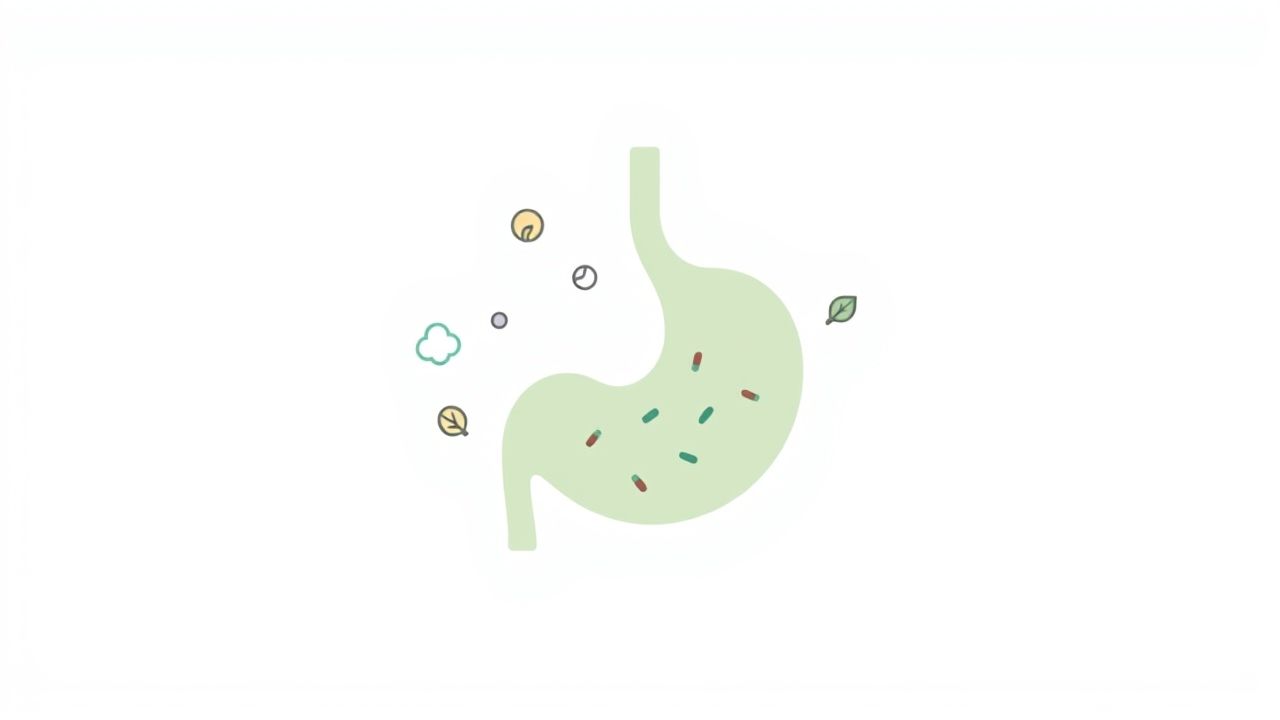
Passing gas is a normal part of digestion, but when it becomes more frequent or excessive, it can be uncomfortable and even embarrassing. Flatulence occurs when gas builds up in the digestive tract and is released through the rectum. While some amount of gas is natural, increased flatulence may be caused by dietary habits, medical conditions, or lifestyle factors. Understanding the causes of increased flatulence can help in making changes to reduce discomfort and improve digestive health.
Understanding Flatulence
Flatulence is the expulsion of intestinal gas, which is usually a mix of nitrogen, oxygen, carbon dioxide, hydrogen, and methane. Gas in the digestive system comes from two main sources swallowed air and the breakdown of undigested food by bacteria in the large intestine. When gas accumulates, it needs to be released, and this is where flatulence occurs. The amount and smell of flatulence depend on what we eat, how we eat, and the balance of gut bacteria.
Common Causes of Increased Flatulence
There are many reasons why someone may experience more frequent or intense flatulence. These causes can range from simple dietary changes to underlying health conditions that require medical attention.
Dietary Choices
The most common cause of increased flatulence is diet. Certain foods are known to produce more gas because they contain carbohydrates that the body struggles to digest fully. These undigested carbohydrates reach the large intestine, where gut bacteria break them down and produce gas.
- Beans and lentils
- Cruciferous vegetables like broccoli, cauliflower, and cabbage
- Whole grains such as wheat, oats, and barley
- Dairy products in lactose-intolerant individuals
- Fruits like apples, pears, and peaches
- Carbonated drinks
Swallowing Excess Air
Flatulence can also increase if you swallow more air than usual, a condition known as aerophagia. This can happen when you eat too quickly, chew gum, drink through a straw, or talk while eating. The swallowed air moves into the digestive system and is eventually expelled as gas.
Lactose Intolerance
People who lack enough lactase enzyme cannot properly digest lactose, the sugar found in milk and dairy products. The undigested lactose ferments in the colon, producing excess gas and sometimes causing bloating, cramps, and diarrhea.
Fructose Malabsorption
Fructose, a natural sugar found in fruits, honey, and some sweeteners, can cause increased flatulence in individuals who have difficulty absorbing it. This undigested fructose becomes a food source for gut bacteria, leading to fermentation and gas production.
High-Fiber Diet
Fiber is essential for good digestion, but increasing fiber intake too quickly can cause gas. Fiber-rich foods such as beans, lentils, and whole grains are particularly gas-producing when the body is not used to them.
Medical Conditions That Cause Increased Flatulence
Sometimes, frequent flatulence is a sign of an underlying medical condition. If dietary changes do not help, it’s worth investigating possible health issues.
Irritable Bowel Syndrome (IBS)
IBS is a functional gastrointestinal disorder that can cause bloating, abdominal discomfort, and excessive gas. The exact cause of IBS is unclear, but it may involve an overly sensitive digestive tract and altered gut motility.
Celiac Disease
This autoimmune disorder occurs when the body reacts to gluten, a protein found in wheat, barley, and rye. In people with celiac disease, gluten damages the small intestine, impairing nutrient absorption and often leading to gas and bloating.
Small Intestinal Bacterial Overgrowth (SIBO)
SIBO happens when excessive bacteria grow in the small intestine, leading to premature fermentation of food before it reaches the large intestine. This overgrowth can produce large amounts of gas, causing flatulence, bloating, and discomfort.
Gastrointestinal Infections
Infections from bacteria, viruses, or parasites can temporarily upset the balance of gut bacteria, leading to excess gas production. This is often accompanied by diarrhea, nausea, or abdominal pain.
Pancreatic Insufficiency
When the pancreas does not produce enough digestive enzymes, food may not be broken down properly, leading to fermentation in the gut and increased gas output.
Lifestyle Factors Contributing to Gas
Beyond diet and medical conditions, lifestyle habits can also play a role in the amount of gas produced and expelled.
Eating Habits
Rushed meals, eating on the go, and insufficient chewing can all contribute to swallowing air and producing more gas. Taking time to eat slowly and mindfully can help reduce this problem.
Stress and Anxiety
Stress can affect digestion by altering gut motility and increasing sensitivity to gas buildup. People under chronic stress may notice more frequent bloating and flatulence.
Lack of Physical Activity
Movement helps the digestive system process food more efficiently. Sedentary habits can slow down digestion, leading to increased fermentation and gas accumulation.
When to See a Doctor
While flatulence is usually harmless, persistent or severe symptoms should be evaluated by a healthcare professional. Seek medical advice if you experience
- Unexplained weight loss
- Severe abdominal pain
- Chronic diarrhea or constipation
- Blood in stool
- Signs of malnutrition
Reducing Increased Flatulence
Managing flatulence often starts with identifying and avoiding trigger foods. Keeping a food diary can help link specific foods to symptoms. Other strategies include
- Gradually increasing fiber intake to allow the gut to adapt
- Avoiding carbonated beverages
- Chewing food thoroughly
- Limiting high-fat meals that slow digestion
- Trying probiotics to improve gut flora balance
Elimination Diet
An elimination diet, guided by a healthcare provider, can help identify food intolerances. This involves removing suspected trigger foods and slowly reintroducing them to observe reactions.
The causes of increased flatulence are varied, ranging from simple dietary habits to more complex medical conditions. By understanding what contributes to excess gas, individuals can make informed choices to reduce discomfort. If lifestyle and diet changes are not effective, seeking professional evaluation ensures that underlying issues are addressed promptly. With the right approach, most cases of increased flatulence can be managed effectively, leading to better digestive comfort and overall well-being.